Is Iced Latte Good For Weight Loss?
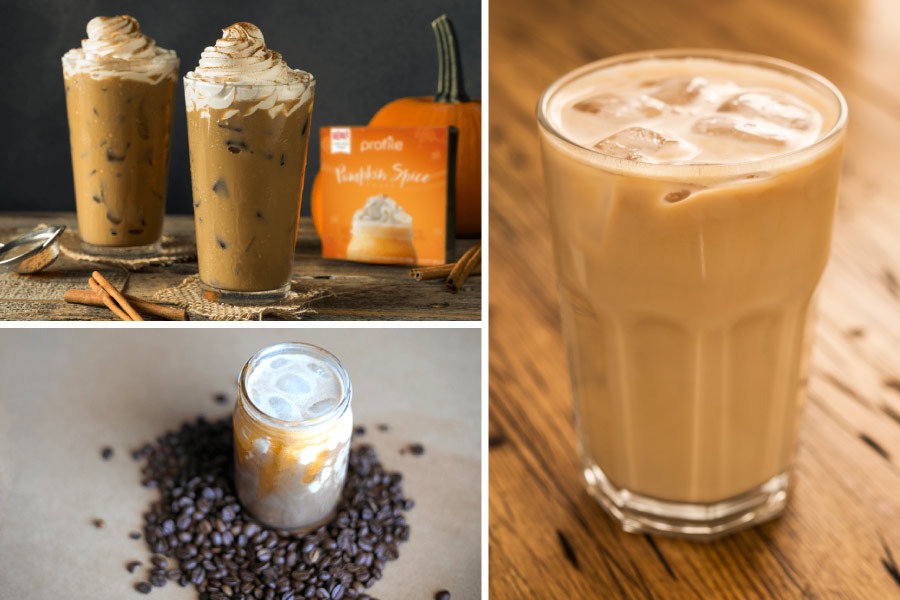
Can drinking an iced latte affect your weight loss journey? For many coffee enthusiasts, the thought of forgoing their beloved iced latte for health reasons might seem daunting. Interestingly, iced lattes, when consumed wisely, can actually fit into a weight-loss plan.
Iced lattes are primarily made up of coffee, milk, and ice. Coffee is a natural appetite suppressant and can increase metabolism, which historically has been considered beneficial for weight loss. However, the key lies in choosing low-fat milk and minimal sweeteners to keep the calorie count in check – a strategy supported by nutritionists aiming for effective weight management.
What is an Iced Latte?
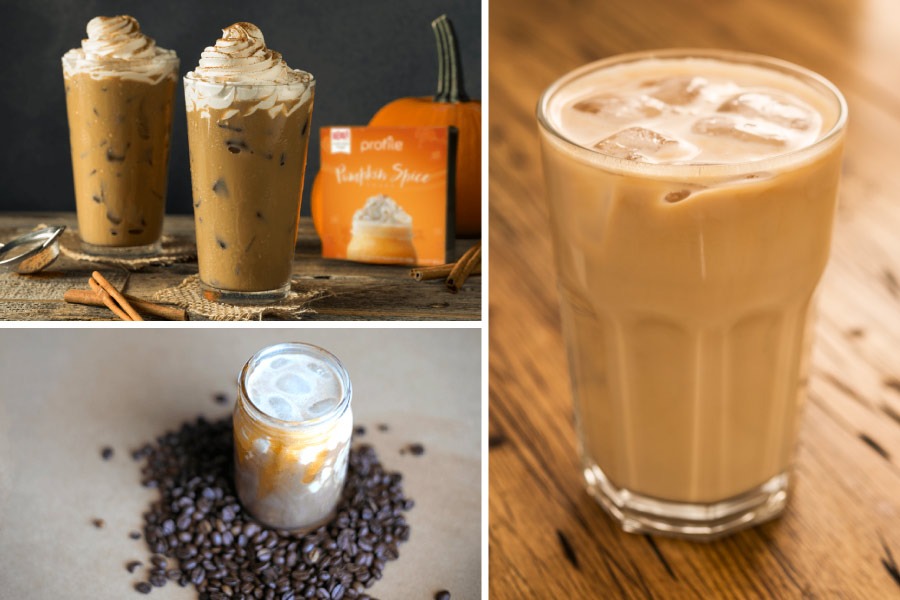
An iced latte is a popular coffee drink that combines espresso and chilled milk over ice. It’s often enjoyed during hot weather due to its refreshing nature. The basic ingredients are simple: espresso, milk, and ice.
There are different types of milk that can be used in an iced latte, from regular dairy to almond and soy milk. Each type of milk adds its own flavor and nutritional profile. This makes iced lattes versatile for various dietary preferences.
Many people enjoy adding sweeteners or flavorings to their iced lattes. Common additions include vanilla syrup, caramel, or even a sprinkle of cinnamon. However, adding too much can increase the caloric content.
Because of its customizable nature, an iced latte can be made to suit individual tastes. Whether you prefer it strong or milky, sweet or unsweetened, there’s an iced latte for everyone. This adaptability makes it a favorite among coffee lovers.
Benefits of Coffee in Weight Loss
Coffee is often praised for its role in weight loss. It can boost metabolism, helping the body burn more calories. This makes coffee a popular choice for those looking to shed pounds.
Metabolism Boost
Coffee contains caffeine, which is known to increase metabolic rate. A higher metabolism means your body can burn more calories even when resting. Simply put, an increased metabolic rate can aid weight loss.
Studies suggest that caffeine can increase metabolic rate by up to 11%. This is especially beneficial for short-term weight loss goals. However, the effect may diminish over time as your body gets used to caffeine.
To maintain these benefits, it’s important to consume coffee in moderation. Drinking too much can lead to tolerance, reducing its effectiveness. Balance is key when using coffee as a weight-loss tool.
Appetite Suppression
Caffeine is also known for its appetite-suppressing qualities. When you drink coffee, you might feel less hungry. This can help you eat fewer calories during the day.
By reducing your appetite, coffee can make it easier to stick to a healthy eating plan. However, this effect may vary from person to person. Some people might feel the appetite reduction more strongly than others.
- Helps curb mid-morning cravings
- Can reduce snacking
- Makes portion control easier
Improved Physical Performance
Caffeine can enhance physical performance by increasing adrenaline levels. This helps you push harder during exercise. As a result, you can burn more calories during workouts.
When consumed before a workout, coffee can improve endurance and strength. Athletes often use caffeine to gain a competitive edge. However, even non-athletes can benefit from its performance-enhancing effects.
Using coffee strategically can improve your exercise routine. Whether you're running, lifting weights, or doing yoga, coffee can help you get the most out of your workout. This can be a significant factor in your weight loss journey.
The Role of Milk in an Iced Latte
Milk plays a crucial role in giving an iced latte its creamy texture and smooth taste. The type of milk used can significantly impact the flavor and nutritional content. Common options include whole milk, skim milk, and plant-based alternatives.
Whole milk adds richness but also increases the calorie count. If you’re watching your weight, skim milk might be a better option. It provides a thinner texture but contains fewer calories and fat.
Plant-based milks like almond, soy, and oat are becoming more popular. Each has its own unique flavor and nutritional benefits. Almond milk is low in calories, while oat milk is creamy and great for frothing.
| Type of Milk | Calories per Cup |
|---|---|
| Whole Milk | 150 |
| Skim Milk | 80 |
| Almond Milk | 30 |
| Oat Milk | 120 |
Choosing the right type of milk can help you better align your iced latte with your dietary goals. Whether you prefer dairy or a plant-based option, there are choices for every preference. This variety makes it easier to enjoy an iced latte without compromising on calories.
Caloric Impact of Sweeteners in Iced Lattes
Sweeteners can significantly affect the calorie content of an iced latte. While they add flavor, they also add calories. Choosing the right sweetener can make a big difference.
Regular sugar is commonly used but is high in calories. A single tablespoon of sugar can add about 50 calories. This can quickly add up if you like your drink extra sweet.
| Sweetener | Calories per Tablespoon |
|---|---|
| Regular Sugar | 50 |
| Honey | 64 |
| Maple Syrup | 52 |
| Sugar Substitute (e.g., Stevia) | 0 |
Honey and maple syrup are natural alternatives but still high in calories. They might add a unique flavor but can also increase your intake. If you're watching your weight, these might not be the best choice.
Zero-calorie sweeteners like Stevia are an excellent alternative. They provide sweetness without additional calories. This allows you to enjoy your iced latte guilt-free.
Being mindful of the type and amount of sweetener used can help manage your calorie intake. By making smart choices, you can still indulge in a flavorful iced latte while supporting your dietary goals.
Can Iced Latte be Part of a Balanced Diet?
Yes, an iced latte can be part of a balanced diet if enjoyed in moderation. The key is to be mindful of the ingredients and their nutritional content. Avoiding excessive sugar and opting for low-fat milk can make a difference.
An iced latte can fit into a calorie-conscious plan with some adjustments. For instance, using skim milk instead of whole milk can save you calories. Also, opting for zero-calorie sweeteners like Stevia can help reduce the overall calorie content.
- Choose low-fat or plant-based milk
- Use zero-calorie sweeteners
- Avoid adding whipped cream
Enjoying an iced latte as part of a balanced breakfast can be beneficial. Pair it with healthy foods like whole grain toast or a fruit salad. This way, you get a wholesome meal without overloading on calories.
Remember to listen to your body and adjust your diet as needed. If you find that iced lattes fit well into your daily caloric intake, then they can certainly be a delightful part of your balanced diet. Always strive for balance and moderation.
Lastly, be aware of portion sizes. A tall iced latte will have fewer calories than a grande or venti. Choosing the smallest size available is a simple way to keep your intake in check while still savoring the flavors you love.
Healthy Iced Latte Recipes for Weight Loss
Creating healthy iced latte recipes can help you enjoy your favorite drink without compromising your weight loss goals. You can adapt the ingredients to fit a lower-calorie lifestyle. Here are some ideas to get you started.
For a basic low-calorie iced latte, use skim milk or almond milk. Prepare a shot of espresso and pour it over a glass of ice. Add your chosen milk and a zero-calorie sweetener like Stevia.
- Skim Milk Iced Latte
- Almond Milk Iced Latte
- Coconut Milk Iced Latte
| Ingredient | Function |
|---|---|
| Espresso Shot | Base coffee flavor |
| Ice Cubes | Chills the drink |
| Milk (Skim or Almond) | Provides creaminess with fewer calories |
| Stevia | Adds sweetness without calories |
Another delicious option is a vanilla almond milk iced latte. Mix a splash of vanilla extract with almond milk, then add to your espresso and ice. This creates a flavorful and low-calorie beverage.
If you prefer a latte with more texture, try an oat milk iced latte. Oat milk is naturally creamy and pairs well with coffee. It’s slightly higher in calories than almond milk but still a good choice for a healthy drink.
Experimenting with these recipes can help you find the perfect iced latte for your taste buds while supporting your weight loss journey. Being creative with ingredients can lead to discovering delightful and guilt-free options.
When to Consume Iced Lattes for Weight Loss
Timing can play a significant role in integrating iced lattes into your weight loss plan. Consuming them at appropriate times can maximize their benefits.
Morning is an ideal time for drinking an iced latte. The caffeine kick can boost your metabolism early in the day. This increased metabolic rate helps you burn more calories throughout the morning.
Having an iced latte before a workout can enhance performance. The caffeine provides an energy boost, allowing you to exercise harder and longer. This leads to burning more calories during your workout.
- Boosts morning metabolism
- Enhances workout performance
- Avoids late-day consumption
Avoid consuming iced lattes late in the afternoon or evening. Caffeine can disrupt sleep patterns if consumed too late in the day. Poor sleep can negatively affect weight loss efforts by increasing hunger hormones.
An iced latte as part of a balanced breakfast can set a positive tone for the day. Pair it with nutrient-rich foods like fruits and whole grains for a wholesome start. This combination provides energy and keeps you full longer.
By strategically timing your iced latte intake, you can enjoy this beverage while still supporting your weight loss goals. Good timing enhances both its enjoyment and effectiveness.
Alternatives to Iced Lattes for Weight Conscious
If you're looking to enjoy a flavorful coffee without the extra calories, there are several alternatives to iced lattes. These options can still satisfy your coffee cravings while being mindful of your weight loss goals. Many of these alternatives are both delicious and low in calories.
An Americano is a great choice for those watching their calorie intake. Made with just espresso and hot water, it has a bold coffee flavor without added milk or sugar. It's virtually calorie-free, making it an excellent option.
- Americano
- Cold Brew Coffee
- Black Iced Coffee
Cold brew coffee is another excellent alternative. It's smooth, naturally sweet, and typically consumed black or with a splash of low-fat milk. The slow brewing process results in a less acidic coffee that's easy on the stomach.
Black iced coffee is simple and effective for weight loss. Without milk or sweeteners, it's a zero-calorie beverage that still provides the caffeine boost. You can add a slice of lemon for a refreshing twist.
Green tea lattes made with low-fat milk or almond milk can also be a good option. Green tea contains antioxidants and has lower caffeine levels than coffee. This makes it a relaxing yet energizing drink that supports weight management.
These alternatives offer a variety of flavors and textures. By choosing low-calorie drinks, you can enjoy your coffee breaks without derailing your weight loss efforts. Diversifying your beverage options can make your dietary journey more enjoyable.
Frequently Asked Questions
If you are curious about iced lattes and their impact on health and weight, you're not alone. Here are some common questions answered to help you make informed decisions.
1. What is an iced latte?
An iced latte is a coffee drink made with espresso and cold milk, served over ice. It's a popular choice for a refreshing caffeine boost during warmer months.
You can customize it by choosing different types of milk and adding sweeteners or flavorings. This versatility makes the iced latte suitable for various dietary preferences and tastes.
2. How many calories are in an iced latte?
The number of calories in an iced latte depends on the type of milk and added sweeteners. A basic iced latte with skim milk generally has around 90-100 calories.
If you use whole milk or add syrups, the calorie count can be higher. Customizing your ingredients can help manage your calorie intake effectively.
3. Can I customize my iced latte to be healthier?
Yes, you can make your iced latte healthier by using low-fat or plant-based milks like almond or oat milk. Adding zero-calorie sweeteners like Stevia instead of sugar can also help reduce calories.
Avoiding high-calorie extras like whipped cream or flavored syrups further reduces unhealthy options. These small changes can significantly improve its nutritional profile.
4. Does drinking an iced latte affect energy levels?
Iced lattes contain caffeine, which stimulates the central nervous system, increasing alertness and energy levels temporarily. Drinking one in the morning may help you feel more awake and energetic for several hours.
However, consuming too much caffeine later in the day might interfere with sleep patterns. Balance your intake to get the energy boost without disrupting your rest cycle.
5. Are there any alternatives to avoid high-calorie ingredients in iced lattes?
You can opt for black coffee over ice, which has very few calories compared to an iced latte with milk and sweeteners. Cold brew coffee is another option that's naturally less acidic but still provides a similar flavor experience as an iced drink.
Add a bit of almond or skim milk if needed, keeping overall calorie content low while enjoying a rich taste variety.
Conclusion
Incorporating iced lattes into your diet can be both enjoyable and beneficial if done wisely. By choosing low-fat milk and minimizing sweeteners, you can keep the calorie count low. This allows you to enjoy your favorite beverage without derailing your weight loss goals.
Remember, balance and moderation are key. Enjoying an iced latte as part of a healthy, balanced diet can enhance your overall coffee experience. Use these tips and recipes to make iced lattes a guilt-free indulgence.
