Is Chapati Healthy For Weight Loss?
With the rising interest in healthier diets, leveraging traditional foods for weight loss is increasingly popular. Consider chapati, a staple in many South Asian diets. Can this ubiquitous flatbread actually help one shed pounds?
Chapati, made primarily from whole wheat flour, is rich in fiber, which aids in digestion and promotes satiety. Historically consumed for its wholesome ingredients, it has fewer calories compared to common bread variants. Moreover, a 2020 study found that incorporating whole grains like chapati can significantly enhance weight loss outcomes by reducing overall calorie intake.
Understanding Chapati: A Brief Overview
Chapati is a type of flatbread popular in South Asian cuisine. Made primarily from whole wheat flour, it is a staple in many households. It's often served with vegetables, lentils, or meats.
The preparation of chapati is quite simple. The dough is made by mixing whole wheat flour, water, and a pinch of salt. Then, it is rolled thin and cooked on a hot skillet.
Chapati is known for its soft texture and slightly nutty flavor. It’s an integral part of meals and is often enjoyed fresh off the skillet. Many people appreciate its versatility and ease of preparation.
Aside from its taste, chapati has several health benefits. It is rich in fiber, which aids digestion. Additionally, it is low in fat, making it a healthy choice for many.
The Nutritional Composition of Chapati
Chapati offers a wealth of nutrients crucial for a balanced diet. Its primary ingredient is whole wheat flour, which is packed with essential vitamins and minerals. The simplicity of its ingredients makes it a healthy choice.
Macronutrients in Chapati
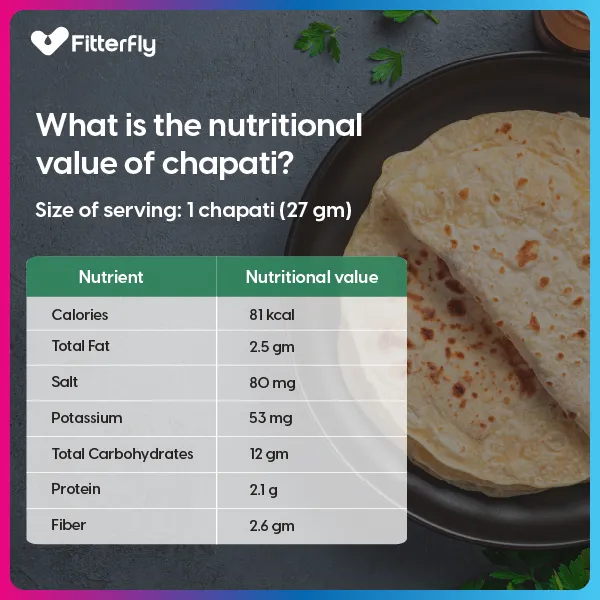
Chapati is rich in carbohydrates, providing a steady source of energy. It also contains a decent amount of protein, which is vital for muscle repair and growth. Moreover, it has low-fat content, making it a fit for calorie-conscious individuals.
One chapati provides approximately 70-100 calories. This makes it ideal for those looking to maintain or lose weight. Additionally, the carbohydrates in chapati are complex, leading to a gradual release of energy.
Protein in chapati aids in various bodily functions. It helps maintain muscle mass and supports immune health. Including chapati in your diet can contribute to a higher protein intake.
Micronutrients and Fiber
Chapati contains several important micronutrients. These include iron, magnesium, and vitamin B-6. These nutrients support various bodily functions, including oxygen transport and nerve function.
Iron in chapati helps in the formation of red blood cells. Magnesium supports muscle and nerve function. Vitamin B-6 is essential for brain health.
Chapati is also a good source of dietary fiber. Fiber aids digestion and helps maintain bowel health. A diet rich in fiber can prevent constipation and promote overall health.
Comparing Chapati with Other Breads
Compared to white bread, chapati offers more nutrients. White bread is often made from refined flour, which loses many of its nutrients. Chapati, made from whole wheat, retains its natural nutrients.
Below is a comparison of the nutritional values of chapati and white bread:
| Nutrient | Chapati | White Bread |
|---|---|---|
| Calories | 70-100 | 80 |
| Protein | 3g | 2g |
| Fiber | 2g | 0.6g |
As shown, chapati provides more fiber and protein than white bread. This makes it a more nutritious choice, especially for those focused on health.
Chapati and Weight Loss: The Connection
Chapati can be an effective part of a weight loss diet. One reason is that it is made from whole wheat, which is rich in fiber. Fiber helps you feel full for longer periods, reducing the urge to snack.
Another benefit is its low-calorie content. One chapati has about 70-100 calories, making it a great option for those trying to cut calories. This makes it easier to maintain a calorie deficit, which is essential for weight loss.
The complex carbohydrates in chapati also play a role. They digest slowly, providing steady energy without causing large spikes in blood sugar levels. This stability helps prevent sudden hunger pangs that can lead to overeating.
Chapati's simple ingredients are another plus. With no added sugars or excessive fats, it’s a straightforward and healthy food. Incorporating chapati into your meals can support your weight loss goals while keeping you nourished.
The Role of Whole Grains in Weight Loss
Whole grains are crucial for a balanced diet, especially when trying to lose weight. Unlike refined grains, whole grains retain their bran and germ, offering more nutrients. This makes them a healthier choice for anyone aiming to shed extra pounds.
Eating whole grains can help you feel fuller longer. The fiber content slows digestion, reducing hunger pangs. This means you're less likely to overeat.
Whole grains also stabilize blood sugar levels. By preventing spikes and crashes, they keep energy levels stable. This helps in maintaining a consistent eating pattern.
Common whole grains include oats, brown rice, and quinoa. Including these in your diet can diversify your meals and boost weight loss efforts. A varied diet is key to sustainable weight loss.
Here is a quick comparison of whole grains vs. refined grains:
| Nutrient | Whole Grains | Refined Grains |
|---|---|---|
| Fiber | High | Low |
| Vitamins | High | Low |
| Minerals | High | Low |
As seen in the table, whole grains offer more nutrients compared to refined grains. This makes them an optimal choice for weight loss diets.
Switching to whole grains can be simple. Replace white rice with brown rice or choose whole grain bread over white bread. These small changes can make a big difference.
Caloric Value: Chapati vs Other Breads
Chapati is often preferred for its low caloric content. One chapati contains around 70-100 calories, making it a great choice for weight watchers. Choosing low-calorie foods can help maintain a calorie deficit, essential for losing weight.
White bread, on the other hand, contains more calories. A single slice has approximately 80 calories, but it's less filling. This often leads to consuming more slices to feel satisfied.
Here is a comparison of the caloric values between chapati and other common breads:
| Bread Type | Calories (per slice/serving) |
|---|---|
| Chapati | 70-100 |
| White Bread | 80 |
| Whole Wheat Bread | 100-110 |
| Multigrain Bread | 110-120 |
As seen, chapati has fewer calories than most other types of bread. This can make a big difference in daily caloric intake. Swapping out higher-calorie breads for chapati can be a simple way to manage weight.
Additionally, chapati doesn't contain added sugars or preservatives. Many commercially available breads include these for taste and shelf life. This makes chapati a cleaner, healthier option.
For those watching their weight, replacing traditional breads with chapati could be beneficial. It’s low in calories yet filling, helping to keep hunger at bay. Making small diet adjustments like this can lead to significant health benefits over time.
Adding Chapati to Your Diet: Tips and Precautions
Incorporating chapati into your diet can be simple and beneficial. Start by replacing one of your daily bread servings with a chapati. This swap offers a healthier alternative without requiring major dietary changes.
To get the most out of chapati, pair it with nutrient-dense foods. Combine it with vegetables, lean proteins, and healthy fats. This helps create a balanced meal that supports weight loss and overall health.
While chapati is healthy, portion control is essential. Eating too many can add up in calories, hindering weight loss. Stick to one or two chapatis per meal to avoid overconsumption.
Be mindful of how you cook and store chapati. Using minimal oil or ghee keeps the calorie count low. Store any leftovers in an airtight container to maintain freshness and prevent spoilage.
Here are some common precautions to consider:
- Monitor portion sizes to avoid overeating.
- Use whole wheat flour to maximize health benefits.
- Limit the use of high-fat oils or spreads.
Remember that balance is key to a healthy diet. While chapati is nutritious, it's important to maintain variety. Mixing in different whole grains and food groups ensures you get a broad spectrum of nutrients.
Healthy Chapati Recipes for Weight Loss
Creating healthy chapati recipes can make weight loss more enjoyable. By using whole wheat flour and adding nutritious ingredients, you can boost their health benefits. Here are some ideas to get started.
A simple yet effective recipe is to mix spinach puree into the chapati dough. Spinach adds iron, fiber, and a variety of vitamins. This makes the chapati more nutritious without significantly altering the taste.
- Ingredients: 1 cup whole wheat flour, 1/2 cup spinach puree, salt to taste, water as needed.
- Instructions: Mix all ingredients to form a smooth dough. Roll into thin circles and cook on a hot skillet until lightly browned.
Another option is oats chapati, which includes ground oats in the dough. Oats are known for their high fiber content and slow energy release. This can help keep you full longer.
- Ingredients: 1/2 cup whole wheat flour, 1/2 cup ground oats, salt to taste, water as needed.
- Instructions: Combine the flour and oats with salt and water. Knead into a soft dough and roll out flat before cooking on a skillet.
You can also experiment with adding various seeds like chia or flaxseed to your chapati dough. These seeds add an extra layer of nutrients including omega-3 fatty acids. They also contribute a slight crunch for texture variation.
- Ingredients:: Whole wheat flour (1 cup), Chia/Flaxseeds (1 tablespoon), Salt to taste, Water as needed
- : Instructions: Mix thoroughly terms till Dough formed then rolled it carefully , follow cooking steps like ordinary method) .
Professional Opinion: Nutritionists on Chapati and Weight Loss
Nutritionists generally view chapati as a healthy option for weight loss. It's made from whole wheat flour, which offers more nutrients and fiber than refined flour. This makes chapati a better choice compared to other breads.
Many dietitians emphasize the importance of the fiber content in chapati. Fiber helps to improve digestion and prolongs the feeling of fullness. This can reduce the inclination to snack between meals.
Experts also point out the benefits of chapati's low glycemic index. Foods with low glycemic indexes cause slower changes in blood sugar levels. This stability in blood sugar can be great for managing weight.
Nutritionists advise watching portion sizes when eating chapati. While it's healthy, like any food, overconsumption can lead to increased calorie intake. They recommend pairing chapati with vegetables and lean proteins for a balanced meal.
Here is a summary of what nutritionists recommend:
- Choose whole wheat chapatis over refined flour ones.
- Control portions to avoid overeating.
- Pair with nutrient-dense sides like vegetables and lean proteins.
Consulting with a nutritionist can also be beneficial. They can tailor dietary advice to meet individual health goals. Personalized guidance can help optimize the benefits of including chapati in your diet.
Frequently Asked Questions
Chapati is a popular staple in many diets and has numerous health benefits. Here are some common questions and their answers about chapati's role in weight management and overall health.
1. What are the main ingredients in chapati?
Chapati is primarily made from whole wheat flour, water, and a pinch of salt. These simple ingredients make it a healthy choice for many different diets.
Whole wheat flour provides essential nutrients like fiber, vitamins, and minerals. Adding water creates a dough that is low in fat but rich in complex carbohydrates, important for sustained energy levels.
2. How does chapati compare nutritionally to white bread?
Chapati is generally more nutritious than white bread, offering higher fiber content and fewer processed ingredients. White bread often contains added sugars and preservatives.
A single serving of chapati typically has fewer calories than an equivalent amount of white bread, making it a smarter choice for those focused on nutrition and weight management.
3. Can chapati be included in a gluten-free diet?
No, traditional chapati made from whole wheat flour contains gluten. This makes it unsuitable for people with celiac disease or gluten intolerance.
However, there are gluten-free alternatives available that use flours such as rice or chickpea flour. These can offer similar taste and texture without the gluten content.
4. How should chapatis be stored to maintain freshness?
To keep chapatis fresh, store them in an airtight container at room temperature if planning to eat them within a day or two. For longer storage, you can refrigerate or freeze them.
If freezing, stack the cooked chapatis separated by parchment paper to prevent sticking. Reheat gently on a skillet before serving for best results.
5. Are there any potential downsides to eating chapatis regularly?
The main downside could be overconsumption leading to excess calorie intake. Even though they are healthier than many other bread types, moderation is key.
If someone has wheat allergies or gluten intolerance, traditional chapatis would not be suitable for them either. Exploring alternatives can help mitigate these issues while still enjoying this staple food.
Final Thoughts
Incorporating chapati into your diet can be a wise choice for weight management. Its high fiber content and low caloric value make it an excellent alternative to other breads. By pairing it with nutrient-dense foods, you can create balanced meals that support overall health.
While chapati offers many benefits, it's essential to consume it in moderation. Being mindful of portion sizes and combining it with a variety of food groups ensures a well-rounded diet. In short, chapati can be a nutritious addition to any weight loss plan.
