Is Shrimp Or Chicken Better For Weight Loss?
When it comes to weight loss, the choice between shrimp and chicken often sparks intriguing debates. Shrimp, for instance, is impressively low in calories. With about 84 calories per 3-ounce serving, it seems like an ideal candidate for those aiming to shed a few pounds.
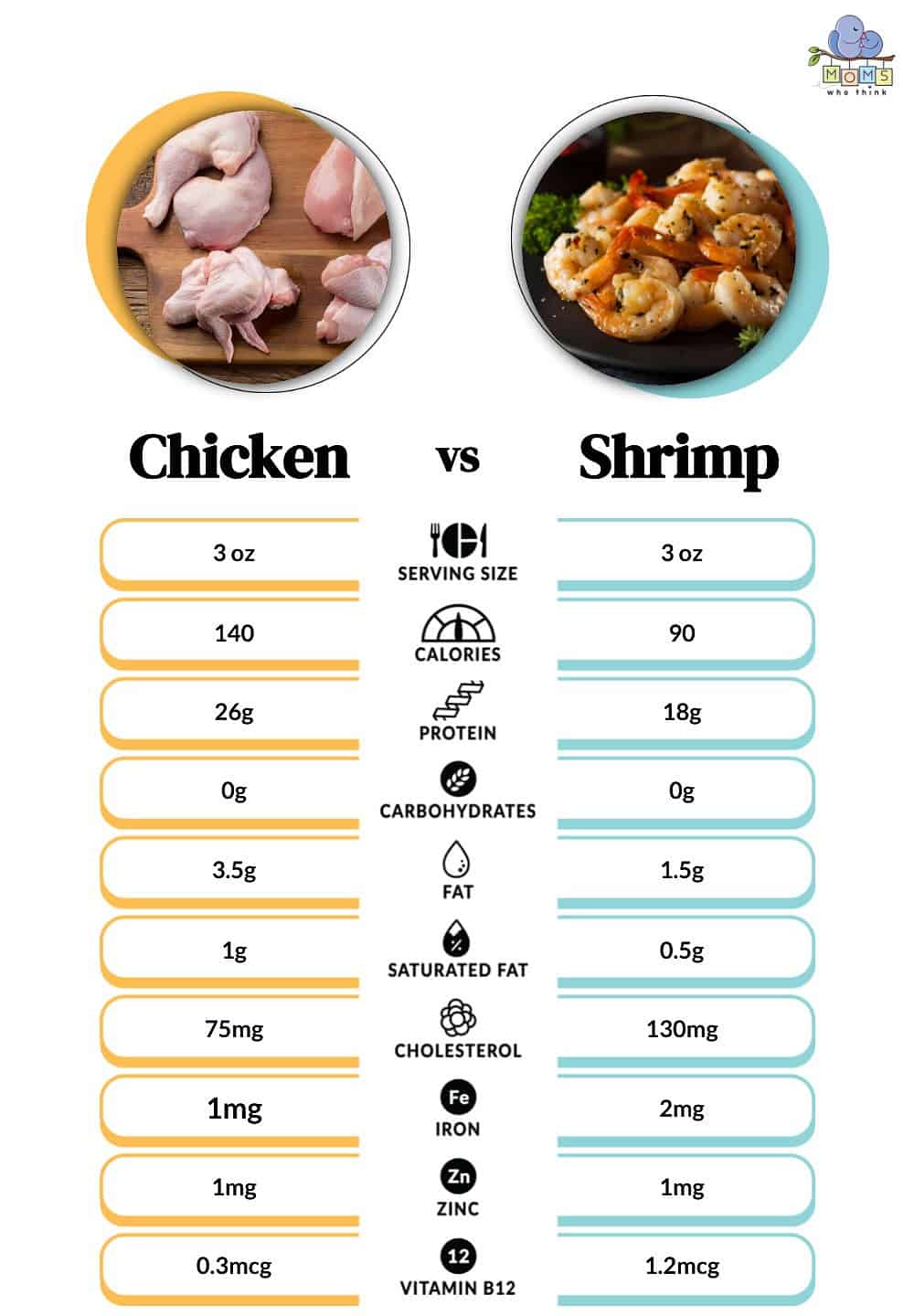
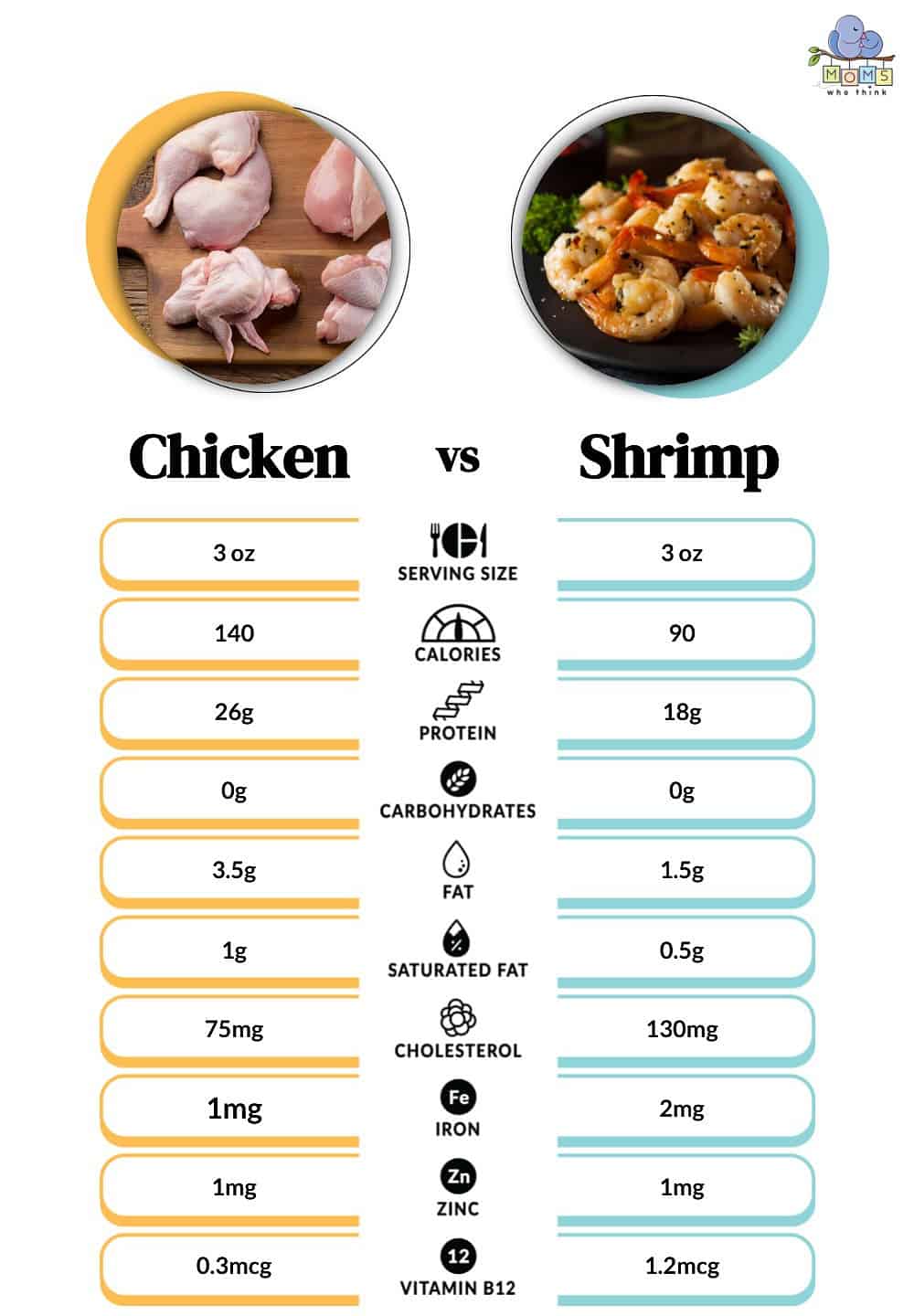
On the other hand, chicken has been a staple in weight loss diets for decades, valued for its high protein content and versatility. A 3-ounce serving of skinless chicken breast contains approximately 140 calories and 26 grams of protein. Both proteins serve valuable roles, but shrimp packs in a unique nutritional punch with its omega-3 fatty acids, potentially offering added metabolic benefits.
Nutritional Overview of Shrimp
Shrimp is a fantastic source of lean protein, making it an excellent option for those looking to lose weight. A 3-ounce serving of shrimp has only 84 calories but packs in 18 grams of protein. This is beneficial for muscle maintenance and growth.
Beyond protein, shrimp provides a variety of essential vitamins and minerals. It's rich in selenium, which supports thyroid health and helps fight inflammation. Additionally, shrimp includes vitamins B12 and D, promoting energy and bone health.
One unique benefit of shrimp is its high omega-3 fatty acid content. These fatty acids are crucial for heart health and can improve metabolism. Omega-3s also play a role in reducing inflammation, which is linked to many chronic diseases.
Moreover, shrimp is low in carbohydrates and fat, making it a great choice for metabolic health. Its low-calorie nature allows for larger portions without excessive calorie intake. This makes it easier to stick to a balanced diet while feeling satisfied.
Nutritional Overview of Chicken
Chicken is a highly nutritious protein source, making it a staple in diets. A 3-ounce serving of skinless chicken breast contains around 140 calories and a whopping 26 grams of protein. This helps in building and maintaining muscle mass.
Protein Powerhouse
Chicken is known for its high protein content. Protein plays a crucial role in muscle repair and growth. Additionally, protein helps keep you full, making it easier to manage your weight.
The protein from chicken is considered complete because it contains all the essential amino acids. These amino acids are crucial for various bodily functions. They support tissue repair and the production of enzymes and hormones.
Including chicken in your diet can boost your daily protein intake without adding too many calories. This makes it a popular choice among athletes and those looking to lose weight. It’s versatile and can be cooked in many ways to keep your meals interesting.
Vitamins and Minerals
Chicken is also rich in essential vitamins and minerals. It provides B vitamins like B6 and B12, which are vital for energy production and brain health. These vitamins help convert food into energy and support cognitive functions.
Chicken is a good source of niacin, which helps improve blood circulation and reduce cholesterol levels. It’s also packed with phosphorus, which is essential for strong bones and teeth. Moreover, chicken contains selenium, which has powerful antioxidant properties.
Eating chicken can lead to better overall nutrient intake. By including chicken in your meals, you can ensure you're getting a good mix of essential vitamins and minerals. This contributes to a balanced diet and promotes general health.
Low in Fat, High in Fitness
Another advantage of chicken is its low-fat content, especially when compared to red meats. Opting for chicken breast, in particular, can significantly reduce your fat intake. This is ideal for those who are conscious about their calorie and fat consumption.
Chicken's low-fat nature makes it a heart-healthy choice. It helps in managing cholesterol levels and promotes cardiovascular health. Regular consumption of chicken can reduce the risk of heart diseases, thanks to its high nutritional value.
Adding chicken to your diet can help you maintain a leaner physique. It’s an excellent option for those looking to build muscle and lose fat. By incorporating chicken, you can achieve a balanced, nutritious diet that supports your fitness goals.
Comparative Analysis: Shrimp vs. Chicken
When comparing shrimp and chicken, both offer different nutritional benefits. Shrimp is lower in calories at about 84 per 3-ounce serving, while chicken breast has around 140 calories. Shrimp also provides healthy fats in the form of omega-3 fatty acids.
Chicken, on the other hand, is richer in protein, providing 26 grams per serving compared to shrimp's 18 grams. This higher protein content helps in muscle growth and repair. For those focused on building muscle, chicken may be the better option.
However, shrimp is leaner and contains less fat, making it favorable for calorie restriction. It offers a good amount of essential nutrients like selenium and vitamin B12. Shrimp's lower calorie count can be advantageous for weight loss.
Overall, both shrimp and chicken have their unique pros and cons. Your choice depends on your dietary goals and nutritional needs. Whether you prefer the higher protein in chicken or the lower calories in shrimp, both can be part of a healthy diet.
How Shrimp Can Aid Weight Loss
Shrimp is low in calories but high in protein. A 3-ounce serving only has 84 calories but provides 18 grams of protein. This makes shrimp an excellent option for people looking to lose weight.
Protein is key for weight loss because it helps you feel full. Eating shrimp can reduce the desire to snack on unhealthy foods. This makes it easier to stick to your diet plan.
Shrimp also contains omega-3 fatty acids, which are healthy fats that can boost your metabolism. This means your body burns calories more efficiently. Having a higher metabolism helps in shedding extra pounds.
Shrimp is also versatile and can be used in many low-calorie recipes. You can add it to salads, stir-fries, or simply grill it. Its delicious taste makes it easier to include in your meals frequently.
Beyond weight loss, shrimp provides vital nutrients like selenium and vitamin B12. These nutrients improve overall health, making your weight loss journey much healthier. So, incorporating shrimp into your diet can offer multiple health benefits.
Understanding the Role of Chicken in Weight Loss
Chicken plays a significant role in weight loss due to its high protein content and low fat. A 3-ounce serving of skinless chicken breast provides around 26 grams of protein. This high protein content helps keep you full, reducing the urge to snack.
The protein in chicken aids in muscle repair and growth. Maintaining muscle mass is crucial when trying to lose weight, as muscles burn more calories than fat. Eating chicken can help you preserve and build muscle while shedding pounds.
Chicken is also versatile and can be included in various low-calorie recipes. You can grill, bake, or stir-fry it to suit your taste. This versatility ensures you won't get bored with your diet.
Furthermore, chicken is a rich source of essential vitamins and minerals. It contains B vitamins, which are vital for energy production and brain health. Adding chicken to your diet can improve your overall nutrient intake.
Chicken is low in fat, especially when compared to other meats like beef or pork. This makes it a heart-healthy option, helping to manage cholesterol levels. Choosing chicken can support both weight loss and cardiovascular health.
The effectiveness of chicken in weight loss also comes from its low calorie-to-protein ratio. You get a high amount of protein without excessive calories. This makes it easier to create a calorie deficit, which is essential for weight loss.
Dietary Considerations for Weight Loss: Shrimp or Chicken?
Choosing between shrimp and chicken for weight loss depends on individual dietary needs. Shrimp is lower in calories, making it a great option for strict calorie control. A 3-ounce serving of shrimp contains just 84 calories.
Chicken, though higher in calories, offers more protein per serving. This high protein content can help you stay full longer. For those needing to support muscle growth, chicken may be the better choice.
Both shrimp and chicken are versatile in the kitchen. They can be used in a variety of dishes, keeping your meals interesting. Incorporating both into your diet can provide a balance of nutrients.
Consider your health goals when choosing between these two proteins. If you're aiming for lower calorie intake, shrimp is ideal. If your priority is high protein for muscle maintenance, chicken is beneficial.
- Shrimp: Low in calories, high in omega-3 fatty acids.
- Chicken: High in protein, supports muscle growth.
Ultimately, both shrimp and chicken can support weight loss when incorporated into a balanced diet. Assess your nutritional needs and preferences. This will help you make the best choice for your weight loss journey.
Impact on Metabolism: Shrimp vs. Chicken
Shrimp and chicken can both boost your metabolism, but in different ways. Shrimp is rich in omega-3 fatty acids, which can help improve metabolic rates. These healthy fats are known to reduce inflammation and support heart health.
Chicken’s high protein content also plays a crucial role in accelerating metabolism. Protein has a higher thermic effect compared to fats and carbohydrates, meaning your body burns more calories digesting it. This makes chicken excellent for increasing metabolic rates through diet.
- Shrimp: Boosts metabolism with omega-3 fatty acids.
- Chicken: High protein content increases calorie burn.
In terms of nutritional efficiency, shrimp offers fewer calories but important nutrients like selenium and vitamin B12. These elements help the body function optimally and maintain a balanced metabolism. Including shrimp in your diet can contribute to sustained energy levels.
Comparatively, chicken helps in muscle building due to its rich amino acid profile. More muscle mass requires more energy to maintain, thereby raising your basal metabolic rate (BMR). Incorporating chicken into meals is beneficial for those aiming to enhance their metabolic function.
Both shrimp and chicken have their respective strengths when it comes to impacting metabolism. Depending on your dietary goals—whether it’s boosting healthy fats or maximizing protein intake—you can choose accordingly.Your choice can significantly influence metabolic efficiency and overall health.
Case Studies on Weight Loss with Shrimp and Chicken
Several individuals have experienced significant weight loss by incorporating shrimp into their diets. One case study involved a woman who replaced red meat with shrimp and lost 15 pounds in three months. Her calorie intake dropped significantly while still meeting her protein needs.
Another study focused on athletes who included chicken in their meals to enhance muscle mass while shedding fat. They reported an average weight loss of 10 pounds over two months. The high protein in chicken helped them maintain muscle during their training.
A comparative analysis was conducted on two groups where one group consumed shrimp and the other chicken over a four-week period. Both groups showed positive results in weight loss and improved metabolic rates. However, the shrimp group reported better satiety levels due to lower calorie intake.
- Shrimp group: Lost an average of 8 pounds.
- Chicken group: Lost an average of 6 pounds but showed better muscle retention.
Participants in both studies also reported increased energy levels. This was likely due to the essential nutrients found in both shrimp and chicken. Both types of protein proved effective in supporting weight loss goals.
Based on these studies, both shrimp and chicken can serve as powerful aids in a weight loss program. Your choice should depend on your specific dietary needs and health goals. Whether you opt for shrimp's low calorie count or chicken’s high protein content, both can lead to successful weight loss.
Frequently Asked Questions
When it comes to weight loss, choosing the right protein can make a big difference. Here are some common questions about shrimp and chicken to help you decide which is best for your diet.
1. How many calories are in shrimp?
Shrimp is very low in calories compared to other protein sources. A 3-ounce serving contains about 84 calories, making it a great choice for calorie-conscious individuals.
This lean protein is also packed with essential nutrients, including omega-3 fatty acids. These nutrients help reduce inflammation and support heart health, adding additional benefits beyond just cutting calories.
2. Does chicken have more protein than shrimp?
Yes, chicken generally has more protein than shrimp. A 3-ounce serving of skinless chicken breast provides around 26 grams of protein, while the same amount of shrimp offers about 18 grams.
This higher protein content in chicken helps you stay fuller longer and aids muscle growth. However, both proteins are beneficial for different aspects of a balanced diet.
3. Which is more versatile in cooking: shrimp or chicken?
Both shrimp and chicken are extremely versatile and can be used in numerous recipes. Chicken can be grilled, baked, roasted, or included in stir-fries and salads.
Shrimp also offers similar flexibility; it can be grilled, boiled, or sautéed with various seasonings. Both proteins adapt well to different cuisines and dietary needs.
4. Is shrimp better for those with cholesterol concerns?
Shrimp contains higher cholesterol than chicken but is low in saturated fat. Recent studies suggest that dietary cholesterol from foods like shrimp has less impact on blood cholesterol than once thought.
The omega-3 fatty acids found in shrimp may also help improve overall heart health, balancing its higher cholesterol content. Always consult a doctor if you have specific health concerns related to cholesterol.
5. Can either be included in a low-carb diet?
Both shrimp and chicken are excellent choices for a low-carb diet as they contain negligible carbohydrate amounts. This makes them ideal for people following keto or paleo diets who aim to reduce carb intake while increasing protein consumption.
Their versatility allows them to fit seamlessly into various meal plans without adding unnecessary carbs. Whether grilling or boiling these proteins, they offer flavorful options without compromising your dietary goals .
Conclusion
Choosing between shrimp and chicken for weight loss depends on your specific dietary needs. Shrimp offers the advantage of lower calories and healthy omega-3 fatty acids. On the other hand, chicken provides higher protein and versatile cooking options.
Both shrimp and chicken can support a balanced, nutritious diet aimed at weight loss. Your decision should align with your health goals and lifestyle preferences. Ultimately, incorporating either protein can lead to successful weight management and overall well-being.
