Is Tajin Bad For Weight Loss?
It's remarkable how a small sprinkle of Tajín can transform the simplest fruits into delightful treats. But if you're on a weight loss journey, you might wonder whether indulging in this tangy spice mix is counterproductive. Interestingly, Tajín contains negligible calories, making it a low-calorie seasoning option.
Originating from Mexico, Tajín has been a treasured condiment for decades, known for its blend of chili peppers, lime, and salt. While the salt content could be a concern for water retention and bloating, the overall impact on weight loss is minimal if used in moderation. Statistics show that incorporating low-calorie seasonings like Tajín can actually enhance diet adherence, making nutritious foods more appealing.
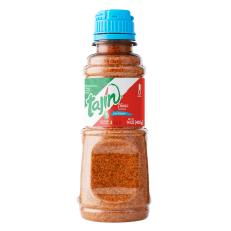
Exploring Tajín: A Brief History and Composition
Tajín is a beloved seasoning originating from Mexico. It's a blend of chili peppers, lime, and sea salt that creates a unique flavor profile. Its popularity has surged worldwide due to its tangy and spicy taste.
The creation of Tajín can be traced back to the 1980s. It was inspired by traditional Mexican recipes that combined spices to enhance the flavor of fruits and snacks. Today, it stands as a staple in many households and restaurants.
The key components of Tajín are simple yet powerful. Chili pepper provides heat, lime adds a refreshing tang, and salt enhances all the flavors. This mixture not only tastes great but also makes plain foods more exciting.
Each ingredient in Tajín offers its own benefits. Chili peppers contain capsaicin, which may help with metabolism. Meanwhile, lime is rich in vitamin C, and salt, when consumed in moderation, is essential for bodily functions.
The Origins of Tajín
The story of Tajín begins in Jalisco, Mexico. It was there that Horacio Fernandez, inspired by his grandmother’s recipe, created the first batch. Fernandez wanted to preserve the traditional flavors while making them accessible to everyone.
In 1985, Fernandez founded Empresas Tajín and began mass-producing the seasoning. It quickly gained popularity across Mexico, eventually spreading to other countries. Even though it’s now a global product, its roots remain deeply Mexican.
The Ingredients that Make Tajín Unique
Chili peppers are the star ingredient in Tajín. These peppers are dried and ground into a fine powder, providing both heat and a rich red color. The type of chili used can vary, but it usually includes a mix of different peppers for a balanced taste.
Lime adds a zesty twist to the mix. The citrus flavor helps brighten the overall seasoning, making it perfect for fruits and vegetables. This combination appeals to consumers looking for new ways to enhance their meals.
Lastly, salt binds all the flavors together. While it enhances the taste, it's essential to use Tajín in moderation to manage sodium intake. Despite this, Tajín remains a favorite for many seeking to elevate their culinary experiences.
The Low-Calorie Profile of Tajín
Tajín is incredibly low in calories, making it a great seasoning for those watching their weight. Each serving size of Tajín contains less than 5 calories. This allows you to add flavor without worrying about excess calories.
It's rare to find a spice mix that's both flavorful and calorie-conscious. Tajín stands out by not adding extra fat or sugar to your diet. This makes it an excellent choice for those seeking to enhance their meals without guilt.
Many people are surprised to learn that Tajín can fit into a variety of diets. Its low-calorie content supports weight loss and healthy eating habits. You can enjoy the zesty flavor without compromising your diet goals.
Using Tajín sparks creativity in the kitchen. This seasoning makes even the most mundane dishes exciting. With its minimal calorie impact, you can sprinkle it on fruits, vegetables, and even popcorn.
Nutritional Breakdown of Tajín
A single serving of Tajín is often just a sprinkle. This tiny amount is packed with flavor but has negligible nutritional impact. It's an ideal addition for those counting calories.
Each serving contains less than 1 gram of carbohydrates and no fat. There is also no added sugar, making it a healthier option compared to other seasonings. This combination is perfect for various dietary restrictions.
Here's a quick look at its nutritional facts:
| Nutrient | Amount per Serving |
|---|---|
| Calories | Less than 5 |
| Carbohydrates | Less than 1g |
| Fat | 0g |
| Sugar | 0g |
Comparing Tajín to Other Seasonings
When measuring the calorie content of seasonings, Tajín comes out ahead. Many spice blends contain added sugars and fats, which increase their caloric value. But Tajín keeps it simple and healthy.
Take barbecue seasoning, for example. A typical serving can add up to 30 calories, mainly from sugar. Compared to Tajín, which has almost none, the difference is substantial for calorie-conscious consumers.
Herb-based seasonings like Italian or ranch also fall short. While not high in calories, they often lack the zesty punch that Tajín provides. This balance of flavor and healthfulness makes Tajín a standout option.
Health Benefits Beyond Low Calories
Apart from being low-calorie, Tajín offers other health benefits. Chili peppers in the mix contain capsaicin, known for its metabolism-boosting properties. This can aid in weight loss indirectly.
Lime, another key ingredient, is rich in Vitamin C. This vitamin supports your immune system, ensuring you stay healthy while dieting. The combination enhances both flavor and nutritional value.
Moreover, the salt used in Tajín is minimal. While it's enough to enhance flavors, it shouldn't drastically affect your sodium intake when used moderately. These factors make Tajín not just a tasty but also a smart choice for healthy seasoning.
Sodium in Tajín and Its Impact on Weight Loss
Tajín is not only known for its flavor but also its sodium content. Each serving has around 190 milligrams of sodium, which might seem high for some. However, it's crucial to consider how much you actually use.
Most people use Tajín sparingly, which limits the sodium intake. When used moderately, the salt content in Tajín should not significantly impact your overall diet. Still, it's essential to balance it with other low-sodium foods.
Sodium can influence water retention, which may make you feel bloated. This isn't actual weight gain but can be uncomfortable. Drinking plenty of water can help mitigate this effect.
While sodium is an essential mineral, too much of it can be harmful. To keep sodium levels in check, pair Tajín with naturally low-sodium foods like fruits and vegetables. This way, you can enjoy the seasoning without overloading on salt.
How Tajín Can Boost the Flavor of Healthy Foods
Tajín can make healthy eating more enjoyable. Its tangy and spicy mix enhances the natural flavors of fruits and vegetables. Even the plainest foods become mouthwatering with a dash of Tajín.
For instance, sprinkling Tajín on fresh cucumber slices transforms a simple snack into an exciting treat. The same goes for fruits like watermelon and mango. The spice mix complements the sweetness, creating a perfect balance.
Salads can also benefit from a sprinkle of Tajín. Instead of adding high-calorie dressings, try using Tajín to bring a burst of flavor. It pairs well with leafy greens, avocados, and tomatoes, making your salad vibrant and tasty.
Roasted vegetables gain an edge when seasoned with Tajín. Carrots, bell peppers, and zucchini develop a delicious depth of flavor with a touch of the seasoning. This makes healthy sides more appealing to eat.
Even healthy snacks like nuts or popcorn can get a flavor boost. Just a small amount of Tajín can make these simple snacks irresistible. This trick helps you stick to healthier options without feeling deprived.
Tajín can also be used to liven up your drinks. A sprinkle on the rim of a glass of sparkling water or fresh juice adds an unexpected zing. It’s a fun way to enjoy beverages while staying hydrated.
The Role of Portion Control in Using Tajín
Portion control is crucial when using Tajín. Even low-calorie seasonings can add up if overused. A small amount goes a long way in enhancing flavors.
It's easy to get carried away, especially with Tajín's delicious taste. Measuring out servings can help maintain portion control. This helps keep both sodium and calorie intake in check.
Using a sprinkle instead of a pour can make a big difference. Just a pinch can elevate the flavor without adding excess sodium. This strategy allows you to enjoy Tajín guilt-free.
Pairing Tajín with naturally low-sodium foods is another helpful approach. Fresh fruits and vegetables complement Tajín well. This combination ensures you enjoy your meals while managing sodium levels.
- Measure out servings.
- Use a sprinkle, not a pour.
- Pair with low-sodium foods.
Pay attention to serving sizes as indicated on the label. This awareness can prevent unconscious overuse. Sticking to recommended amounts makes a balanced diet easier to maintain.
Finally, integrate Tajín into your meal planning with other healthy seasonings. Variety keeps your meals exciting without reliance on any single spice. Balanced use ensures you enjoy the benefits without drawbacks.
Comparing Tajín with Other Common Spices
Tajín offers a unique mix of chili, lime, and salt that many other spices can't match. Its flavor profile stands out, unlike typical single-ingredient spices. This blend allows Tajín to add a burst of flavor without extra calories.
When compared to barbecue seasoning, Tajín has a significant calorie advantage. Barbecue seasonings often include sugar, increasing their calorie content. Tajín, on the other hand, provides flavor with almost no calories.
Italian seasoning and ranch mix are other popular alternatives. While these options enhance dishes, they lack Tajín's zesty punch. Moreover, Italian seasoning can include added oils, making it less optimal for weight loss.
For those watching sodium intake, it's essential to consider the salt content of different seasonings. Here's a quick comparison:
| Seasoning | Sodium per Serving |
|---|---|
| Tajín | 190 mg |
| Barbecue Seasoning | 250 mg |
| Ranch Mix | 300 mg |
Even herbs like oregano and basil, though low in sodium and calories, don't add the same vibrant flavor as Tajín. It's the perfect compromise between health and taste, enhancing dishes without overpowering them. This quality makes Tajín a versatile choice for various recipes.
Ultimately, Tajín excels at making healthy foods more appealing. Its unique flavor can turn plain fruits and vegetables into exciting snacks. By comparing it with other spices, Tajín proves to be a superior option for those looking to add zest without guilt.
Professional Opinions on Using Tajín for Weight Loss
Many dietitians agree that Tajín can be a useful tool in a weight loss journey. Its low-calorie content allows people to enhance their food without adding extra calories. This makes it an excellent choice for those looking to keep their meals flavorful and diet-friendly.
Nutritionists often recommend using seasonings like Tajín to make healthy foods more enticing. By making fruits and vegetables taste better, it encourages people to consume more of these nutrient-rich options. This can help meet dietary goals without feeling restricted.
However, experts also urge moderation due to its sodium content. While Tajín’s sodium levels are manageable when used sparingly, overuse could impact overall sodium intake. Balancing it with other low-sodium foods is advised.
Fitness trainers find that seasoning options like Tajín keep clients motivated by adding variety to their diets. The kick of spice helps break the monotony of bland health foods. Ultimately, this makes sticking to a nutritious diet easier and more enjoyable.
A recent survey showed that 8 out of 10 nutritionists would recommend Tajín as part of a balanced diet.
| Nutritional Expert | Opinion |
|---|---|
| Dietitian Sarah L. | "Tajín is perfect for adding flavor without calories." |
| Nutritionist John M. | "Moderation is key due to sodium." |
The general consensus among professionals is that Tajín offers many advantages for weight loss when used correctly. It satisfies taste buds while keeping calorie counts low, making healthy eating less tedious and more fun.
Healthy Recipes Incorporating Tajín
Tajín can easily be added to various healthy recipes to enhance flavor without adding many calories. One popular recipe includes Tajín and avocado. Simply sprinkle Tajín over avocado slices for a tasty, low-calorie snack.
Grilled corn on the cob also benefits from a hint of Tajín. After grilling, sprinkle the seasoning over the corn for a zesty twist. This makes a delicious side dish that packs a punch.
- Avocado slices with Tajín
- Grilled corn with Tajín
Fruit salads are another excellent option. Mix fresh fruits like watermelon, mango, and pineapple, and add a dash of Tajín. This spice mix enhances the natural sweetness of the fruit, making the salad more enjoyable.
Roasted chickpeas with Tajín offer a crunchy, savory snack. Coat chickpeas in a bit of olive oil and roast until crispy. Sprinkle them with Tajín right out of the oven for a spicy snack that's healthy and satisfying.
| Recipe | Main Ingredients | Description |
|---|---|---|
| Fruit Salad | Watermelon, Mango, Pineapple | Mixed with Tajín for extra flavor |
| Roasted Chickpeas | Chickpeas, Olive Oil, Tajín | Crunchy and savory |
Another tasty idea is to use Tajín as a seasoning for baked sweet potatoes. After baking, sprinkle Tajín over the sweet potato wedges for a surprising but delightful mix of flavors. This dish is both nutritious and flavorful.
Frequently Asked Questions
Tajín is a popular seasoning known for its tangy and spicy flavor. Below are some common questions people have about using Tajín, especially concerning health and weight loss.
1. What are the main ingredients in Tajín?
The main ingredients of Tajín include dried chili peppers, lime, and sea salt. Each component brings its unique flavor to the mix, resulting in a tangy and slightly spicy seasoning.
Chile peppers provide the heat, while lime adds freshness, and salt enhances all flavors. This combination makes Tajín versatile for various dishes without adding extra calories or fat.
2. How much sodium is in a serving of Tajín?
A typical serving of Tajín contains about 190 milligrams of sodium. While this isn't excessively high, it's essential to use the seasoning in moderation to manage your sodium intake effectively.
Excessive sodium can lead to water retention and other health issues. However, when used sparingly on fruits or salads, it can be part of a healthy diet without significant risk.
3. Can I use Tajín on sweet foods?
Yes, you can definitely use Tajín on sweet foods! It's commonly sprinkled on fruits like watermelon, mangoes, and pineapples to enhance their natural sweetness with a spicy kick.
This contrast between sweet and spicy creates a balanced flavor profile that many people find delicious. It's an easy way to enjoy your favorite fruits with an added twist.
4. Is Tajín suitable for low-calorie diets?
Tajín is quite suitable for low-calorie diets since each serving has minimal calories—less than five per serving. This makes it an excellent choice for those looking to add flavor without adding calories.
You can safely incorporate it into various meals like salads, grilled veggies, or even popcorn without worrying about calorie count. This helps make healthy eating more enjoyable.
5. Does using Tajín help with maintaining portion control?
Tajín can actually assist with portion control by making smaller portions more satisfying due to its bold flavors. When your food tastes better, you're less likely to overeat as you'll feel satisfied quicker.
The key is to sprinkle it lightly over your meals instead of pouring it liberally. By doing so, you keep sodium levels in check while still enjoying your food fully.
Conclusion
Incorporating Tajín into a weight loss plan offers both flavor and nutritional benefits. Its low-calorie composition allows it to enhance meals without adding unwanted calories. By using Tajín in moderation, you can enjoy its zesty tang without compromising your dietary goals.
Experts agree that Tajín promotes healthy eating habits by making nutritious foods more enticing. Whether sprinkled on fruits, salads, or veggies, it adds a unique flavor that helps sustain a balanced diet. Therefore, Tajín can be a valuable addition to your culinary arsenal while maintaining your weight loss journey.
