Is Bottled Lemon Juice Good For Weight Loss?
Could a simple bottle of lemon juice hold the key to effective weight loss? Lemon juice has long been hailed for its potential health benefits, but its bottled counterpart has generated debate among nutritionists. The concentrated acidity and convenience might appeal, but does it truly stack up in promoting weight loss?
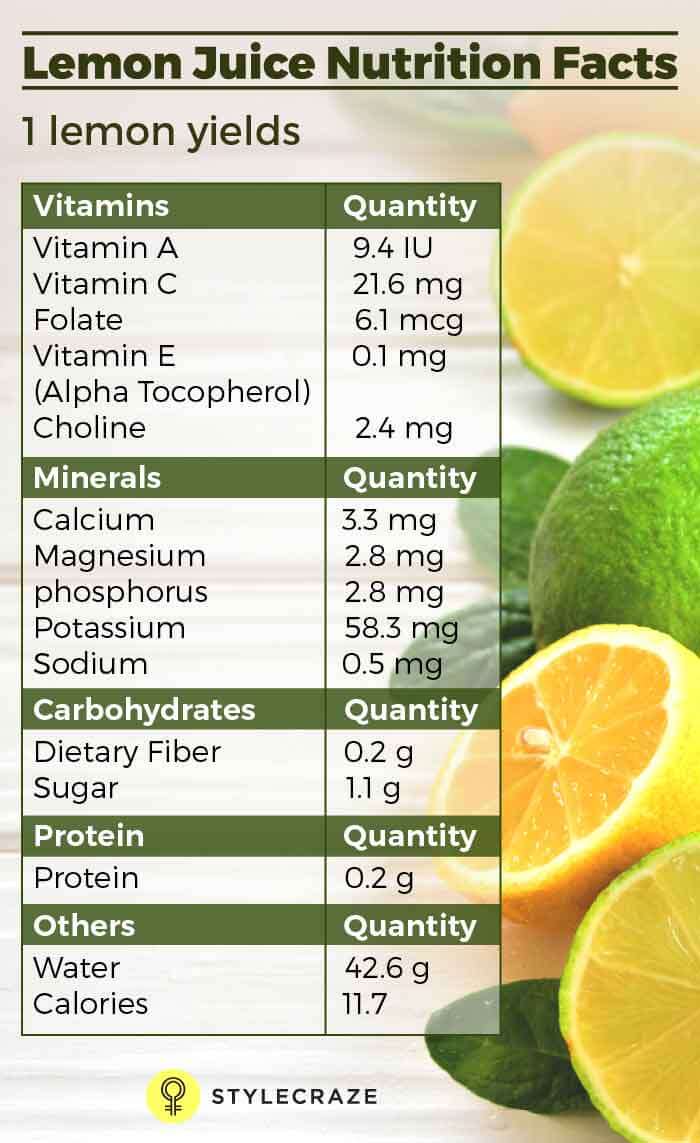
Bottled lemon juice retains most of the vitamins and minerals found in fresh lemons, although it may lack certain enzymes. It's often cited in dieting circles due to its low calorie content and metabolism-boosting properties - approximately 5-8 calories per tablespoon. The real question for experts is whether these benefits outweigh the preservatives sometimes added to extend shelf life.
The Nutritional Profile of Bottled Lemon Juice
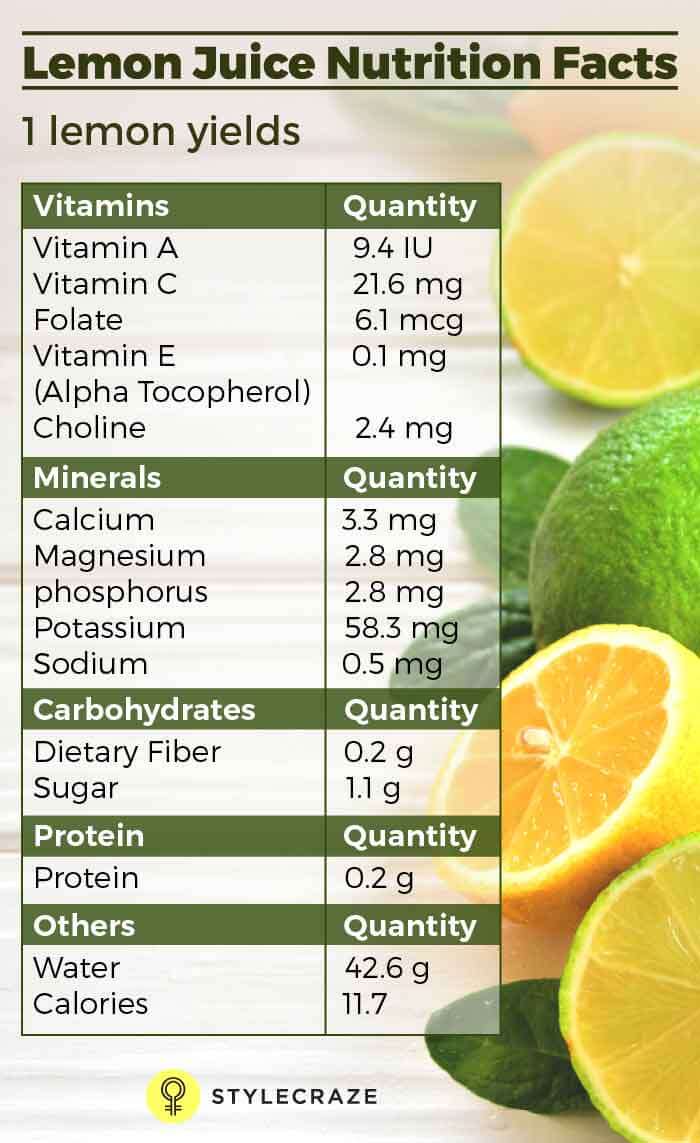
Bottled lemon juice contains a variety of important nutrients. One tablespoon of bottled lemon juice provides around 5-8 calories, which is relatively low. This makes it a good option for those watching their calorie intake.
Vitamins are a key highlight, especially vitamin C, which supports immune function and skin health. Even though bottled lemon juice may lack some fresh enzymes, it still offers essential minerals like potassium. Potassium is important for maintaining healthy blood pressure levels.
However, bottled lemon juice sometimes includes preservatives and additives. These might affect the overall nutritional profile but primarily aim to extend shelf life. It's crucial to read the labels to understand what you're consuming.
Considering dietary fiber, bottled lemon juice doesn't contribute much. Most of the fiber is lost during the juicing process. But, the juice can still serve as a flavorful addition to your meals and beverages without adding many calories.
Impact of Bottled Lemon Juice on Metabolism
Bottled lemon juice might boost your metabolism due to its unique properties. The acidity in lemon juice can increase stomach acid production, aiding digestion. Better digestion can lead to a more efficient metabolism.
Promotion of Fat Burn
Bottled lemon juice contains polyphenols, which are compounds that may help in fat burning. These polyphenols can potentially enhance insulin sensitivity, making your body more efficient at using fat as energy. Some studies suggest that incorporating lemon juice could help reduce overall body fat.
Moreover, the vitamin C in lemon juice plays a vital role in metabolism. It's essential for synthesizing carnitine, a molecule that helps the body burn fat for energy. Higher vitamin C levels correlate with a more efficient metabolism.
Detoxification and Metabolic Rate
Drinking bottled lemon juice can support detoxification processes in the liver. Improved liver function can naturally boost metabolism, aiding in weight management. The citric acid in lemon juice helps flush out toxins from the body.
Additionally, lemon juice encourages healthy enzyme function. This can lead to better nutrient absorption and a healthier metabolic rate. The natural detoxifying properties of lemon juice make it a popular choice in many weight loss diets.
Combating Metabolic Slowdown
Stress and lack of sleep can slow down metabolism, but bottled lemon juice may help combat this. The antioxidants in lemon juice can offset oxidative stress, fostering a healthier metabolic rate. Improved oxidative balance contributes to overall metabolic efficiency.
Lastly, bottled lemon juice's low-calorie content helps in avoiding empty calories, thus keeping metabolism active. Hydrated individuals also tend to have more efficient metabolic rates. Therefore, adding lemon juice to your water can be a simple step to support metabolism.
Role of Bottled Lemon Juice in Caloric Intake
Bottled lemon juice is an excellent option for those looking to manage their caloric intake. With only about 5-8 calories per tablespoon, it provides a flavorful way to enhance meals without adding many calories. This makes it a popular choice in various weight loss diets.
Substituting high-calorie beverages with lemon juice can significantly reduce daily calorie consumption. For instance, replacing a sugary soda with lemon water can save numerous calories. This simple swap can contribute to weight loss over time.
Bottled lemon juice is also free from fat and almost free from carbohydrates, which is beneficial for calorie-conscious individuals. This low-calorie profile does not spike blood sugar levels. Thus, it’s a friendly option for those managing diabetes or insulin resistance.
Using bottled lemon juice as a salad dressing or a condiment can also help limit caloric intake. Many store-bought dressings are high in calories. Swapping them out for lemon juice can help you enjoy tasty meals while maintaining a lower calorie count.
Hydration and Weight Loss: How Bottled Lemon Juice Fits In
Staying hydrated is crucial for effective weight loss. Water helps to keep your metabolism running efficiently. Adding bottled lemon juice to your water can make it more flavorful, encouraging greater water intake.
Drinking lemon water can also help curb appetite, making it easier to consume fewer calories. Sometimes the body can mistake thirst for hunger. By drinking lemon-infused water, you can avoid unnecessary snacking.
Lemon juice contains a small amount of pectin fiber, which can make you feel fuller for longer. This can be beneficial in a weight loss journey, as it reduces the temptation to overeat. Even a slight increase in fiber can make a difference.
Additionally, lemon water serves as a natural detox drink. It helps flush out toxins, keeping your organs running smoothly. This detoxification process can also assist in improving digestion and nutrient absorption.
Replacing sugary drinks with lemon water can lead to significant calorie savings. For instance, swapping out a soda for lemon water can save over 100 calories per serving. These small changes add up over time, contributing to weight loss success.
Finally, the vitamin C in lemon juice supports the body's ability to burn fat. It plays a role in the production of carnitine, an amino acid crucial for converting fat into energy. Thus, lemon water not only keeps you hydrated but also aids in fat burning.
Evidence-based Analysis of Bottled Lemon Juice for Weight Loss
Several studies have examined the potential of lemon juice for weight loss. Research suggests that the polyphenols in lemon juice may help reduce body weight. A study on mice showed that lemon polyphenols suppressed weight gain and fat accumulation.
Moreover, a human study found that drinking lemon water could improve hydration and reduce appetite. This indirectly supports weight loss by helping people consume fewer calories. The low-calorie nature of lemon juice further adds to its weight loss benefits.
Vitamin C, abundant in bottled lemon juice, also has a role in weight management. Studies show that adequate vitamin C levels help the body oxidize more fat during exercise. Those with higher vitamin C intake have demonstrated lower body fat percentages.
Experts also note that lemon juice can aid digestion, which is crucial for weight control. Good digestion leads to better nutrient absorption and more efficient metabolism. Improved digestion can therefore support long-term weight loss goals.
Additionally, lemon juice's detoxifying properties can enhance the weight loss process. By flushing out toxins, it enables the body to function optimally. This comprehensive benefit adds value to lemon juice as a dietary aid.
However, it’s important to look for bottled lemon juice without added sugars or preservatives. Added sugars can negate the calorie-cutting benefits. Always check the labels to ensure you're choosing the healthiest option available.
Preservatives in Bottled Lemon Juice: A Double-edged Sword?
Preservatives in bottled lemon juice extend its shelf life, making it convenient. However, these preservatives can also have drawbacks. Some common preservatives include sodium benzoate and potassium metabisulfite.
On one hand, preservatives prevent bacterial growth. This ensures that the juice stays safe to consume for a longer period. Without preservatives, bottled lemon juice would spoil quickly.
On the other hand, some preservatives can have potential health risks. For example, sodium benzoate has been linked to hyperactivity in children. Long-term consumption of such additives may pose health concerns.
Moreover, preservatives can sometimes alter the natural taste of lemon juice. This may impact the overall quality and flavor. Consumers may prefer fresh lemon juice for its pure and authentic taste.
Given these pros and cons, it's essential to make an informed choice. Reading the labels can help you avoid unwanted additives. If possible, opting for organic bottled lemon juice may be a healthier option.
Ultimately, weighing the convenience against potential risks is crucial. Bottled lemon juice with preservatives offers ease of use but should be consumed in moderation. Awareness and mindful consumption can balance the scales.
Practical Ways to Include Bottled Lemon Juice in a Weight Loss Diet
Bottled lemon juice can be easily added to your daily routine. One of the simplest ways is by creating lemon water. Just add a tablespoon of bottled lemon juice to a glass of water.
You can also use bottled lemon juice as a salad dressing. Mix it with olive oil, salt, and pepper for a zesty flavor without extra calories. This helps keep your meals light and nutritious.
Another practical idea is adding bottled lemon juice to your morning tea. This not only enhances the taste but also aids digestion. Drinking lemon tea can boost your metabolism throughout the day.
- Add it to smoothies for an extra kick of flavor.
- Use it as a marinade for chicken or fish dishes.
- Squeeze some into soups or stews for added zest.
Bottled lemon juice can also be used in baking healthier desserts. Substitute it for higher-calorie ingredients like syrups or creams. Lemon-flavored treats offer taste without piling on calories.
Lastly, try using bottled lemon juice in detox drinks. Combine it with ginger and cucumber slices in water for a refreshing detox beverage. These drinks not only support weight loss but also help cleanse the body naturally.
Bottled Lemon Juice vs Fresh Lemon Juice: A Weight Loss Perspective
Both bottled lemon juice and fresh lemon juice can be beneficial for weight loss. However, they have some key differences. Fresh lemon juice often contains more active enzymes and nutrients.
Bottled lemon juice is convenient and has a longer shelf life. Yet, it may contain preservatives and additives that fresh lemon juice doesn't have. These compounds can sometimes affect the juice's nutritional quality.
Fresh lemon juice is usually richer in vitamin C, which helps boost the immune system. This vitamin also aids in fat metabolism. Freshly squeezed lemon juice retains more of its natural goodness.
| Aspect | Bottled Lemon Juice | Fresh Lemon Juice |
|---|---|---|
| Convenience | High | Low |
| Nutrient Content | Moderate | High |
| Shelf Life | Long | Short |
Fresh lemons are free from added sugars, making them a healthier choice. Bottled lemon juice may contain added sugars, which can increase calorie intake. Always check the labels to avoid extra calories.
Despite these differences, both forms of lemon juice can aid in weight loss when used correctly. The key is to choose the option that best fits your lifestyle and dietary needs. Whether fresh or bottled, lemon juice can be a valuable part of a healthy diet.
Frequently Asked Questions
Here are some commonly asked questions regarding the use of bottled lemon juice, especially in relation to weight loss. These answers help provide a clearer perspective on its benefits and potential drawbacks.
1. Does bottled lemon juice retain its nutritional value?
Bottled lemon juice retains most vitamins and minerals found in fresh lemons, including vitamin C. However, it may lack certain enzymes that fresh juice provides due to pasteurization processes.
It's also essential to read labels as some bottled lemon juices contain preservatives or added sugars. Choosing organic or preservative-free options can ensure you're getting the best quality nutrients from your lemon juice.
2. How can I use bottled lemon juice for detoxification?
Bottled lemon juice can be an effective ingredient for detox drinks. Simply add a tablespoon to warm water and drink it in the morning to help flush out toxins and kickstart your metabolism.
You can also blend it with other detoxifying ingredients like ginger, cucumber, and mint for a refreshing drink throughout the day. This combination not only helps in detoxification but also keeps you hydrated.
3. Is there any downside to using bottled lemon juice daily?
The main downside of using bottled lemon juice daily is the potential for added preservatives and sugars in some brands. These additives can negate health benefits and contribute unwanted calories or chemicals.
It's important to choose high-quality products without these extras. Also, overconsumption of acidic beverages could potentially harm tooth enamel over time, so moderation is key.
4. Can I substitute fresh lemons with bottled lemon juice in recipes?
Bottled lemon juice can be used as a substitute for fresh lemons in most recipes, including marinades, dressings, and beverages. It offers convenience without needing to source fresh lemons frequently.
However, note that the flavor might be slightly different due to pasteurization and possible preservatives. For dishes where a fresh taste is critical, like salads or raw preparations, fresh lemons might still be preferable.
5. Does bottled lemon juice help reduce belly fat specifically?
No single food, including bottled lemon juice, targets belly fat specifically; however, it aids overall weight loss by boosting metabolism and reducing calorie intake when used wisely within a balanced diet.
Lemon water's hydrating properties combined with physical activity and a healthy diet can contribute significantly more to achieving weight loss goals than relying on one item alone.
Conclusion
Bottled lemon juice can be a valuable addition to a weight loss diet due to its low calorie content and metabolism-boosting properties. However, it's essential to choose products without added sugars and preservatives for the best health benefits. Awareness and informed choices are key to maximizing its potential.
Incorporating bottled lemon juice into your daily routine is easy and versatile, whether in water, salads, or detox drinks. While it offers convenience, always consider the nutritional advantages of fresh lemon juice when possible. Ultimately, maintaining a balanced diet and healthy lifestyle will yield the best results.
