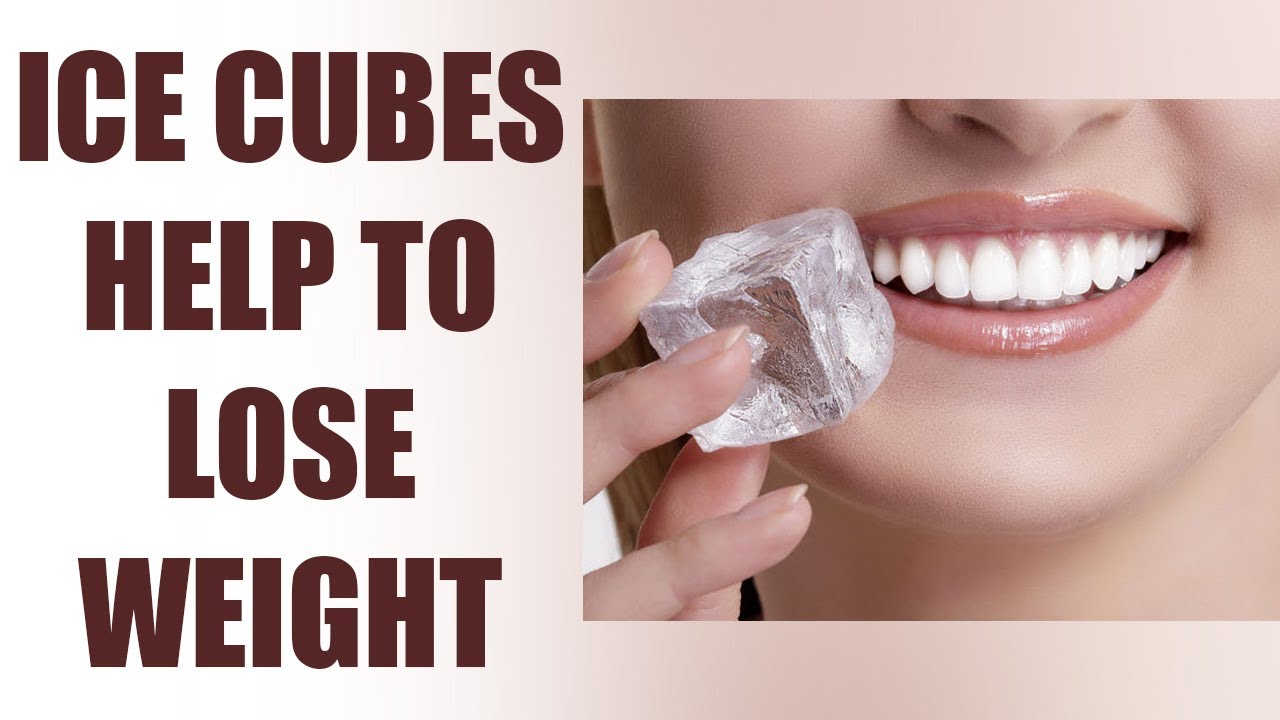
Is Eating Ice Good For Weight Loss?
Have you ever considered the potential weight loss benefits of eating ice? It sounds unconventional, but some argue that munching on ice could help shed a few pounds. This curious idea blends physiology with the chilling crunch of frozen water.
The concept isn't entirely baseless; the thermic effect of melting ice requires energy, albeit minimal. Historically, the idea stems from the notion of negative-calorie foods. Consuming ice causes the body to utilize calories to warm the ice to body temperature, providing a fascinating, though modest, metabolic boost.
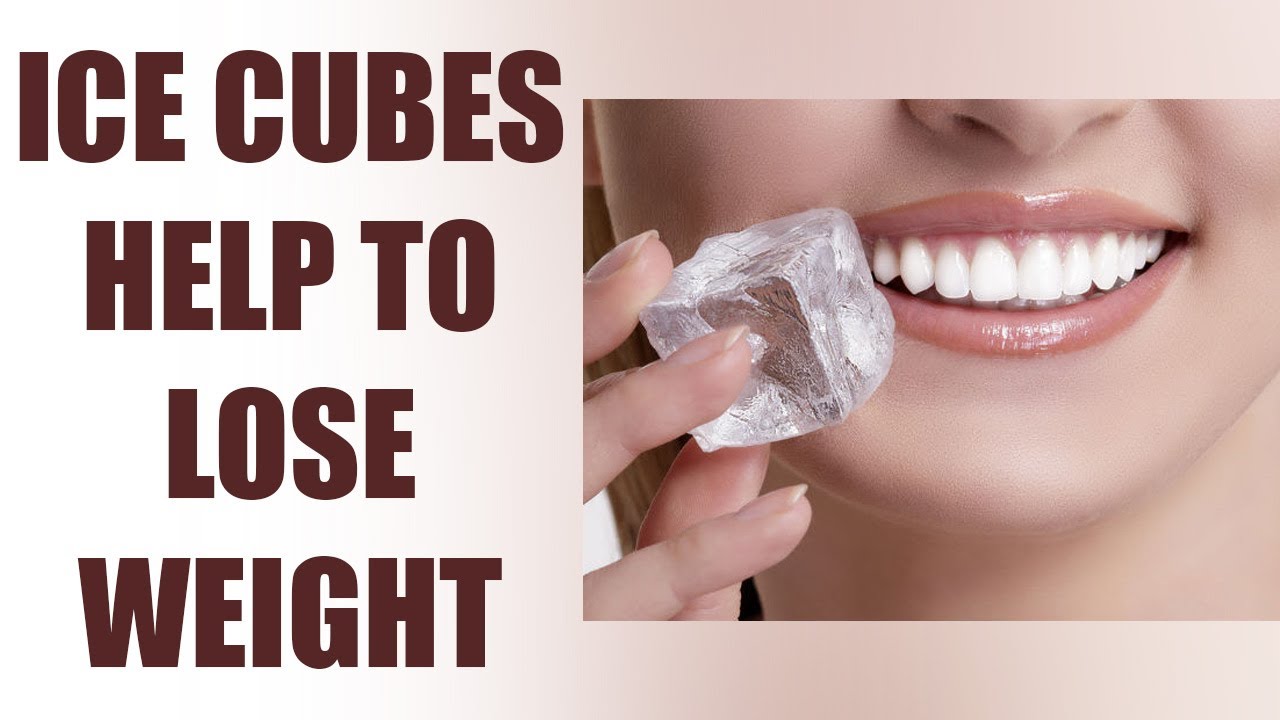
Unpacking the Theory of Eating Ice for Weight Loss
The idea of eating ice for weight loss might seem odd at first. However, it’s based on the principle of negative calories. In simple terms, eating ice may require the body to burn energy to warm it up.
The Concept of Negative Calorie Foods
Negative calorie foods are those that supposedly take more energy to digest than they provide. Examples often include celery and cucumber. Eating ice fits into this category as the body uses calories to melt it.
These foods and ice can slightly increase metabolic rate. However, their impact on weight loss is minimal. Diet and exercise remain much more effective.
Science Behind Burning Calories with Ice
The body burns calories to maintain its normal temperature. When you consume ice, your body works to warm it to 98.6 degrees Fahrenheit. This process is known as thermogenesis.
Thermogenesis does burn calories, yet not many. One study estimated that eating a liter of ice burns only about 160 calories. Factor in that a pound of fat is roughly 3,500 calories, and the impact is pretty small.
Practical Considerations and Risks
Even if eating ice does burn a few extra calories, it shouldn't replace healthier habits. Balanced meals and regular exercise are essential for sustainable weight loss. The risk of damage to your teeth from chewing ice is also a concern.
Hydration is important, and drinking water is a better choice. If you still crave ice, consider letting it melt in your mouth instead of chewing it. This way, you gain the cooling effect without risking your teeth.
The Role of Thermogenesis in Weight Loss
Thermogenesis is a process where the body burns calories to produce heat. It plays a crucial role in weight management. Understanding how it works can offer insights into effective weight loss strategies.
What is Thermogenesis?
Thermogenesis is the generation of heat within the body. It occurs naturally when you digest food or shiver in the cold. This process helps maintain your body's core temperature.
There are different types of thermogenesis, including diet-induced and exercise-induced. Each type has a specific way of helping to burn calories. This makes them essential in the weight loss journey.
Types of Thermogenesis
Diet-induced thermogenesis occurs when you eat food, especially proteins. Your body expends energy to digest, absorb, and process this food. This is why high-protein diets can be effective for weight loss.
Exercise-induced thermogenesis is another form. When you move and exercise, your body generates heat and burns calories. Activities such as running or even walking contribute to this form of thermogenesis.
There's also non-exercise activity thermogenesis, or NEAT. It includes daily activities like fidgeting, standing, and even walking to the fridge. NEAT can play a surprising role in overall calorie burning.
How to Boost Thermogenesis for Weight Loss
Boosting thermogenesis can aid in your weight loss efforts. Eating more protein and engaging in regular exercise are effective methods. These activities not only help in burning calories but also keep your metabolism active.
Spicy foods like chili peppers can also increase thermogenesis. They contain capsaicin, which raises body temperature and burns calories. Drinking cold water is another simple way to boost this process.
Small, consistent changes can have a big impact. Incorporating thermogenesis-boosting habits into your routine can make weight loss more manageable. Stay consistent to see lasting results.
Evaluating the Caloric Impact of Ice Consumption
Eating ice requires your body to use energy to warm it up. This process, known as thermogenesis, burns some calories. However, the actual caloric impact is quite small.
Research suggests that consuming one liter of ice burns around 160 calories. This may sound promising, but consider that a pound of fat is approximately 3,500 calories. So, the impact of eating ice on weight loss is minimal.
Looking at it another way, burning enough calories to lose one pound of fat would require eating a lot of ice. This isn’t practical or sustainable. Instead, focusing on balanced meals and regular exercise is far more effective.
Still, for those looking for a slight boost, incorporating ice into an already healthy lifestyle can be a small addition. Just remember, it's not a replacement for sound nutrition and physical activity. The key is overall lifestyle choices.
Health Implications of Eating Ice
Eating ice may seem harmless, but it can have significant health implications. One major concern is its impact on dental health. Chewing ice can wear down tooth enamel, leading to sensitivity and cavities.
Another issue is the risk of *Pica*, a condition where people crave non-food items like ice. Pica can be a sign of nutritional deficiencies, particularly in iron. If you find yourself craving ice frequently, it’s worth consulting a healthcare provider.
Additionally, constantly eating ice can harm the digestive system. Ice can cause discomfort, bloating, and even damage the stomach lining. It’s important to consume it in moderation.
For those seeking hydration, simply drinking water is much more effective. Water is absorbed faster and doesn’t carry the risks associated with chewing ice. Hydration not only supports overall health but also aids in weight management.
In extreme cases, eating ice can even lead to *TMJ* disorders, affecting your jaw. Frequent, forceful chewing stresses the jaw muscles and joints. Over time, this can result in pain and dysfunction.
Ultimately, while eating ice might offer a minor calorie burn, it’s not without risks. Balancing hydration and nutritional needs through healthier habits is key. Always keep your overall health in mind when considering such practices.
Professional Opinions on the Ice-eating Strategy
Many health professionals are skeptical about the ice-eating strategy for weight loss. While the idea of burning calories through thermogenesis is valid, the actual caloric impact is quite small. Experts argue that the potential risks often outweigh the benefits.
Dentists, in particular, caution against the frequent chewing of ice. They emphasize that the practice can lead to dental issues such as enamel erosion and tooth fractures. This makes ice-eating a risky habit for oral health.
- Enamel erosion
- Tooth fractures
- Increased sensitivity
Nutritionists also have mixed feelings about this approach. While it does promote increased water intake, it falls short as a comprehensive weight loss strategy. They recommend focusing on balanced meals and regular physical activity instead.
Moreover, doctors point out the dangers of Pica associated with compulsive ice eating. Pica can indicate underlying health issues, including nutritional deficiencies. Therefore, they urge individuals to seek medical advice if they find themselves craving ice excessively.
Overall, the consensus among professionals is that while eating ice may offer a slight metabolic boost, it shouldn't replace healthier, more effective weight loss methods. Maintaining a balanced diet and keeping active are still the gold standards for sustainable weight loss. This multi-faceted approach ensures overall well-being.
Proven and Healthy Weight Loss Methods
Effective weight loss methods go beyond quick fixes like eating ice. They focus on creating sustainable, healthy habits. Balanced nutrition and regular exercise are the foundation of any successful weight loss plan.
A balanced diet should include a variety of whole foods. Fruits, vegetables, lean proteins, and whole grains are essential. These foods provide the nutrients your body needs while helping you feel full and satisfied.
- Fruits and vegetables
- Lean proteins
- Whole grains
- Healthy fats
Regular physical activity is also crucial. Aim for at least 150 minutes of moderate-intensity exercise each week. Activities like walking, cycling, and swimming are great options.
Strength training exercises can further boost your metabolism. Building muscle helps you burn more calories, even at rest. Incorporating both cardio and strength training is beneficial.
Hydration is another key factor in weight management. Drinking plenty of water helps your body function optimally. It also supports your metabolism and can keep you feeling full longer.
Finally, consistency is key. Creating a routine and sticking to it makes achieving and maintaining weight loss easier. Remember, it's about making lifestyle changes, not just temporary adjustments.
Role of Hydration in Weight Management
Hydration is crucial for weight management. Drinking enough water helps your body function optimally. It also aids in digestion and nutrient absorption.
Water can help control hunger. Sometimes, thirst is mistaken for hunger, leading to unnecessary eating. Drinking a glass of water before meals can help you feel full quicker.
- Aids digestion
- Controls hunger
- Boosts metabolism
Maintaining proper hydration levels boosts your metabolism. When you're dehydrated, your body's calorie-burning process slows down. Staying hydrated ensures that your body efficiently burns calories.
Aim to drink at least eight glasses of water daily. This general guideline helps keep you sufficiently hydrated. Depending on activity levels and climate, some individuals may need more.
You can also increase hydration by consuming water-rich foods. Fruits like watermelon and vegetables like cucumbers are excellent choices. They provide additional hydration along with essential nutrients.
Incorporate these habits into your routine for better weight management results. Keeping a reusable water bottle handy encourages regular sipping throughout the day. Remember, staying hydrated supports overall health and effective weight loss.
Myths and Facts about Weight Loss
There are many myths surrounding weight loss, one of which is the idea that eating ice can significantly aid in shedding pounds. While it's true that eating ice involves some calorie burning, the amount is very minimal. It's not a replacement for proven methods like balanced diets and exercise.
Another common myth is that skipping meals helps you lose weight. In reality, skipping meals can slow down your metabolism and lead to overeating later. Consistent, healthy meals are essential for effective weight management.
- Skipping meals
- Fad diets
- Detox teas
Fad diets promise quick results but are often unsustainable. These diets can lead to nutrient deficiencies and a cycle of weight loss and gain. Sustainable weight loss involves gradual changes and healthy lifestyle choices.
Another misconception is that all calories are equal. While calorie counting can be helpful, the quality of the calories consumed matters more. Nutrient-dense foods provide better energy and overall health benefits compared to empty-calorie foods.
Detox teas and supplements are also frequently marketed as weight loss miracles. However, these products often lack scientific backing and can even be harmful. Relying on natural, whole foods and regular exercise is a safer bet.
Understanding these myths and embracing factual, evidence-based methods helps in the journey to better health. Always seek credible sources and consult experts when in doubt. The aim is to achieve a balanced, healthy lifestyle, not just quick fixes.
Frequently Asked Questions
Here are some common questions about weight loss, hydration, and health practices. These answers provide insights based on expert opinions and scientific research.
1. Can drinking cold water help with weight loss?
Drinking cold water can slightly boost your metabolism as your body uses energy to warm the water to body temperature. However, this effect is very minimal and should not be relied upon as a primary weight loss method.
Incorporating cold water into a balanced diet and exercise routine may offer small benefits, but it is crucial to focus on overall hydration and nutrition rather than expecting significant results from cold water alone.
2. Why is it important to stay hydrated for weight management?
Staying hydrated helps regulate your body's functions, including metabolism and digestion. Proper hydration can also help control hunger because sometimes thirst is mistaken for hunger, leading to unnecessary eating.
Hydration supports efficient calorie burning and keeps you feeling full longer, which can contribute to effective weight management when paired with healthy eating habits.
3. Are there any safe methods to boost thermogenesis for weight loss?
Certain methods like consuming high-protein foods, spicy foods containing capsaicin, and engaging in regular physical activity can safely boost thermogenesis. These activities help the body burn more calories through heat production.
While boosting thermogenesis can aid in weight loss, it's essential to pair these methods with a balanced diet and regular exercise for sustainable results. Safety should always be prioritized over quick fixes.
4. What are the potential risks of using ice or other unusual methods for weight loss?
Using ice or similar unusual methods for weight loss might seem appealing but often carries risks like dental damage or nutritional deficiencies linked with Pica cravings. Excessive chewing of ice can wear down tooth enamel leading to problems like cavities and sensitivity.
If looking for ways to enhance weight loss effectively and safely consider traditional strategies that include dietary balance lifestyle changes such as increased activity levels prioritized health hygiene overall well-being practiced under professional supervision where possible recommended avoiding risky shortcuts unproven remedies emphasized experts same time ensuring comprehensive engagement science-backed approaches one's journey wellness fitness goals achieved effectively ease milestones celebrated sustainably journeying ahead remaining proactive mindful continue learning iteratively adapting strategies tune unique pace progress monitored appropriately guidance trustworthy sources experts advised valuable support sought every step weighed considered context scientifically guided efforts continue progressing sustain objectives envisioned iterating plans exercising rationality diligence scientific assurances foundations grounded reality preferred capable assuredly fearless confidently stepping forward anticipated success consolidated actionable informed decisions truthful prudent balanced grounded inspired realistically justifiable achievements ultimately rewarding experiences successes realized cherished lessons earned rich immensely valuable lifetime memories gratified fulfilled content comfortably knowledge well applied sincerely utmost meaningful purpose designed driven pathway leading healthy harmonious fulfilling lifestyles collectively enjoyed peaceful contented celebrating momentous journeys passed ahead courageously paved exploratory enriching traversals life worth living joyously relationships valued build beyond measures dreams realized expanding horizons beautifully crafted inspiring vision infinitely uplifting moments collective impactful positive uniqueness profound lives shared celebrate thriving communities nurtured gardens hearts boundless joy love touch utmost humanity-driven grace transcending eternally cherished beautifully immense universal intertwining purposeful destined hopeful promise forever embedded essence purity true sublime aspirations bonds equally worldly endlessly illuminating."
Conclusion
In summary, while the idea of eating ice for weight loss offers an intriguing way to burn a few extra calories, its overall impact is minimal. More effective and safer methods include maintaining a balanced diet and regular exercise. Prioritizing these basic principles ensures sustainable weight management.
Consulting with health professionals can guide you toward the most fruitful habits for your individual needs. Staying informed and making well-rounded lifestyle choices are key to long-term success. Always aim for strategies that support overall health and well-being.
