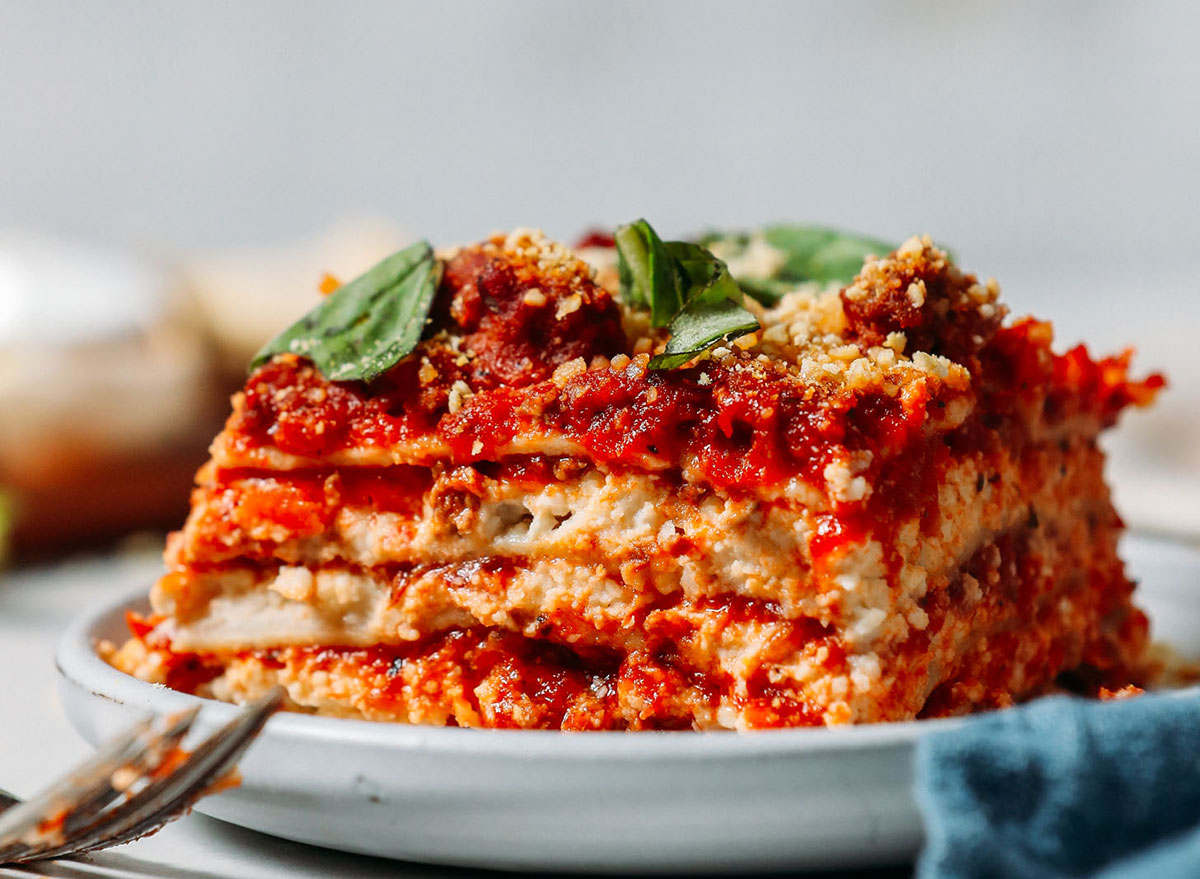
Is Lasagna Healthy For Weight Loss?
Can a hearty lasagna fit into a weight loss plan? This classic Italian dish, often associated with layers of cheese and pasta, seems like an indulgence. However, some modifications could turn it into a surprisingly supportive meal for those on a weight loss journey.
Traditionally, lasagna is rich in calories and fat, primarily due to ingredients like béchamel sauce and ground beef. By utilizing low-fat cheese, whole wheat pasta, and plenty of vegetables, you can reinvent this dish into a more nutritious option. According to recent dietary studies, such ingredient swaps can significantly lower the caloric content without sacrificing taste.
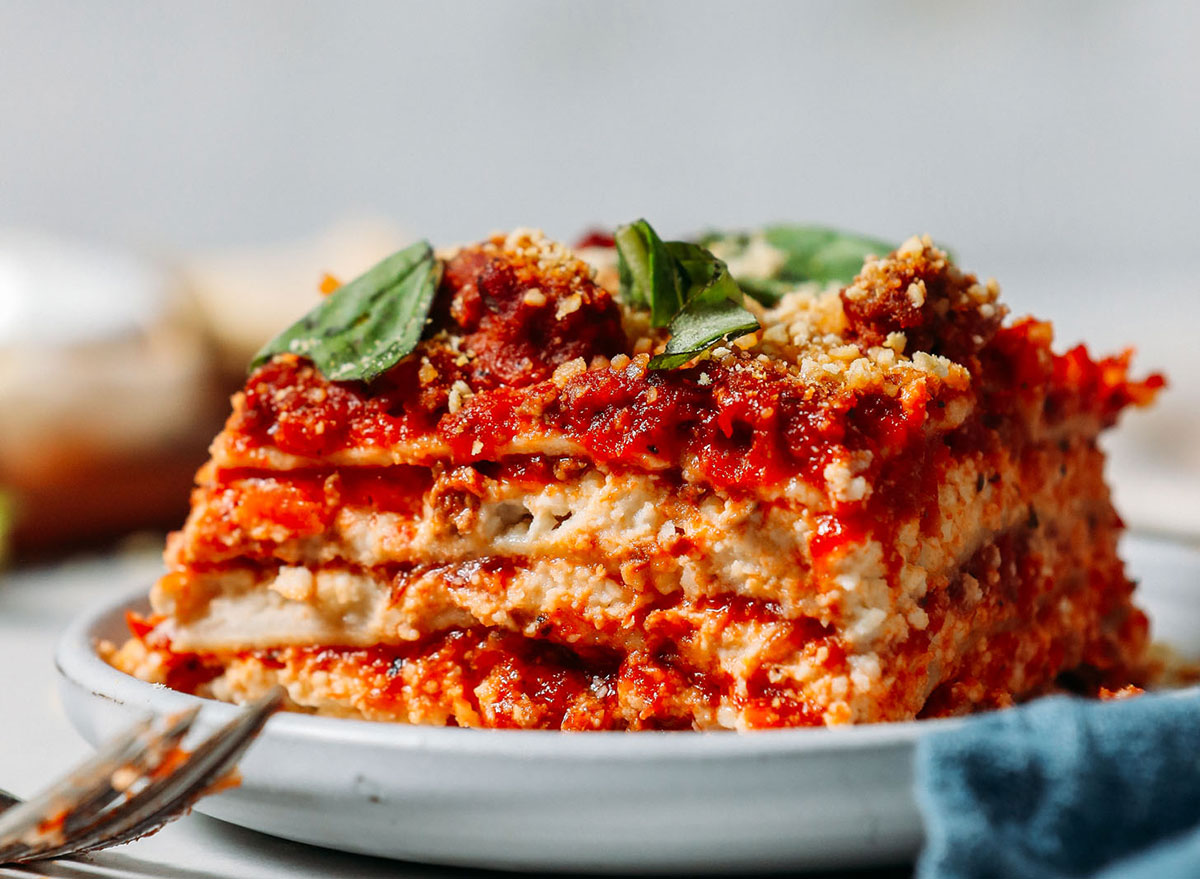
Nutritional Overview of Traditional Lasagna
Traditional lasagna is a layered pasta dish that includes a variety of ingredients. These typically involve ground beef, béchamel sauce, ricotta cheese, and pasta sheets. These components contribute to its rich flavor and texture.
Each serving of traditional lasagna is calorie-dense, often containing between 350 to 500 calories. The béchamel sauce and cheese add significant fat content, making it a heavier meal. The pasta sheets are a primary source of carbohydrates.
The ground beef used in the dish is a significant source of protein. However, it also adds to the fat content, which can be high in saturated fats. Saturated fats are known to have negative effects on heart health if consumed in large quantities.
Traditional lasagna often lacks a significant amount of vegetables, reducing its fiber content. Fiber is essential for digestion and satiety, meaning you feel full longer. Incorporating vegetables can add nutritional value and promote a balanced meal.
The Role of Portion Control in Weight Loss
Portion control is crucial when aiming for weight loss. It helps manage the number of calories consumed, preventing overeating. Understanding the right portion sizes can make a significant difference.
Overeating often leads to consuming more calories than needed. This calorie surplus is stored as fat, leading to weight gain. By controlling portions, you can maintain a calorie deficit, which is key for losing weight.
Smaller portions can also help you appreciate food more. Eating slowly and mindfully allows you to enjoy the flavors and textures. This can lead to greater satisfaction with fewer calories.
Effective portion control can be practiced by using smaller plates, measuring food, and avoiding second helpings. These strategies help regulate the amount of food you eat. Consistency in portion control supports sustainable weight loss.
Understanding Serving Sizes
Knowing the recommended serving sizes is key to portion control. For example, a serving of meat should be about the size of a deck of cards. This helps ensure you're eating balanced meals.
Food packaging often includes serving size information. Following these guidelines can help keep your calorie intake in check. Be mindful of the difference between portion sizes and serving sizes.
Restaurants often serve larger portions than necessary. Sharing dishes or saving half for later can help manage intake. Stick to the recommended serving sizes to stay on track with your goals.
Practical Tips for Portion Control
Using smaller plates and bowls can naturally reduce portion sizes. It gives the illusion of a fuller plate. This can be particularly helpful for those looking to cut calories.
Measure your food to ensure accurate portions. Kitchen scales and measuring cups are useful tools. Over time, you'll become better at eyeballing correct portions.
Plan your meals and snacks ahead of time. This can help avoid impulsive eating and excessive portions. Consistent planning supports healthier eating habits.
Psychological Benefits of Portion Control
Portion control can also positively impact your relationship with food. It encourages mindful eating practices. Paying attention to hunger and fullness cues becomes easier with smaller portions.
Feeling in control of your eating can boost confidence. It reinforces positive habits and a sense of accomplishment. This mental boost supports long-term weight management.
Over time, portion control helps reset your perception of serving sizes. You begin to recognize the appropriate amount of food needed. This awareness is crucial for maintaining a healthy weight.
Enhancing Lasagna's Nutritional Profile
Transforming lasagna into a healthier dish involves making smart ingredient swaps. Opt for whole wheat pasta instead of refined pasta to boost fiber content. This helps with digestion and keeps you feeling full longer.
Using lean ground turkey or chicken instead of ground beef can reduce fat content. These alternatives still provide a good amount of protein. This makes lasagna less heavy and more nutritious.
Incorporating more vegetables can vastly improve its health benefits. Add spinach, zucchini, or bell peppers to increase vitamins and minerals. Vegetables add volume without a lot of calories.
Swap out regular cheese for reduced-fat cheese to cut down on calories and fat. You can also use less cheese or incorporate cottage cheese. These changes make a lighter, yet still delicious lasagna.
Impact of Better Ingredient Options on Calorie Intake
Choosing better ingredient options can significantly lower the calorie count of lasagna. Whole wheat pasta contains more fiber but fewer calories compared to traditional pasta. This simple change makes a big difference.
Switching from ground beef to lean ground turkey cuts down on saturated fats. This swap reduces overall calorie consumption while still providing essential protein. Turkey or chicken are excellent, lower-calorie choices.
Incorporating vegetables like spinach and zucchini adds nutrients with minimal calories. These vegetables not only bulk up the dish but also provide essential vitamins. This makes your lasagna more filling and nutritious.
Using low-fat or part-skim cheese reduces fat content without sacrificing flavor. You can also try using less cheese overall. This change decreases calorie intake, making the meal healthier.
Replacing béchamel sauce with a tomato-based sauce can greatly affect the calorie count. Tomato sauces are generally lower in calories and fat. This swap makes the dish lighter and more nutrient-dense.
By making these ingredient adjustments, lasagna becomes a more diet-friendly option. These changes do not compromise on taste but help in managing calorie intake. Eating healthier lasagna can support your weight loss goals.
Adding Vegetables to Boost Fiber Content
Incorporating vegetables into your lasagna can significantly boost its fiber content. Fiber aids in digestion and keeps you feeling full longer. This can help support weight loss efforts.
Some great vegetables to add include spinach, bell peppers, and zucchini. These options are low in calories but high in nutrients. They also add a vibrant color and fresh taste to the dish.
Mushrooms are another excellent addition. They are rich in vitamins and minerals. Mushrooms add a meaty texture without the extra calories.
Consider layering thinly sliced eggplants into your lasagna. Eggplants are high in fiber and antioxidants. They offer a unique flavor and improve the dish's nutritional profile.
Carrots and celery can also be finely chopped and added. These veggies are rich in fiber while adding a bit of crunch. Cooking them with onions and garlic can enhance the overall taste.
Using a variety of vegetables makes lasagna more filling and less caloric. This simple change helps improve your diet without compromising on taste. Vegetable-rich lasagna is both delicious and nutritious.
Protein Content and Its Significance in Weight Loss
Protein plays a crucial role in weight loss by keeping you full longer. This helps reduce cravings and prevents overeating. High-protein foods can also boost metabolism.
Adding lean proteins to your meals improves their nutritional value. Chicken, turkey, and fish are great low-fat protein options. These can be easily incorporated into recipes like lasagna.
Plant-based proteins like beans, lentils, and tofu can also be used. They are rich in fiber and nutrients. These options are beneficial for vegetarians and vegans.
High-protein meals help preserve muscle mass during weight loss. This is important because muscle tissue burns more calories than fat. Maintaining muscle mass supports a healthy metabolism.
Eggs, Greek yogurt, and cottage cheese are excellent protein sources. They can be included in various dishes for added nutrition. These foods are versatile and easy to prepare.
Overall, increasing protein intake can aid in weight loss by regulating appetite and maintaining muscle mass. Including a variety of protein sources ensures a balanced diet. Protein-rich meals promote long-term weight management.
Lasagna's Role in a Balanced Diet
Lasagna can be part of a balanced diet when made with healthier ingredients. Choosing whole grains, lean proteins, and plenty of vegetables enhances its nutritional value. This makes lasagna both delicious and nutritious.
Incorporate various food groups into your lasagna to ensure a well-rounded meal. Whole wheat pasta provides complex carbohydrates, while vegetables offer essential vitamins and minerals. Using lean meats or plant-based proteins adds necessary protein without extra fat.
Moderation is key to enjoying lasagna without compromising your health goals. Practicing portion control helps maintain calorie balance. A smaller serving paired with a side salad can create a satisfying and healthy meal.
Mediterranean-style lasagna recipes use olive oil and fresh herbs for flavor. These ingredients are known for their heart-healthy benefits. Such adaptations align with dietary guidelines promoting balanced nutrition.
- Choose reduced-fat cheese to lower saturated fat intake.
- Add extra veggies like spinach, zucchini, or bell peppers for fiber.
- Use homemade tomato sauce to avoid added sugars.
A balanced diet involves variety and moderation in all food choices. Lasagna, made thoughtfully, fits well within such dietary principles. Enjoying it occasionally can be part of a healthy eating plan.
Healthy Lasagna Recipes for Weight Loss
Creating healthy lasagna recipes can make it easier to enjoy this classic dish while staying on track with weight loss goals. Using ingredients like whole wheat pasta and lean proteins can lower calorie content. These substitutions still provide a satisfying meal.
One excellent recipe involves using whole wheat lasagna noodles, lean ground turkey, and plenty of vegetables. Include spinach, mushrooms, and zucchini for added nutrients. Top it with reduced-fat mozzarella cheese to keep it light.
Vegetarian lasagna is another great option. Layer the dish with eggplant or zucchini slices instead of pasta. Add a mix of roasted vegetables and use a tomato-based sauce for flavor and nutrition.
Consider preparing a lasagna with lentils as the main protein source. Combine the lentils with a variety of vegetables and a low-fat cheese. This recipe is high in fiber and absolutely delicious.
- Use whole wheat pasta to increase fiber.
- Incorporate lean meat like chicken or turkey.
- Add a variety of vegetables for vitamins and minerals.
- Opt for low-fat cheese to reduce fat intake.
- Choose a tomato-based sauce to keep calories low.
Experimenting with these healthy lasagna recipes allows you to enjoy a wholesome and tasty meal. These recipes are not only delicious but also support your weight loss journey. Start cooking and find your favorite combination!
Frequently Asked Questions
When considering lasagna for weight loss, there are common questions that come up. Here we address some of these queries to help make informed dietary choices.
1. Can I substitute pasta in lasagna with vegetables?
Yes, you can use vegetables as a substitute for pasta in lasagna. Thinly sliced zucchini, eggplant, or even sweet potatoes are great alternatives. They provide fewer carbs and calories while adding fiber and nutrients.
This substitution can help make your meal lighter and more nutritious. Using vegetables instead of traditional pasta supports a balanced diet without compromising flavor.
2. Is it better to use low-fat cheese in lasagna?
Using low-fat cheese in lasagna is a good choice for reducing calorie intake. It contains less saturated fat compared to full-fat versions, making it a healthier option.
This switch helps lower overall fat content without losing taste. Incorporating low-fat cheese aligns with weight loss goals while keeping the dish delicious.
3. How does portion control work with lasagna?
Portion control involves managing the amount of food you eat in one sitting. For lasagna, this means eating smaller portions to limit calorie intake.
You can use techniques like measuring servings or using smaller plates. Practicing portion control helps avoid overeating and supports weight management efforts.
4. Does adding more vegetables affect the taste of lasagna?
Addings more vegetables can actually enhance the taste of lasagna by adding different flavors and textures. Spinach, bell peppers, and mushrooms blend well with other ingredients.
This not only makes the dish tastier but also boosts its nutritional profile. More veggies add vitamins, fiber, and minerals without increasing calories significantly.
5. Can I include plant-based proteins in my lasagna?
Absolutely! Plant-based proteins like lentils, tofu, or beans work well in lasagna recipes. These options add protein while being lower in fat compared to animal proteins.
Using plant-based sources helps create a hearty and filling meal that's still aligned with weight loss plans. These ingredients also bring additional nutrients like fiber and iron to your dish.
Conclusion
Incorporating lasagna into a weight loss plan is possible with mindful ingredient choices. By opting for whole wheat pasta, lean proteins, and plenty of vegetables, you can enjoy a flavorful dish that supports your health goals. Portion control also plays a vital role in managing calorie intake.
Modifying traditional recipes to be more nutritious doesn’t mean sacrificing taste. Healthy lasagna can be both satisfying and beneficial for your diet. Consistently making these smart choices will contribute to a balanced and sustainable weight loss journey.
