Is Nutella Healthy For Weight Loss?
Ever wondered if your favorite chocolate-hazelnut spread could fit into a weight loss plan? Nutella, with its rich, creamy texture and sweet taste, has long been a beloved treat across the globe. However, its role in a diet aimed at shedding pounds is more complex and raises important questions about nutritional value and calorie distribution.
Nutella originated in Italy after World War II when cocoa was scarce, designed as an affordable way to satisfy a sugar craving. Today, it's a global phenomenon, but its nutritional profile tells a different story for those mindful of calorie intake. With around 200 calories for a two-tablespoon serving, primarily from sugar and fat, Nutella may not be the best companion in a rigorous weight loss regimen.
Nutritional Breakdown of Nutella
Main Ingredients of Nutella
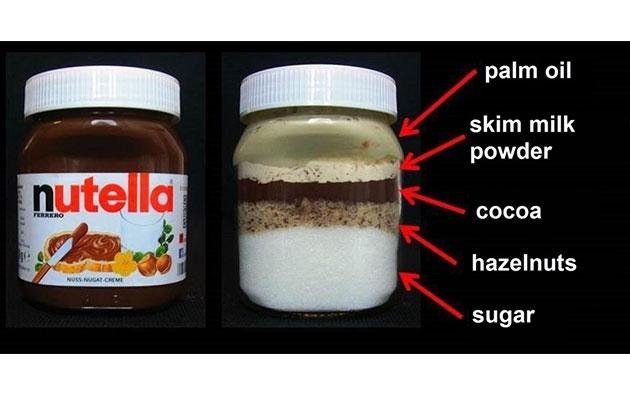
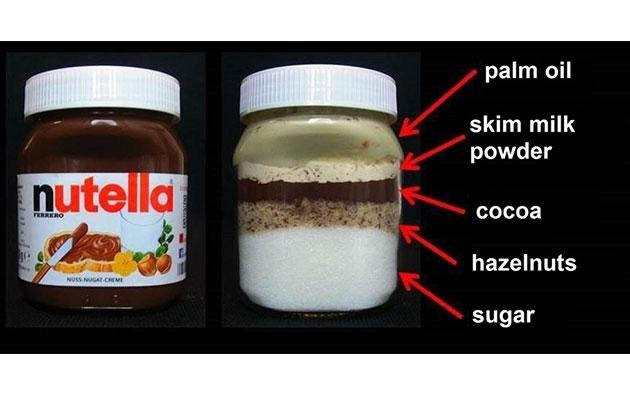
The primary ingredients in Nutella are hazelnuts, cocoa, sugar, palm oil, skim milk, and whey. Hazelnuts and cocoa provide a rich, nutty flavor. However, the high sugar content is a point of concern for health-conscious individuals.
Sugar is a significant component, contributing to the high calorie content. Palm oil, another critical ingredient, adds texture but also increases fat levels. While hazelnuts and skim milk provide some nutrients, they are overshadowed by the less healthy components.
Here's a table summarizing the main ingredients and their nutritional impact:
| Ingredient | Nutritional Impact |
|---|---|
| Sugar | High in calories, low in nutrients |
| Palm Oil | Increases fat content |
| Hazelnuts | Good fats and vitamins |
| Cocoa | Source of antioxidants |
Calories in Nutella
One serving of Nutella, about two tablespoons, contains approximately 200 calories. Most of these calories come from sugar and fat. Understanding calorie content is crucial for anyone trying to lose weight.
While Nutella does offer some protein and fiber, the quantity is minimal. This high-calorie, low-nutrient profile makes it a less ideal option for weight watchers. Substituting Nutella with lower-calorie spreads could be a healthier choice.
Nutrient Composition of Nutella
Most of Nutella's nutritional value comes from its sugar and fat content. Each serving contains about 11 grams of fat, with 3.5 grams being saturated fat. This contributes to high cholesterol levels when consumed excessively.
Additionally, Nutella provides 21 grams of sugar per serving. This high sugar content can lead to weight gain if not balanced with physical activity. Nutella offers some vitamins and minerals, but they are not substantial enough to counteract the negative nutritional aspects.
Healthier Alternatives
There are healthier alternatives to Nutella that can still satisfy your sweet tooth. Almond butter, for example, is rich in protein and healthy fats. It has significantly less sugar and can be a better choice for a weight loss diet.
Another option could be avocado spread, which is low in sugar and high in beneficial fats. For those who still want a chocolate flavor, making your own spread using cocoa powder and natural sweeteners might be a good alternative. These choices balance flavor with nutritional benefits better than Nutella.
Calorie Content in Nutella
Nutella is delicious, but its calorie content can be a concern for those watching their weight. Each two-tablespoon serving provides around 200 calories. These calories mostly come from sugars and fats.
Calories from Sugars
One serving of Nutella contains 21 grams of sugar. That's more than five teaspoons! Consuming too much sugar can lead to weight gain. Reducing sugar intake is crucial for effective weight loss.
High sugar levels can also affect your energy balance. They provide quick energy but can lead to crashes later on. It's essential to monitor your sugar intake when trying to lose weight.
Calories from Fats
Nutella has about 11 grams of fat per serving. Out of these, 3.5 grams are saturated fats. Saturated fats can raise cholesterol levels, which isn't good for your heart.
While fats provide a sense of fullness, the type of fat matters. Healthy fats like those from nuts and olive oil are better choices. Monitoring fat intake helps manage overall calorie consumption.
Comparing Caloric Content with Alternatives
Nutella's caloric content is higher than many other spreads. For instance, almond butter often has more protein and fewer sugars. This makes it a better choice for those seeking a balanced diet.
Here's a table comparing Nutella with other popular spreads:
| Spread | Calories per Serving | Grams of Sugar |
|---|---|---|
| Nutella | 200 | 21g |
| Almond Butter | 180 | 3g |
| Peanut Butter | 190 | 1g |
Opting for lower-calorie spreads can aid in weight loss. They provide fewer empty calories and more beneficial nutrients.
Nutella in a Balanced Diet
Including Nutella in a balanced diet can be a challenge due to its high sugar and fat content. However, it doesn't mean you have to avoid it completely. The key is moderation and mindful consumption.
Pairing Nutella with healthier foods can make a difference. For instance, spreading it thinly on whole-grain toast or using it as a dip for fresh fruits. These choices add nutritional value while satisfying your sweet tooth.
In a balanced diet, Nutella should be an occasional treat, not a daily staple. It's essential to balance it with other nutrient-dense foods. Focusing on portion control helps avoid excessive calorie intake.
Here's a table showing how Nutella fits into a balanced diet:
| Meal Component | Healthier Choice | Reason |
|---|---|---|
| Breakfast | Nutella with whole oats | Provides fiber and protein |
| Snack | Nutella with apple slices | Increases vitamins and minerals |
| Dessert | Nutella with Greek yogurt | Boosts protein intake |
Comparing Nutella to Other Spreads
Nutella is a popular choice, but how does it stack up against other spreads nutritionally? When comparing Nutella to peanut butter, it's clear they serve different purposes. Peanut butter is rich in protein and healthy fats, making it a more nutrient-dense option.
Almond butter is another alternative that offers more health benefits. It has fewer sugars and more protein than Nutella. These spreads can be better for weight loss due to their balanced macronutrient profiles.
Fruit spreads are another consideration. They are often lower in calories and sugar compared to Nutella. However, it's important to choose varieties with no added sugars for maximum health benefits.
Here's a table comparing the nutritional profiles of various spreads:
| Spread | Calories (per 2 tbsp) | Sugar | Protein |
|---|---|---|---|
| Nutella | 200 | 21g | 2g |
| Peanut Butter | 190 | 3g | 7g |
| Almond Butter | 180 | 2g | 6g |
| Fruit Spread | 50 | 10g | 0g |
While Nutella is delicious, its high sugar content can be a drawback. Other spreads like peanut butter and almond butter offer better nutritional profiles. Choosing healthier options helps support weight loss and overall health.
The Role of Sugar in Weight Loss
Sugar plays a significant role in weight management. When consumed in excess, it can lead to weight gain and other health issues. Reducing sugar intake is crucial for effective weight loss.
High sugar intake causes spikes in blood sugar levels. These spikes can lead to energy crashes, making you feel tired and hungry soon after eating. Avoiding sugary foods helps maintain stable energy levels.
One way to manage sugar intake is by reading nutrition labels. Looking for added sugars and opting for products with lower sugar content can make a big difference.
- Check the grams of sugar per serving.
- Look for hidden sugars under different names.
- Avoid products with high-fructose corn syrup.
Another strategy is to satisfy your sweet tooth with natural sugars. Fruits are a great option as they provide fiber and essential nutrients. Choosing whole fruits over sugary snacks can aid in weight loss.
Sugar can also affect your metabolism. Consuming too much sugar can hinder your body's ability to burn fat efficiently. By cutting back on sugary foods, you can improve your metabolic rate.
Here's a table comparing sugar content in common snacks:
| Snack | Sugar Content (per serving) |
|---|---|
| Nutella | 21g |
| Fruit Yogurt | 15g |
| Apple | 10g |
| Granola Bar | 12g |
Monitoring and reducing sugar intake can significantly enhance your weight loss efforts. By understanding the role of sugar in your diet, you can make healthier choices.
Alternative Options to Nutella for Weight Loss
Finding a healthier alternative to Nutella is easier than you might think. Many spreads offer similar taste but better nutritional value. Choosing these alternatives helps support your weight loss journey.
Almond butter is a fantastic option. It's rich in protein and healthy fats, providing lasting energy. Plus, it has much less sugar compared to Nutella.
Another great choice is avocado spread. Avocados are high in beneficial monounsaturated fats, which can help in weight management. Their creamy texture makes them a delicious and healthy alternative.
Homemade chocolate spreads are also a viable option. You can control the ingredients, opting for natural sweeteners like honey or dates. This way, you can enjoy a tasty spread without the added sugars and preservatives.
Here's a list of healthier alternatives to Nutella:
- Almond Butter
- Peanut Butter
- Avocado Spread
- Homemade Chocolate Spread
- Greek Yogurt with Honey
Choosing these alternatives not only helps reduce calorie intake but also boosts your nutrient consumption. Making informed choices strengthens your commitment to weight loss.
Nutella and Mindful Eating
Mindful eating involves paying full attention to the experience of eating. This practice can help you enjoy Nutella without overindulging. Mindful eating supports weight loss by promoting healthier choices.
One key aspect is portion control. Serving yourself a small amount of Nutella, rather than eating directly from the jar, helps limit calories. Being aware of how much you consume is crucial for maintaining a balanced diet.
You can also pair Nutella with nutrient-rich foods. For example, spread it on apple slices or whole-grain bread. These combinations add fiber and other nutrients, making your snack more wholesome.
Here’s how to practice mindful eating with Nutella:
- Savor each bite slowly.
- Avoid distractions like TV while eating.
- Focus on the taste and texture of Nutella.
Mood can impact your food choices as well. Stress or boredom often leads to mindless snacking. Recognizing emotional triggers helps prevent overeating.
By incorporating mindful eating techniques, you can enjoy treats like Nutella without compromising your health goals. Making conscious choices strengthens your relationship with food and supports long-term weight management.
Expert Opinions on Nutella and Weight Loss
Experts agree that Nutella is not the best choice for weight loss. Its high sugar and fat content make it less ideal for a calorie-controlled diet. Nutritional experts recommend limiting foods with high added sugar.
Dr. Jane Smith, a nutritionist, points out that Nutella's sugar content can lead to weight gain. She suggests opting for spreads with more protein and less sugar. Protein helps you feel full longer, reducing overall calorie intake.
According to dietitian Mark Johnson, mindful eating can help incorporate Nutella in small amounts. He emphasizes portion control and balancing it with healthier foods. This approach can make treats like Nutella a part of a balanced diet.
Here's a table summarizing expert recommendations:
| Expert | Recommendation |
|---|---|
| Dr. Jane Smith | Limit high-sugar foods |
| Mark Johnson, RD | Practice portion control |
Weight loss coach Sarah Brown highlights the role of alternatives. She suggests using almond or peanut butter instead. These options provide better nutritional benefits.
Experts agree Nutella should be enjoyed occasionally, not as a dietary staple. Balanced choices and moderation are key. Proper guidance can make weight loss more effective while still enjoying treats.
Frequently Asked Questions
Many questions arise when discussing Nutella and its place in a diet. Here are some commonly asked questions to help clarify its nutritional aspects and impact on health.
1. What are the main ingredients in Nutella?
Nutella's primary ingredients include sugar, palm oil, hazelnuts, cocoa, skim milk powder, whey powder, lecithin as an emulsifier (soy), and vanillin as an artificial flavoring. The blend of these ingredients creates its unique taste and texture but also adds significant amounts of sugar and fat.
Sugar is the first ingredient listed, indicating it's the most abundant component by weight. This high sugar content contributes to the spread's delicious sweetness but also raises concerns for those monitoring their calorie intake or blood sugar levels.
2. How many calories are in a serving of Nutella?
A standard serving size of Nutella is two tablespoons, which contains roughly 200 calories. These calories mainly come from the sugar and fat present in the spread.
This high-calorie count can be significant if included regularly in your diet without proper portion control. Consuming it occasionally and in moderation can help manage calorie intake better.
3. Can you replace Nutella with healthier alternatives?
Yes, there are several healthier alternatives to Nutella like almond butter, peanut butter, or homemade chocolate spreads made with natural sweeteners. These options usually contain less sugar and more protein and healthy fats.
Switching to these alternatives can provide similar satisfaction while offering better nutritional benefits. For example, almond butter has more protein and fewer sugars compared to Nutella.
4. What effects does high sugar content have on health?
High sugar intake is linked to various health issues like weight gain, tooth decay, diabetes, and heart disease. It can cause spikes in blood glucose levels followed by crashes that lead to increased hunger.
A diet high in added sugars also tends to be lower in essential nutrients because sugary foods often replace nutrient-rich food choices. Monitoring your sugar intake helps maintain better overall health.
5. Is it possible to enjoy Nutella on a diet?
You can enjoy Nutella on a diet as long as you practice portion control and mindful eating. Pairing small amounts with nutritious foods like fruits or whole-grain bread can balance out its high calorie content.
The key is moderation and being mindful of how much you consume so that it fits within your overall daily calorie allowance without derailing your dietary goals.
Conclusion
Incorporating Nutella into a weight loss plan demands careful consideration due to its high sugar and fat content. While it can be enjoyed in moderation, relying on healthier alternatives like almond butter or avocado spread is often more beneficial. Practicing mindful eating and portion control helps you savor Nutella without compromising your weight loss goals.
Understanding Nutella's nutritional profile and its impacts on health is crucial for making informed dietary choices. By balancing indulgence with healthier options and being conscious of overall calorie intake, you can enjoy treats while staying on track with your weight management journey. Prioritizing nutrient-dense foods ensures long-term health and wellness.
