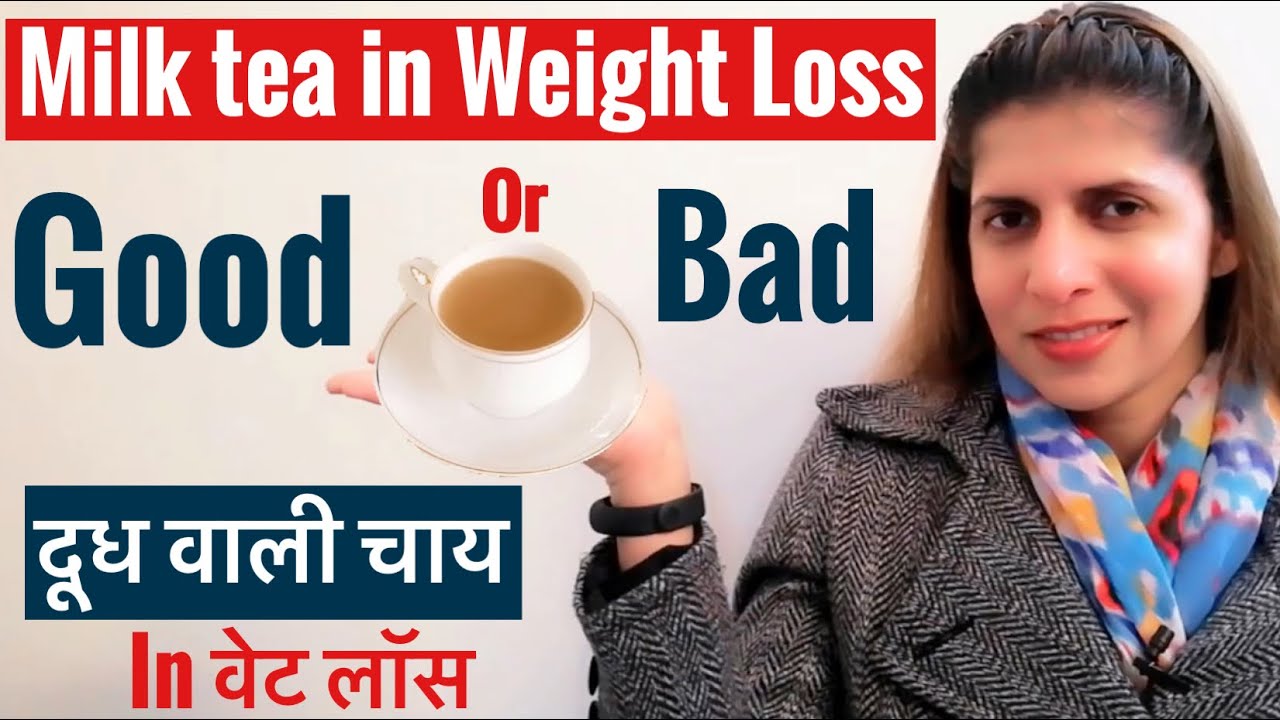
Is Milk Tea Good For Weight Loss?
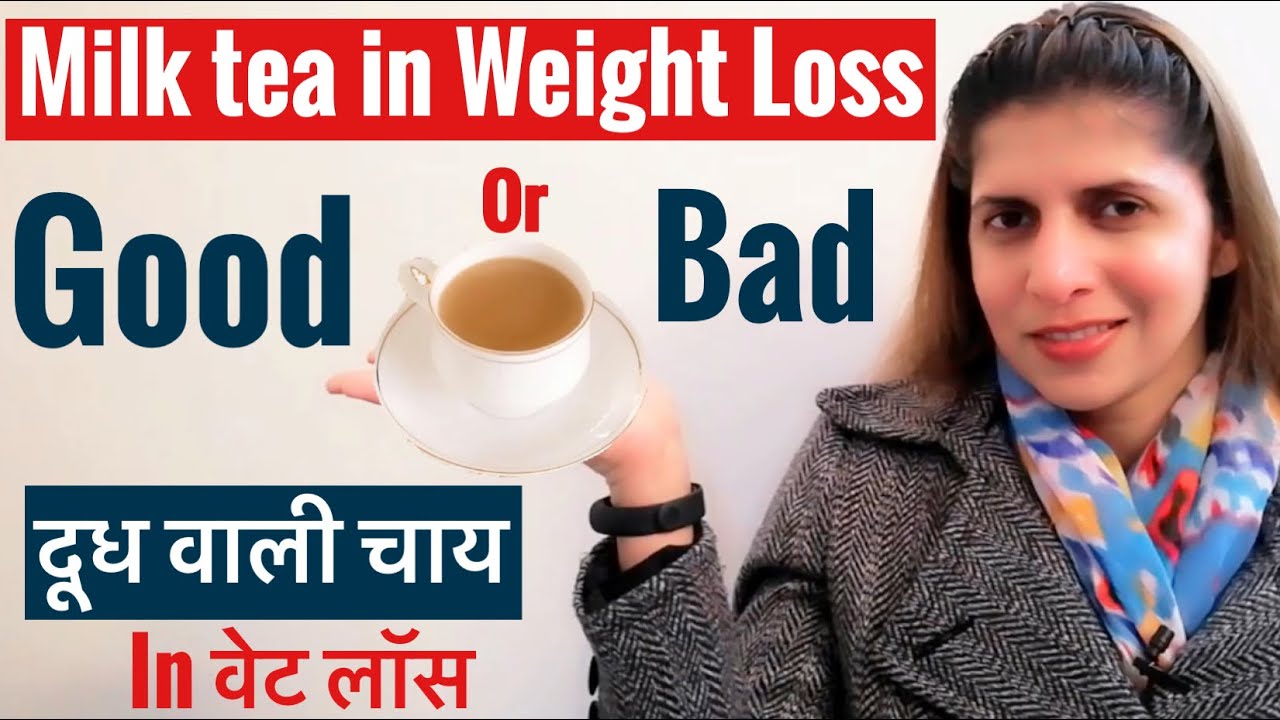
More people are turning to milk tea as a comforting beverage, but can it actually help you shed those extra pounds? The debate surrounding milk tea's effectiveness in weight loss runs deep. With its varying levels of sugar, types of milk, and additional ingredients, the impact on weight loss can vary greatly depending on preparation.
Historically, tea itself has been praised for its metabolism-boosting properties. Adding milk, however, complicates matters as it introduces calories and fats. Interestingly, a study found that the addition of milk may negate some of the antioxidant benefits of tea. Those aiming to lose weight might opt for low-fat milk or milk alternatives.
The History of Milk Tea
Milk tea has a rich history that spans several cultures. The origins of milk tea can be traced back to ancient China, where tea itself was first discovered. Eventually, the idea of combining tea and milk became popular worldwide.
In Britain, adding milk to tea became a common practice during the 17th century. This tradition spread to British colonies, influencing tea consumption globally. Today, milk tea is enjoyed in various forms, from bubble tea in Taiwan to masala chai in India.
Interestingly, many cultures have unique recipes for milk tea. Some prefer strong black tea with condensed milk, while others enjoy lighter teas with fresh milk. Each region adds its special twist, making milk tea a diverse and beloved beverage.
Over the years, milk tea has adapted to modern tastes. With innovations like bubble tea, it's become popular among younger generations. This blend of tradition and modernity keeps milk tea exciting and relevant today.
Nutritional Composition of Milk Tea
Milk tea's nutritional composition can vary based on its ingredients. Commonly, it consists of tea, milk, and sweeteners. Understanding these components can help in choosing healthier options.
Caloric Content
The calories in milk tea come mainly from milk and sweeteners. Whole milk and sugar can significantly increase the calorie count. Choosing low-fat milk or sugar substitutes can make it lighter.
Here's a quick comparison:
| Ingredient | Calories |
|---|---|
| Whole Milk (1 cup) | 150 |
| Low-Fat Milk (1 cup) | 100 |
| Sugar (1 tbsp) | 50 |
| Honey (1 tbsp) | 64 |
Fat Content
The fat in milk tea also depends on the type of milk. Whole milk has more fat, while low-fat or plant-based milks have less. This affects the overall creaminess and healthiness of the beverage.
Choosing almond, soy, or oat milk can reduce fat intake. These alternatives are popular among health-conscious individuals. They also add unique flavors to the drink.
Sugar Content
Sugar content in milk tea can vary widely. Traditional recipes can have several teaspoons of sugar, adding to its sweetness and calorie count. Opting for less sugar or artificial sweeteners can make it healthier.
Many people enjoy milk tea without any added sugar. It’s possible to find balance by gradually reducing the sugar. This allows the natural flavors of the tea to shine through.
The Role of Tea in Weight Loss
Tea has long been celebrated for its potential weight loss benefits. Many types of tea are known to boost metabolism. This helps your body burn calories more efficiently.
Green tea, in particular, is rich in antioxidants called catechins. These compounds can help reduce fat and improve your body’s ability to use energy. Drinking a few cups of green tea daily may enhance weight loss efforts.
Other teas like black tea and oolong tea also offer benefits. They contain caffeine, which can further boost metabolism. The combination of caffeine and antioxidants makes these teas effective for weight management.
Herbal teas such as ginger or peppermint tea can aid in digestion. They help reduce bloating and improve gut health. Adding these teas to your routine may support your overall weight loss plan.
Role of Milk in Weight Loss
Milk can play an important role in a weight loss diet. It is rich in protein and calcium. These nutrients help keep you full and support muscle growth.
Choosing the right type of milk is crucial. Whole milk contains more fat and calories, which may not be suitable for weight loss. Low-fat or skim milk is a better option as it offers the same nutrients with fewer calories.
For those who are lactose intolerant or vegan, plant-based milks can be a good alternative. Options like almond, soy, and oat milk are popular. Some of these alternatives are fortified with vitamins and minerals, making them nutritious choices.
When included in moderation, milk can boost your diet’s overall nutritional value. It pairs well with cereals, smoothies, and even some soups. This versatility makes it easy to incorporate into your daily meals.
It's important to consider portion sizes. Even low-fat milk can add up in calories if consumed in large amounts. Being mindful of how much milk you are consuming can help you stay on track with your weight loss goals.
Here’s a quick comparison of milk types:
| Type of Milk | Calories (1 cup) | Protein (grams) |
|---|---|---|
| Whole Milk | 150 | 8 |
| Low-Fat Milk | 100 | 8 |
| Almond Milk | 30-60 | 1 |
| Soy Milk | 80-100 | 7 |
Sugar Content in Milk Tea and Weight Loss
Sugar content is a key factor that can impact weight loss when drinking milk tea. Traditional milk tea recipes often contain several teaspoons of sugar. This can add a significant number of calories to the beverage.
High sugar consumption is linked to weight gain and other health issues. Therefore, reducing the amount of sugar in milk tea can be beneficial. An easy way to do this is by asking for less sugar or using healthier sweeteners.
Here are some healthier sweetener alternatives:
- Stevia
- Honey
- Agave nectar
- Monk fruit extract
Making these small changes can help manage calorie intake. Many people find that gradually reducing sugar helps them adjust to less sweetness over time. This can make it easier to enjoy milk tea while maintaining a healthy diet.
Additionally, some cafes offer sugar-free syrups. These can be a good option for those looking to completely avoid added sugars. Being mindful of your choices can make a big difference.
Milk Tea Recipes for Weight Loss
Creating milk tea recipes tailored for weight loss can be simple and satisfying. Using low-fat milk and natural sweeteners can make a big difference. Incorporating tea varieties known for their weight-loss benefits can further enhance these recipes.
A basic recipe for weight-loss milk tea includes these ingredients:
- 1 cup of green tea
- 1/4 cup of low-fat milk
- 1 teaspoon of honey or stevia
- Optional: a pinch of cinnamon
This blend is both delicious and beneficial for your weight-loss journey.
Another great option is chai with almond milk. Almond milk is lower in calories and adds a unique flavor. You can sweeten this with a natural alternative like agave nectar.
Here’s a table for quick reference:
| Type | Calories | Sweetener |
|---|---|---|
| Green Tea with Low-Fat Milk | 50 | Honey/Stevia |
| Chai with Almond Milk | 30 | Agave Nectar |
Experimenting with different recipes can help you find what you enjoy. Adjusting the sweetness and type of milk used will enable you to personalize it to your taste. These modifications will help you enjoy milk tea while working towards your fitness goals.
The Pros and Cons of Drinking Milk Tea for Weight Loss
Drinking milk tea while trying to lose weight comes with both benefits and drawbacks. The tea itself can be beneficial because it has metabolism-boosting properties. However, the added ingredients like sugar and high-fat milk can be problematic.
Here are some pros:
- Tea boosts metabolism
- Rich in antioxidants
- Can help keep you full longer
These positives make milk tea a tempting choice for those aiming to lose weight. However, there are also cons that need to be considered. High sugar content can lead to increased calorie intake and might hinder weight loss efforts.
Here are some cons:
- Sugar adds extra calories
- High-fat milk increases fat intake
- May negate the benefits of tea alone
Balancing the pros and cons is key. Opting for low-fat milk and reducing sugar can help enjoy milk tea without compromising your goals. Understanding both sides will enable you to make informed choices.
Balancing Milk Tea Consumption and Healthy Diet for Weight Loss
Including milk tea in your diet while aiming for weight loss requires balance. Opt for low-fat milk and natural sweeteners to reduce overall calorie intake. This way, you can enjoy milk tea without compromising your diet.
Pairing milk tea with other healthy snacks can help. Options like fruits or nuts can complement your beverage without adding excessive calories. Ensuring that your meals are balanced is essential for effective weight loss.
Avoid consuming milk tea multiple times a day. Instead, limit it to once or twice as a treat. This helps keep your overall calorie count in check and prevents overindulgence.
Here are some tips for balancing milk tea with a healthy diet:
- Use low-fat or plant-based milk
- Opt for natural sweeteners
- Pair with healthy snacks
- Limit to one or two servings a day
Staying mindful of these guidelines can help you enjoy milk tea without derailing your weight-loss efforts. Remember, moderation is key in maintaining a healthy and balanced diet. Making informed choices allows you to treat yourself while staying on track.
Frequently Asked Questions
Milk tea is a popular beverage enjoyed globally, but how does it fit into a weight loss plan? Below are some common questions and answers to help you understand its impact.
1. Does milk tea affect metabolism?
The tea in milk tea contains caffeine, which can boost metabolism. This helps the body burn calories more efficiently throughout the day.
However, added ingredients like sugar can counteract these benefits. For best results, opt for unsweetened versions or use natural sweeteners.
2. Can I drink milk tea daily and still lose weight?
You can consume milk tea daily if balanced with a healthy diet. Opting for low-calorie ingredients like skim milk or plant-based alternatives helps manage calorie intake.
Avoid high-sugar versions to minimize unnecessary calorie consumption. Moderation is key to integrating milk tea into your weight loss plan.
3. What types of milk are best for weight loss in milk tea?
Soy milk, almond milk, and oat milk are lower in calories than whole milk. They provide essential nutrients without adding excessive fat or calories.
If you prefer dairy options, skim or low-fat milk is better suited for weight management. Always check nutritional labels to make informed choices.
4. Is bubble tea good for weight loss?
Bubble tea usually contains high amounts of sugar and calories due to added toppings like tapioca pearls. These additions can increase caloric intake significantly.
If you're looking to include bubble tea in your diet, opt for options with fewer add-ons and less sugar. This modification will make it more suitable for weight loss goals.
5. How can I reduce the sugar content in my homemade milk tea?
You can use natural sweeteners like stevia or monk fruit instead of refined sugar. Reducing the amount of sweetener gradually allows your taste buds to adjust over time.
Add spices like cinnamon or nutmeg for extra flavor without additional sugar. These small changes contribute significantly to a healthier version of your favorite drink.
Conclusion
Incorporating milk tea into a weight loss plan is possible with careful choices. Opting for low-fat milk and natural sweeteners can make a significant difference. Moderation and ingredient selection are key to enjoying this beverage without hindering your goals.
Milk tea offers a blend of enjoyment and potential benefits when balanced properly. By understanding its nutritional components and making mindful adjustments, you can continue to indulge while staying on track with your weight loss journey.
