Is Chicken And Rice Good For Weight Loss?
Many people are surprised to learn that a staple dish as simple as chicken and rice can be an effective tool for weight loss. This seemingly basic combination offers a powerful punch of nutrients, providing high-quality protein from the chicken and a good source of complex carbohydrates from the rice. But how exactly does this humble meal contribute to shedding those extra pounds?
The secret lies in the balance and nutritional profile of the dish. Chicken provides lean protein, important for muscle repair and growth, while rice, especially brown rice, contributes fiber and essential minerals. Coupled with portion control and a well-rounded diet, chicken and rice can be a pivotal part of a weight loss regimen, as supported by numerous dietitians and nutritionists worldwide.
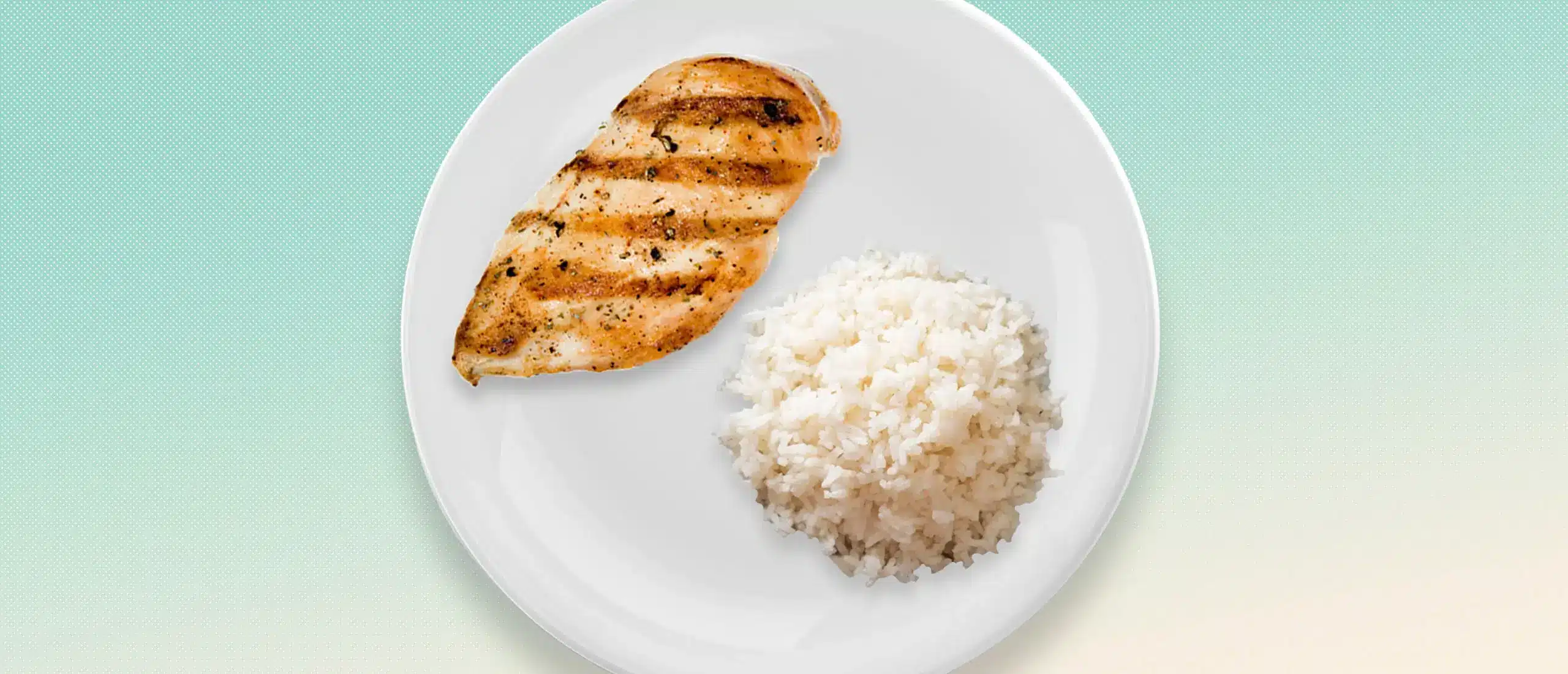
Benefits of Chicken in Weight Loss
Chicken is an excellent source of lean protein. This means it can help build muscle while keeping fat levels low. More muscle can lead to a higher metabolism, which helps burn calories even when at rest.
Besides being low in fat, chicken is also low in calories. A 3-ounce serving of cooked chicken breast contains about 140 calories. This makes it a good option for those aiming to stay within their daily calorie limits.
Another great benefit of chicken is its versatility in meals. It can be cooked in various ways, making it easier to stick to a diet plan. Whether grilled, baked, or boiled, chicken retains its nutritional value.
Chicken is also rich in essential vitamins and minerals, such as B vitamins and phosphorus. These nutrients are crucial for energy production and overall health. Including chicken in your diet can help you stay energized and fit.
Importance of Rice as a Weight Loss Ally
Rice can play a significant role in weight loss when consumed mindfully. It provides essential carbohydrates, which are the body's primary source of energy. Choosing the right type of rice is crucial for maximizing its weight loss benefits.
Types of Rice and Their Nutritional Benefits
Brown rice is a whole grain and retains more nutrients compared to white rice. It is rich in fiber, which helps keep you feeling full for longer periods. This fullness can reduce overall calorie intake, aiding in weight loss.
White rice, on the other hand, has fewer nutrients due to the milling process. However, it still provides quick energy. For those needing a fast energy boost, white rice can be beneficial if eaten in smaller portions.
Wild rice is another excellent option for weight loss. It has a unique nutty flavor and is packed with antioxidants. These properties make it a healthy addition to any diet.
Portion Control and Rice Consumption
Portion control is critical when including rice in a weight loss plan. Eating too much rice can lead to excess calorie consumption. Stick to recommended serving sizes to reap the benefits without overindulging.
A standard serving size for cooked rice is about one cup. Measuring portions can help manage calorie intake effectively. Using smaller plates can also make it easier to control portions.
Pairing rice with vegetables and lean proteins like chicken can create balanced meals. This combination ensures you get all necessary nutrients without extra calories.
Integrating Rice into a Balanced Diet
Incorporating rice into a balanced diet involves variety and moderation. Rice can be part of healthy, low-calorie meals. Pair it with other nutrient-dense foods for a complete meal.
For instance, a stir-fry with rice, vegetables, and lean protein makes a nutritious and satisfying dish. This kind of meal provides fiber, vitamins, and minerals along with the energy from rice. It's also versatile, allowing for countless flavor combinations.
Consuming rice in moderation helps maintain energy levels and supports weight loss efforts. It fits well within a diverse and well-rounded diet.
Pairing Chicken and Rice: A Healthy Combo
Combining chicken and rice creates a well-balanced meal. This pairing offers a mix of protein from the chicken and carbohydrates from the rice. This balance ensures sustained energy levels throughout the day.
Chicken and rice can easily be adapted to suit different dietary needs. For example, you can add vegetables to increase fiber and vitamin intake. Each ingredient complements the other, making the dish more nutritious.
Another benefit is the versatility in preparation methods. You can grill the chicken and cook the rice with herbs for added flavor. This flexibility helps prevent meal fatigue, encouraging healthier eating habits.
When paired together, chicken and rice provide essential amino acids, minerals, and vitamins. This makes it an excellent option for maintaining a balanced diet. A healthy diet supports weight management and overall well-being.
Scientific Research Supporting Chicken and Rice for Weight Loss
Several studies have shown that the combination of chicken and rice can be highly effective for weight loss. One study highlighted that meals rich in lean protein, like chicken, help increase metabolism. This speeds up calorie burning, even when at rest.
Another research found that high-protein diets help reduce hunger and overall calorie intake. Participants consuming meals with chicken felt full longer. This reduced their chances of snacking on unhealthy foods.
Additionally, rice, particularly brown rice, has been linked to positive weight loss outcomes. One study demonstrated that people who ate whole grains, including brown rice, lost more weight than those consuming refined grains. The fiber in brown rice aids digestion and keeps you full.
A combined diet of chicken and rice ensures a balanced intake of essential nutrients. Research also suggests that such diets can help maintain lean muscle mass while losing fat. This is crucial for sustainable weight loss.
Further studies point out that low-calorie, high-protein meals, like those with chicken and rice, support overall health. These meals are not only effective for weight loss but also improve metabolic health. This makes them a reliable option for anyone looking to improve their diet.
A Look at Successful Weight Loss Diets Including Chicken and Rice
Many successful weight loss diets incorporate chicken and rice as key components. For instance, the Mediterranean diet encourages lean proteins like chicken and whole grains such as brown rice. This combination helps in balanced nutrition and steady weight loss.
The Paleo diet is another popular choice that often includes chicken and rice. This diet focuses on natural, unprocessed foods. By avoiding processed foods, you can reduce calorie intake and improve overall health.
The DASH diet emphasizes a variety of foods, including chicken and rice. This diet is designed to combat hypertension but is also effective for weight loss. It promotes heart health while helping shed pounds.
Weight Watchers also features chicken and rice in their meal plans. This method assigns points to foods based on their nutritional value. Chicken and rice score well, making them popular choices.
Finally, the South Beach diet includes chicken and rice in its later phases. While initially reducing carbs, this diet gradually reintroduces them. Brown rice and chicken become staples in this balanced approach.
These diets prove that chicken and rice can fit into various healthy eating plans. They offer flexibility and nutrition, making them reliable for weight loss. Incorporating them can boost your chances of success.
Correct Portion Size and Preparation Methods
Getting the right portion sizes for chicken and rice is crucial for weight loss. Overeating even healthy foods can lead to weight gain. A typical serving size for chicken is about 3 ounces, while a cup of cooked rice is recommended.
Using measuring tools like kitchen scales and measuring cups can help. This ensures you're not accidentally consuming more than intended. Portion control keeps calorie intake in check, aiding in weight loss.
Preparation methods also play a significant role. Grilling, baking, or steaming chicken are great options. These methods avoid added fats and keep the meal healthy.
For rice, cooking it with herbs and vegetables can enhance flavor without extra calories. Avoid frying rice or adding high-calorie sauces. Steamed or boiled rice retains its nutritional benefits.
- Grilling: Adds a smoky flavor without extra fat.
- Baking: Retains moisture and nutrition, using minimal oil.
- Steaming: Keeps the chicken tender and preserves nutrients.
By combining the right portion sizes with healthy preparation methods, you can make chicken and rice a powerful part of your weight loss strategy. Maintaining these practices helps ensure lasting results. This balance leads to a healthier lifestyle and effective weight management.
Myths and Misconceptions about Chicken, Rice, and Weight Loss
One common myth is that all carbs are bad for weight loss. This isn't true, especially when talking about whole grains like brown rice. Brown rice offers essential nutrients and fiber, helping you feel full longer.
Another misconception is that chicken skin must be avoided at all costs. While the skin contains fat, it can be enjoyed in moderation. The key is to balance your overall calorie intake.
Some people believe that eating the same food every day will speed up weight loss. This can actually lead to nutritional deficiencies. A varied diet is crucial for long-term health.
- Mistake: All carbs are bad.
- Mistake: Chicken skin should always be removed.
- Mistake: Eating monotonous meals leads to quicker weight loss.
There's also a belief that portion size doesn't matter if the food is healthy. Overeating any type of food can cause weight gain. It's important to monitor portion sizes.
The last myth is that cooking methods don't impact nutrition. Frying chicken or rice adds unnecessary calories and fats. Instead, opt for grilling, baking, or steaming to maintain their health benefits.
Additional Tips for Weight Loss Success with Chicken and Rice
First, focus on meal prep to stay consistent with your diet. Planning your meals in advance helps control portion sizes and ingredients. It reduces the temptation to reach for unhealthy options.
Incorporate a variety of vegetables with your chicken and rice. This adds necessary vitamins and minerals without many extra calories. Leafy greens, bell peppers, and carrots are excellent choices.
Stay hydrated by drinking plenty of water throughout the day. Sometimes thirst is mistaken for hunger, leading to overeating. Aim for at least eight glasses a day to stay on track.
Regular physical activity is key to any weight loss plan. Combine your healthy eating habits with exercise. Simple activities like walking or cycling can make a significant difference.
Lastly, listen to your body and adjust your diet as needed. If you feel constantly hungry or tired, you may need to tweak your portion sizes or food choices. Finding the right balance is essential for long-term success.
Frequently Asked Questions
Chicken and rice are often discussed in the context of weight loss. Here, we address some common questions to provide a clearer understanding.
1. Can eating chicken every day help with weight loss?
Eating chicken daily can aid weight loss if portion sizes and cooking methods are controlled. Chicken provides lean protein without many calories, helping you feel full longer.
However, it's essential to vary your diet for overall health. Mixing chicken with different vegetables and whole grains ensures you get a balanced intake of vitamins and nutrients while supporting weight loss goals.
2. What type of rice is best for losing weight?
Brown rice is generally considered better for weight loss compared to white rice. It has more fiber, which helps keep you full longer and aids digestion.
The nutrient-rich profile of brown rice ensures essential minerals like magnesium and potassium are included in your diet. This can support metabolic health and facilitate steady weight loss.
3. How do preparation methods affect the nutritional value of chicken and rice?
The way you cook chicken and rice significantly impacts their nutritional value. Grilling or baking chicken preserves nutrients without adding extra fat.
Likewise, boiling or steaming rice retains most of its beneficial properties while avoiding added fats from frying or sautéing. Healthy preparation methods help maintain the dishes' effectiveness as part of a weight-loss plan.
4. Are there any risks associated with eating too much chicken and rice?
A diet overly reliant on chicken and rice may lead to nutritional imbalances, missing out on other vital nutrients found in varied food sources. Excessive consumption could also lead to an overload of certain macronutrients like protein or carbs.
Diversifying your diet with fruits, vegetables, legumes, and other protein sources can mitigate these risks. Balance is key to maintaining both effective weight loss and overall health.
5. Can incorporating spices enhance the benefits of chicken and rice for weight loss?
Adding spices not only enhances flavor but can also boost metabolism, aiding in weight loss. Spices like turmeric, black pepper, and ginger have been shown to have thermogenic properties that promote calorie burning.
This makes meals more enjoyable without adding significant calories or unhealthy fats. Using herbs like cilantro or parsley can offer additional vitamins while keeping the dish healthy and aligned with your dietary goals.
Conclusion
Incorporating chicken and rice into your diet can be an effective strategy for weight loss. Their balanced nutritional profile offers a mix of protein and carbohydrates. This helps maintain energy and muscle mass, crucial for long-term success.
However, it’s essential to consider portion sizes and preparation methods. Diversifying your diet with vegetables and other nutrient-rich foods will ensure you get a well-rounded intake of vitamins and minerals. Pairing these practices with regular physical activity can maximize your weight loss efforts.
