Can Donating Plasma Cause Weight Loss?
Picture a scenario where a simple act like donating plasma could potentially help manage your weight. The connection between donating plasma and weight loss is intriguing, yet it's not as straightforward as it seems. Experts and researchers have examined the physiological responses involved in plasma donation to determine such claims.
Historically, plasma donation has been a subject of extensive study, but primarily for its medical benefits rather than weight management. While it is true that the act of donating plasma burns a small number of calories, this is not significant enough to cause noticeable weight loss. The body replenishes plasma fairly quickly, negating the minimal calorie deficit created during the process.
The Concept of Donating Plasma for Weight Loss
The idea that donating plasma can cause weight loss stems from a common misunderstanding. While it is true that the process burns a small amount of calories, it is not enough to lead to significant weight loss. This belief can lead to misconceptions about healthy weight management.
Plasma donation primarily benefits individuals who require plasma for medical treatments. It is a generous act that helps save lives. Weight loss should not be the motivation behind this altruistic gesture.
Plasma is the liquid part of blood that carries cells and nutrients. When you donate plasma, your body works to restore the lost volume, burning some calories in the process. However, these calories are easily replaced with the food and fluids you consume after donation.
Instead of viewing plasma donation as a weight loss method, it's better to focus on proper diet and regular exercise. This ensures sustainable and healthy weight loss. Donating plasma should remain a noble act of helping others rather than a weight control strategy.
Understanding Plasma Donation
Plasma donation is a process where the liquid part of your blood, called plasma, is collected and used for medical treatments. Plasma is vital since it carries cells, proteins, and other substances throughout your body. It plays a crucial role in clotting and providing immunity.
Donating plasma involves separating plasma from the blood cells. The blood cells are then returned to your body, while the plasma is stored for medical use. This ensures only the necessary part is taken, making it a safe process.
Plasma donation can be life-saving for patients with clotting disorders or immune system issues. It is also used in treating burns and shock. Your donation can make a huge difference in someone's life.
The process is regulated and involves rigorous screening to ensure donor and patient safety. Donors are required to meet certain health criteria, ensuring that the plasma collected is safe and effective.
The Procedure of Plasma Donation
The donation process begins with a thorough health screening. This includes a questionnaire about your medical history and a brief physical exam. These steps are crucial to determine your eligibility for donation.
Once cleared, a needle is inserted into a vein in your arm. Blood is drawn out and passed through a machine that separates the plasma. Typically, the process takes about an hour.
After the plasma is collected, the blood cells and other components are returned to your body. You are usually advised to rest and hydrate. Most people feel fine after donating.
Health Benefits and Risks of Plasma Donation
One benefit of plasma donation is that it can boost your body's regeneration process. Your body works to quickly replace the plasma lost, which can have a revitalizing effect. This regeneration process is generally safe and healthy.
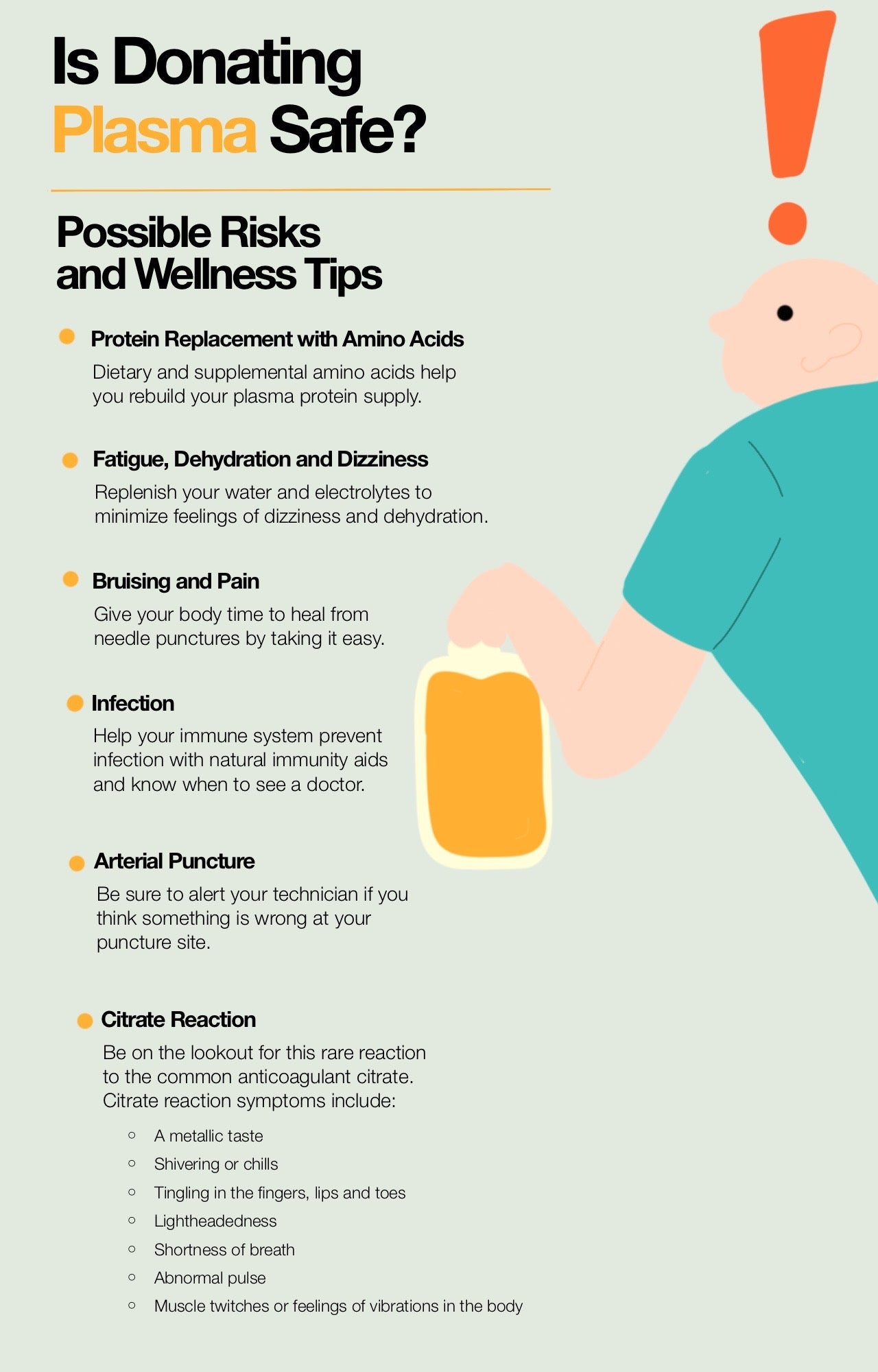
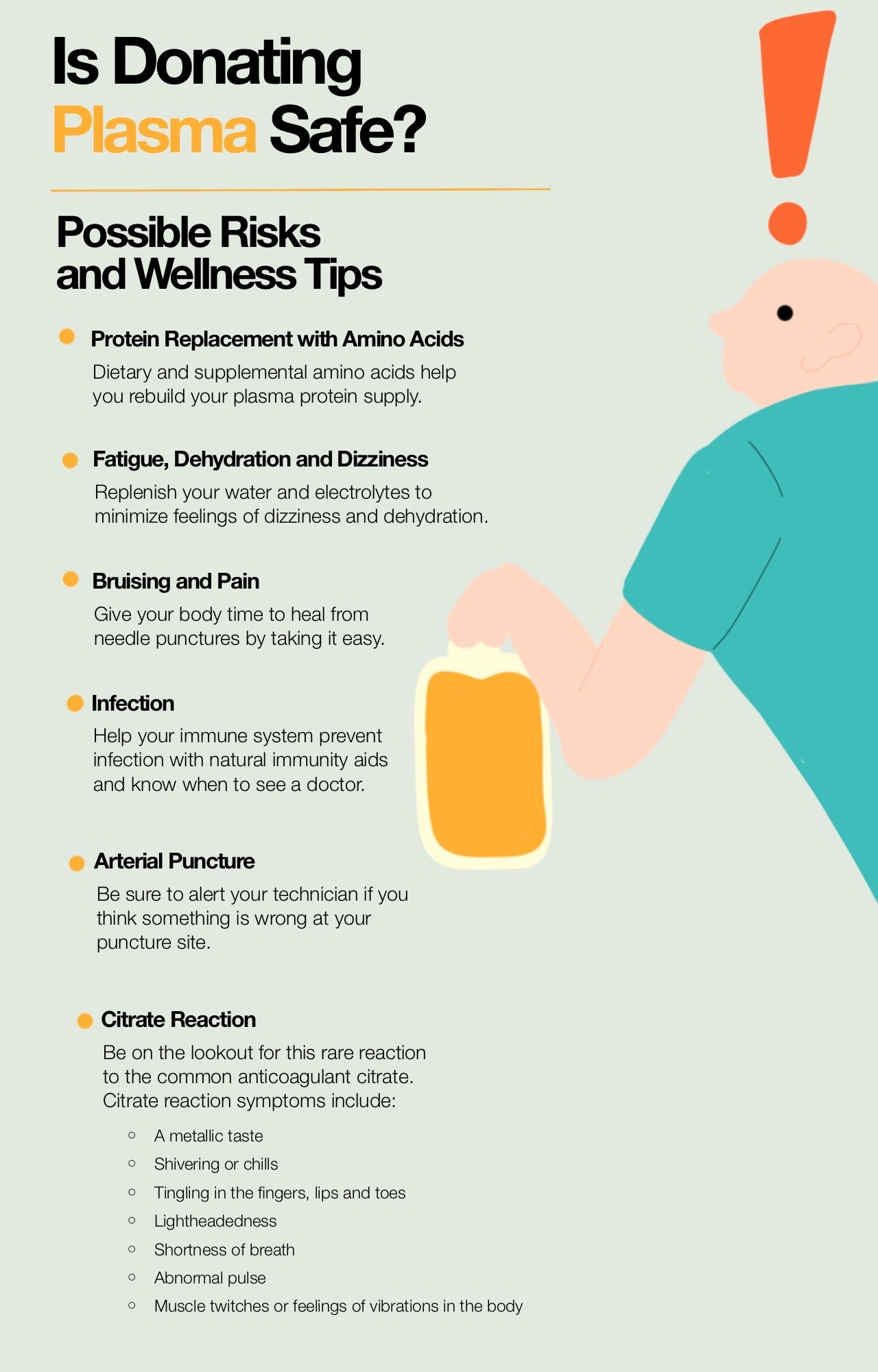
Minor side effects can include dizziness or light-headedness. These are often temporary and can be mitigated by resting and drinking fluids. Ensuring you are well-hydrated before the donation can help reduce these effects.
Some people might experience bruising or discomfort at the needle site. Experienced medical staff are trained to minimize this risk. Most donors find the process straightforward and rewarding.
Who Can Donate Plasma?
There are specific criteria you must meet to be eligible to donate plasma. Generally, donors should be in good health, weigh at least 110 pounds, and be between 18 and 69 years old. Meeting these criteria ensures the safety and effectiveness of the plasma collected.
Certain health conditions, like recent surgeries or chronic illnesses, can disqualify you from donating. It is crucial to be honest in the screening process to protect both yourself and recipients. Your transparency helps maintain the quality of collected plasma.
Donors can typically give plasma multiple times, often up to twice a week. This frequency is monitored to ensure donor health and well-being. Regular donors play a significant role in maintaining plasma supplies.
Calories Burned During Plasma Donation
The process of donating plasma does involve some calorie expenditure. On average, a person can burn around 450 to 650 calories per donation session. This is roughly equivalent to the calories burned during a light workout.
However, the calorie burn is not enough to significantly impact overall weight loss. Most of the calories come from your body working to replace the plasma collected. Therefore, it is not a reliable method for weight management.
After donation, your body begins the process of replacing the lost plasma. This regeneration process uses energy, burning a small number of calories. It's a natural part of the body's healing mechanism.
Donating plasma should not be viewed as a weight loss strategy. It is more important to focus on a balanced diet and regular exercise for sustainable weight management. Plasma donation remains a valuable act for saving lives, not for burning calories.
The Aftermath of Plasma Donation and Body Response
Immediately after donating plasma, it’s normal to feel a bit tired or light-headed. This is because your body has lost some fluid and is adjusting to the change. Hydrating well post-donation can help alleviate these symptoms.
Your body starts to regenerate the lost plasma almost immediately. This process typically takes about 48 hours. It's a natural healing mechanism that ensures your body returns to its normal state.
Most people can resume their regular activities shortly after donating. It's advised to take it easy for the rest of the day. Listening to your body is key during this recovery period.
There are rare cases where individuals might experience minor bruising or discomfort at the needle site. Applying a cold pack can help reduce any swelling or pain. These side effects usually subside quickly.
For those who donate regularly, the body gets used to the donation process. They may even experience fewer side effects over time. Regular plasma donors play a crucial role in maintaining plasma supplies.
In the long run, plasma donation does not deplete your body's resources. Your body is well-equipped to handle the minor loss of plasma and recovers efficiently. It's a safe process when done following medical guidelines.
Factors Influencing Weight Loss
Several factors impact a person’s ability to lose weight. Genetics play a significant role in how your body stores and burns fat. Your metabolic rate also influences weight loss success.
Diet is one of the most critical components. A balanced diet rich in fruits, vegetables, and lean proteins supports weight loss. Avoiding sugary and high-fat foods can make a big difference.
Physical activity is another crucial factor. Regular exercise helps burn calories and build muscle. Even simple activities like walking or biking can be effective.
Sleep and stress levels also affect weight loss. Lack of sleep can interfere with your body’s metabolism. High stress can lead to emotional eating, complicating weight loss efforts.
Hydration is often overlooked but equally important. Drinking enough water aids digestion and helps you feel full. Replacing sugary drinks with water is a simple way to reduce calorie intake.
Consistency and patience are key in any weight loss journey. Sustainable habits are more effective than quick fixes or extreme diets. Long-term changes in lifestyle yield better results.
Healthy and Effective Ways to Lose Weight
Achieving weight loss in a healthy way involves a combination of several strategies. A balanced diet is key to providing necessary nutrients while cutting calories. Including plenty of fruits, vegetables, and lean proteins in your meals helps maintain overall health.
Exercise plays a crucial role in burning calories and building muscle. Incorporating both cardio and strength training in your routine can yield better results. Consistency in physical activity is vital for sustained weight loss.
Staying hydrated aids in managing hunger and supports metabolic functions. Drinking water instead of sugary beverages can significantly reduce calorie intake. Aim to drink at least 8 glasses of water a day for optimal results.
Monitoring your sleep patterns is essential as well. Getting at least 7-8 hours of sleep each night helps regulate hormones that control hunger. Proper sleep supports weight management and overall well-being.
Mental health should also be a focus. Stress can lead to overeating or poor food choices. Practicing relaxation techniques like meditation or yoga can help manage stress levels.
Maintaining a consistent schedule for meals and exercise is important. This can help establish a routine and make healthy habits a part of daily life. Long-term commitment to these habits fosters sustainable weight loss.
The Implications of Misconceptions around Plasma Donation and Weight Loss
Mistaken beliefs about plasma donation and weight loss can lead to unhealthy practices. Some may think donating plasma can be a quick fix for shedding pounds. This notion is not just false but also potentially harmful.
Relying on plasma donation for weight loss might divert attention from healthier methods. People could neglect essential practices like balanced eating and exercise. Such negligence can negatively impact overall health.
These misconceptions can cause some to donate plasma more frequently than recommended. Over-donation might stress the body and lead to adverse health effects. It's crucial to follow medical guidelines regarding donation frequency.
The primary goal of plasma donation is to help those in need, not weight management. Emphasizing this point helps maintain the integrity of the process. It ensures that donations are altruistic rather than self-serving.
Spreading accurate information is essential in correcting misconceptions. Educating people on the true benefits of plasma donation promotes responsible behavior. A well-informed public is more likely to engage in healthy practices.
- Stick to official guidelines for donation frequency
- Focus on sustainable weight loss methods like diet and exercise
- Recall that your plasma donations save lives
Supporting Scientific Research and Studies
Scientific research has been crucial in exploring the link between plasma donation and weight loss. Current studies reveal that the calories burned during plasma donation are minimal. They are not enough to cause significant weight loss.
Research also emphasizes the importance of understanding the body's response post-donation. Most of the burned calories come from the body's effort to replenish lost plasma. This natural regeneration negates the idea of plasma donation as a weight loss method.
Studies have consistently shown that effective weight loss involves a combination of diet and exercise. Plasma donation, while beneficial for medical purposes, should not be considered a weight management strategy. Relying on plasma donation alone is not supported by scientific evidence.
Ongoing research continues to monitor the health impacts of regular plasma donation. The focus is on ensuring safety for both donors and recipients. These studies help refine guidelines and improve the donation process.
- Studies confirm calorie burn during plasma donation is minor
- Effective weight loss relies on diet and exercise
- Research ensures the safety and efficacy of plasma donation
Support for scientific research in this area is essential. It not only clarifies misconceptions but also enhances medical practices. Accurate information helps guide safe and effective health behaviors.
Frequently Asked Questions
Plasma donation is a crucial medical procedure, often surrounded by questions and myths. Here, we address some common queries to provide clarity and understanding.
1. How often can a person donate plasma?
A person can donate plasma up to twice a week, with at least 48 hours between donations. This frequency allows the body enough time to replenish the plasma safely.
The donor's health must be monitored to ensure they meet the eligibility criteria for each donation. Regular donors are essential for maintaining plasma supplies but must adhere to medical guidelines.
2. What are the main uses of donated plasma?
Donated plasma is used in various treatments, including clotting disorders, immune deficiencies, and burn care. It also plays a role in creating therapies for chronic illnesses.
The demand for plasma is high because it can save lives in emergency situations and treat serious medical conditions. Hospitals rely on regular donations to meet patient needs.
3. Is it safe to donate plasma during pregnancy?
No, pregnant women are not allowed to donate plasma due to potential risks to both mother and fetus. The body's increased need for blood components during pregnancy makes donation unsafe.
Pregnant women should focus on their health and wait until after childbirth before considering plasma donation. Consulting healthcare providers for personalized advice is always recommended.
4. Does donating plasma affect your immune system?
Generally, donating plasma does not have a long-term impact on your immune system if you are healthy and follow guidelines. Your body quickly regenerates the lost plasma without significant issues.
However, donating too frequently or when you're not in good health can temporarily weaken your immunity. Always adhere to recommended intervals and consult healthcare professionals if you feel unwell post-donation.
5. Can I exercise after donating plasma?
Mild exercise is generally okay after donating plasma as long as you listen to your body’s signals. Feeling light-headed might be common due to temporary fluid loss; staying hydrated helps mitigate this effect.
Avoid strenuous workouts immediately after the donation; rest recommendations vary individually based on personal health circumstances. Check with healthcare professionals if unsure about post-donation activities or specific conditions impacting recovery pace effectively evaluated against standardized metrics continually maintained diligently!
Conclusion
Understanding the true impacts of plasma donation is essential for making informed decisions. While it offers invaluable medical benefits, it is not an effective weight loss method. Misconceptions can lead to unhealthy practices and should be addressed through accurate information.
Plasma donation remains a noble act, primarily aimed at saving lives. Focusing on a balanced diet and regular exercise is crucial for sustainable weight management. Adhering to medical guidelines ensures the safety and effectiveness of both plasma donations and personal health practices.
