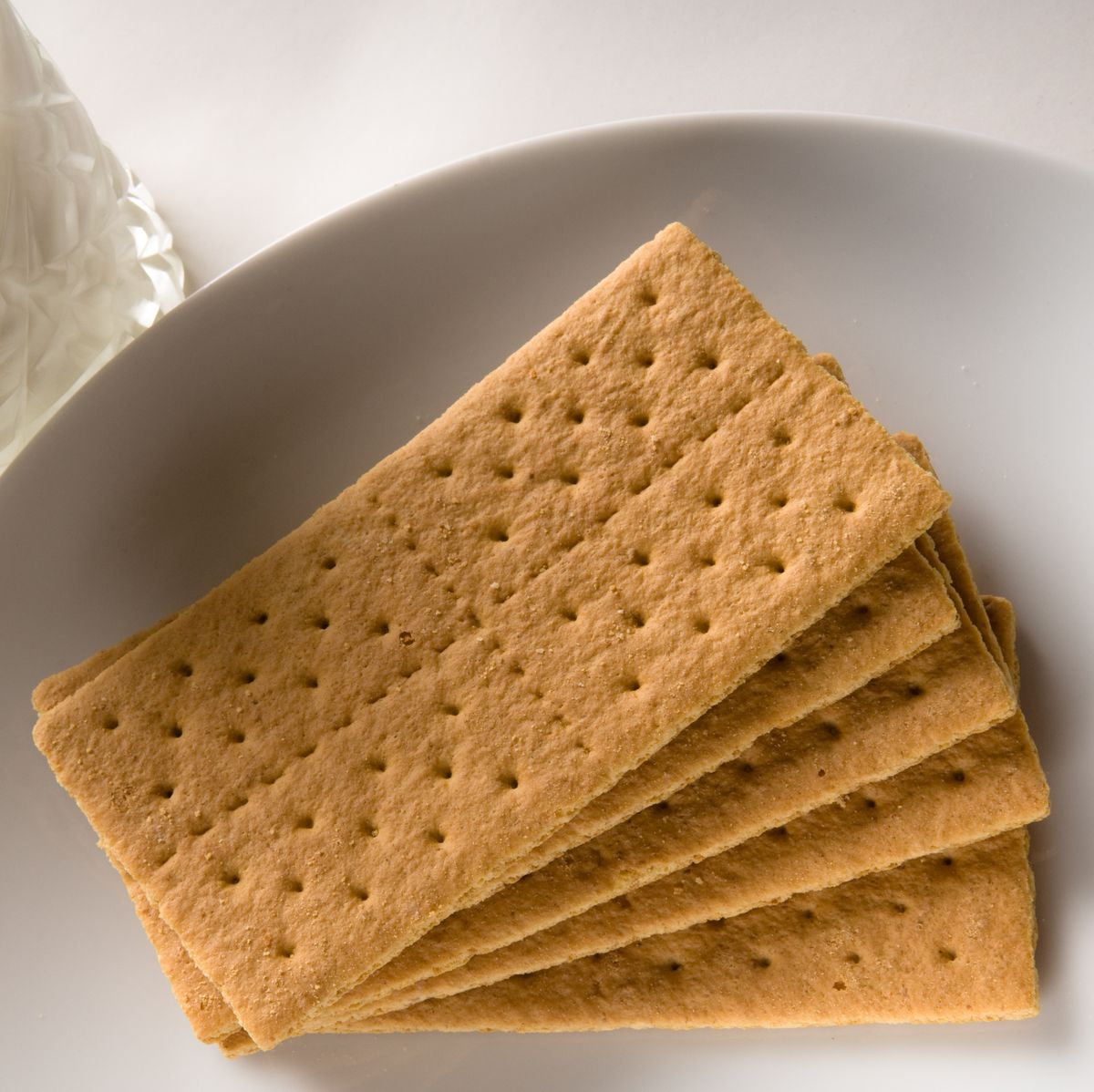
Are Graham Crackers Good For Weight Loss?
Graham crackers, originally created as part of a dietary regimen to curb desires and promote healthy living, are often perceived as a healthier snack option. But are they effective for weight loss? Understanding the nutritional profile of these tasty treats can offer surprising insights into their role in a balanced diet.
Graham crackers were invented in the early 19th century by Sylvester Graham, who advocated for whole grain products. Despite their humble beginnings, modern versions often contain added sugars and refined flours. Statistically, an average serving contains around 130 calories, making them a less ideal choice for those strictly monitoring their caloric intake for weight management. Instead of relying on them as a weight-loss tool, they should perhaps be considered an occasional indulgence.
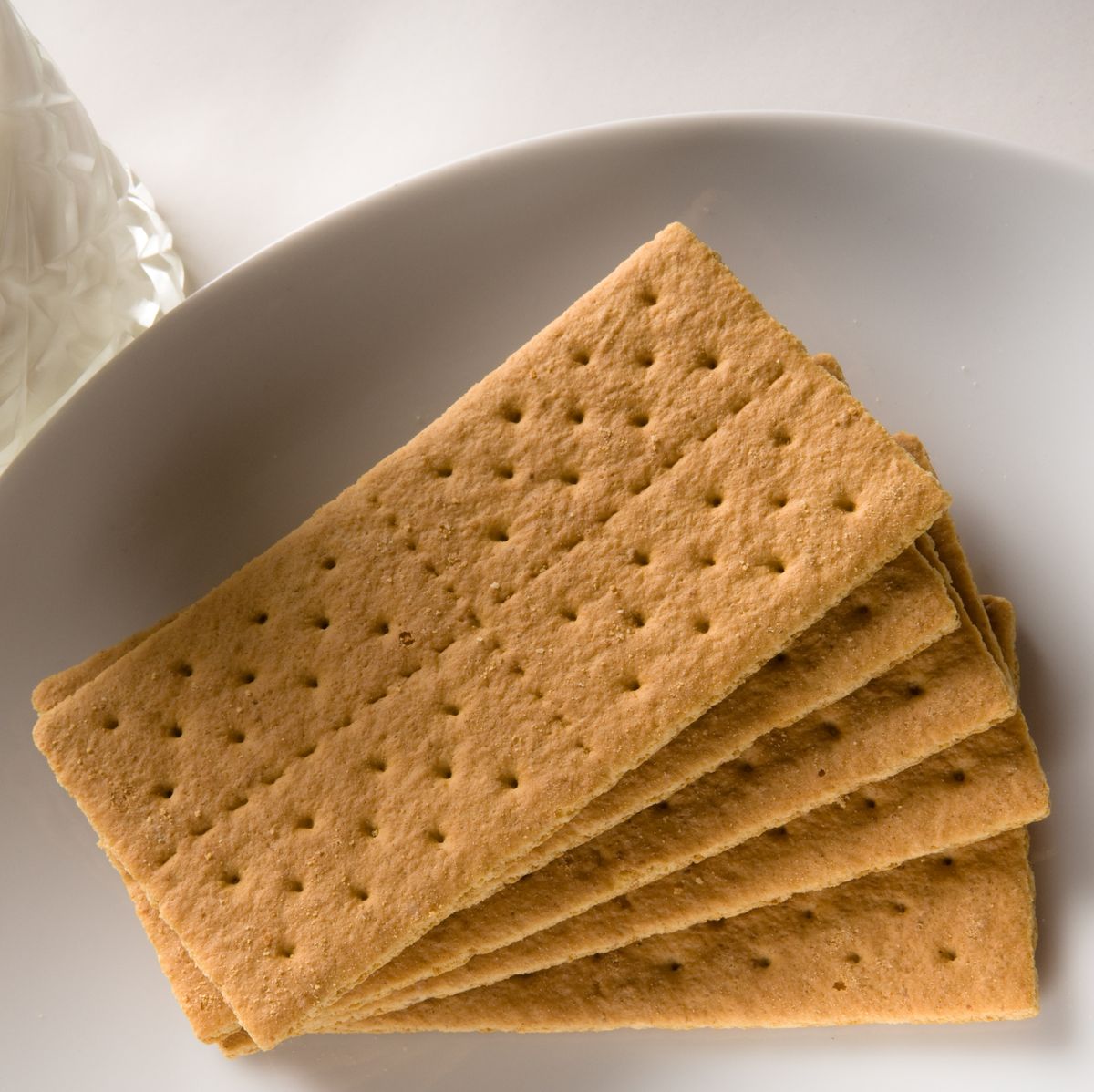
Origins of Graham Crackers
Graham crackers were created in the early 19th century by a man named Sylvester Graham. He was a Presbyterian minister who had strong beliefs about diet and health. His goal was to promote a lifestyle that emphasized whole grains and natural eating.
Sylvester Graham believed that consuming whole grain products could help people lead healthier lives. At the time, many people were eating processed and refined foods, which he thought were harmful. He introduced graham flour, made from unbleached wheat, which became the main ingredient in graham crackers.
The original recipes for graham crackers were quite simple. They were made from graham flour, water, and a little bit of honey or molasses for sweetness. These crackers were not meant to be a tasty snack but rather a wholesome food option.
Over the years, graham crackers evolved from their humble beginnings. Modern versions often include added sugars and flavors to make them more appealing. Despite these changes, they remain a popular snack and a staple in many households.
Composition of Modern Graham Crackers
The composition of modern graham crackers has changed significantly from the original recipe. While they still contain graham flour, many brands now include added sugars and oils to enhance their taste. These changes make them more appealing but also alter their nutritional profile.
Main Ingredients
Modern graham crackers typically consist of graham flour, refined flour, and sugar. Some brands also add honey for a touch of sweetness. Additionally, oils and leavening agents are often used to improve texture and appearance.
Here's a common list of ingredients:
- Graham flour
- White flour
- Sugar
- Vegetable oil
- Honey
- Leavening agents (baking soda, etc.)
Nutritional Content
The nutritional content of these crackers can vary widely. A typical serving might contain around 130 calories, with a mix of carbohydrates, fats, and minimal protein. The added sugars can lead to higher calorie counts, making them less ideal for weight loss.
Nutritional Information:
| Component | Amount (per serving) |
|---|---|
| Calories | About 130 |
| Carbohydrates | 22g |
| Fats | 4g |
| Proteins | 2g |
Health Considerations
With the addition of refined sugars and oils, modern graham crackers are not as healthy as initially intended. These ingredients can contribute to higher calorie intake. It's crucial to read labels and be mindful of portion sizes when incorporating them into your diet.
Opting for crackers with fewer additives can make a difference. Exploring homemade recipes might also offer healthier alternatives.
Nutritional Value of Graham Crackers
Graham crackers might seem like a healthy snack, but their nutritional value can be surprising. A standard serving of graham crackers, usually about two full sheets, contains around 130 calories. This is accompanied by a mix of carbohydrates, fats, and proteins.
The primary energy source in graham crackers comes from carbohydrates. Each serving typically provides about 22 grams of carbs, primarily from sugars and refined flour. This makes them a quick source of energy, but not the best choice for sustained nutrition.
Fat content in graham crackers is relatively low, around 4 grams per serving. However, these fats often come from added oils, which may not be the healthiest. It's important to note that the protein content is minimal, contributing just 2 grams per serving.
Graham Crackers Nutritional Breakdown:
| Component | Amount (per serving) |
|---|---|
| Calories | 130 |
| Carbohydrates | 22g |
| Sugars | 8g |
| Fats | 4g |
| Proteins | 2g |
| Fiber | 1g |
In terms of vitamins and minerals, graham crackers offer minimal benefits. They do not provide significant amounts of essential nutrients like vitamins A or C, iron, or calcium. While they can be a tasty snack, it's crucial to enjoy them in moderation within a balanced diet.
Graham Crackers in a Balanced Diet
Incorporating graham crackers into a balanced diet can be tricky but possible. While they aren't the most nutrient-dense food, they can still be enjoyed in moderation. The key is to balance their consumption with healthier food choices.
Pairing graham crackers with nutrient-rich foods, like fruit or yogurt, can make for a more balanced snack. This not only adds vitamins and minerals but also helps keep you full longer. Their slightly sweet taste complements many healthier options.
It's important not to overconsume graham crackers. While they provide a quick energy boost with their sugars and carbs, excessive intake can contribute to weight gain. Portion control is crucial to maintaining a balanced diet while enjoying these treats.
Using graham crackers creatively can help fit them into a balanced diet. For instance, crushing them as a topping for oats or yogurt adds texture and flavor without excessive calories. You can also use them in small amounts for desserts, making indulgences healthier.
Monitoring your intake of graham crackers can help maintain a balanced diet. Pay attention to the serving size and try to limit their frequency. Balancing them with other food groups, like proteins and vegetables, is essential.
Healthy snack combinations:
- Graham crackers with almond butter and banana slices
- Graham crackers crumbled over Greek yogurt with berries
- A small serving of graham crackers with a piece of dark chocolate
Graham Crackers and Calorie Counting
Counting calories is essential for those looking to manage their weight. Graham crackers can fit into a calorie-controlled diet if consumed carefully. A standard serving usually has around 130 calories, which is moderate for a snack.
Watching portion sizes enhances calorie tracking. It's easy to eat more than a single serving, especially if you're not paying attention. Measuring out portions can help you stay within your daily calorie limits.
Comparing graham crackers to other snacks is useful when counting calories. For example, a serving of graham crackers has similar calories to a medium apple or a small handful of almonds. This helps you decide which snack fits your goals best.
Here's a quick comparison of common snacks:
| Snack | Calories (per serving) |
|---|---|
| Graham crackers | 130 |
| Apple | 95 |
| Almonds (1 oz) | 160 |
| Greek yogurt (plain, 6 oz) | 100 |
Incorporating graham crackers into meals can also help manage calorie intake. Use them as a part of a balanced breakfast or lunch. This method ensures you stay within your daily limits without feeling deprived.
Mixing graham crackers with lower-calorie foods can enhance their nutritional value. Combining them with fruits, nuts, or low-fat dairy provides additional nutrients. This approach turns a simple snack into a well-rounded mini-meal.
Weight Loss and Snacking
Snacking can be a double-edged sword when it comes to weight loss. Choosing the right snacks is crucial to stay within your calorie goals. Healthy snacking can help you feel fuller and reduce the temptation to overeat during meals.
One strategy is to opt for snacks with high nutritional value. Foods rich in fiber and protein can keep you satisfied longer. Some good options include vegetables, fruits, and nuts.
Here are some weight-loss-friendly snacks:
- Carrot sticks with hummus
- Apple slices with almond butter
- Greek yogurt with fresh berries
Mindful snacking is another effective tactic. Pay attention to portion sizes and avoid eating straight from the bag. Using smaller dishes can help control the amount you eat.
Combining graham crackers with healthier foods is also a smart move. Pair them with a small serving of low-fat cheese or a handful of nuts. This combination can satisfy your sweet tooth while providing essential nutrients.
Staying hydrated is important during snacking as it helps control hunger levels. Sometimes, a glass of water can be more satisfying than a sugary snack. Always have a bottle of water handy to sip throughout the day.
The Concept of 'Empty Calories' and Graham Crackers
'Empty calories' refer to foods that have lots of calories but offer little nutritional value. Graham crackers often fall into this category. While they might taste good and provide quick energy, they lack essential vitamins and minerals.
Most modern graham crackers contain added sugars and refined flours. These ingredients boost the calorie count without adding significant nutrients. Consuming too many empty calories can contribute to weight gain and other health issues.
To understand the concept better, here is a comparison:
| Food Item | Calories | Nutrients |
|---|---|---|
| Graham Crackers (serving) | 130 | Low in vitamins, some sugar |
| Apple (medium) | 95 | High in fiber, vitamins A & C |
| Soda (12 oz) | 150 | No nutrients, high in sugar |
Avoiding empty calories doesn't mean cutting out snacks altogether.
If you love graham crackers, try pairing them with more nutritious foods. Combine them with fruit or low-fat dairy to ensure you're getting more balanced nourishment. This way, you can enjoy your snack while also gaining important nutrients.
Minding portion sizes can also help manage the intake of empty calories. Eat just one or two pieces instead of half a box. Being mindful makes it easier to keep your diet balanced and healthy.
Moderation in Incorporating Graham Crackers Into a Diet
Moderation is key when it comes to including graham crackers in a weight-loss diet. While they can be a tasty treat, eating them excessively can add too many calories to your daily intake. It's best to enjoy them sparingly to keep your diet balanced.
Pairing graham crackers with other healthy foods can make them more nutritious. For example, you can have a small portion with a serving of fruit or low-fat yogurt. This combination adds vitamins and minerals to your snack, making it more balanced.
Understanding portion sizes is crucial for moderation. Instead of eating directly from the box, divide a serving size into a small bowl. This helps you manage how much you consume, keeping your calorie count in check.
Planning your snacks in advance can also help with moderation. Decide when and how you'll enjoy graham crackers during the week. This tactic prevents impulsive snacking and helps you stick to your dietary goals.
Examples of balanced snack pairings:
- One graham cracker sheet with a handful of berries
- A half serving of graham crackers with a small apple
- Graham crackers broken into small pieces and mixed with plain Greek yogurt
Staying aware of your overall diet is essential. If you enjoy a treat like graham crackers, balance it by eating lighter during other meals. By doing so, you can savor your favorite snacks without derailing your weight-loss plan.
Frequently Asked Questions
Graham crackers are a popular snack enjoyed by many. Here are some questions and answers to understand their role in diet and nutrition better.
1. What is the main ingredient in graham crackers?
The primary ingredient in traditional graham crackers is graham flour, which is made from whole grain wheat. This type of flour was emphasized by Sylvester Graham, who created these crackers to promote healthier eating.
Modern versions may include refined flour along with added sugars and oils. While this makes them tastier, it also reduces the nutritional benefits originally intended by their creator.
2. Can graham crackers be part of a healthy diet?
Yes, but they should be consumed in moderation as they contain added sugars and fats. Pairing them with nutrient-dense foods like fruits or low-fat yogurt can make them more balanced within a healthy diet.
Using portion control helps maintain a balanced intake while enjoying these snacks. Reading labels can guide you to brands with fewer additives for a healthier choice.
3. How do modern graham crackers differ from the original recipe?
The original recipe for graham crackers used graham flour, water, and honey or molasses. Modern versions often add refined flour, sugars, and oils to enhance taste and texture.
This modification makes modern graham crackers less nutritious than their predecessors. It's essential to check ingredient lists if you're aiming for a healthier option.
4. Are there any nutritional benefits of eating graham crackers?
Graham crackers provide quick energy due to their carbohydrate content but lack significant vitamins and minerals. They offer minimal nutrients compared to whole foods like fruits or vegetables.
If eaten occasionally and paired with more nutritious foods, they can still fit into a balanced diet without negatively impacting overall health.
5. How many calories are in a serving of graham crackers?
A typical serving of two full sheets of graham crackers contains around 130 calories. These calories come mainly from carbohydrates and some added sugars.
This moderate calorie count makes them easy to overconsume if not mindful about portion sizes.Remember that calories should come from diverse food sources for a well-rounded diet..
Conclusion
Incorporating graham crackers into a weight-loss diet requires careful moderation. While they offer a quick source of energy and can be paired with healthier foods, their added sugars and refined flours make them less ideal for regular consumption. Understanding their nutritional profile can help make informed decisions about their place in your diet.
Enjoying graham crackers occasionally can satisfy cravings without derailing weight-loss efforts. The key is to balance them with other nutrient-dense foods and practice portion control. By doing so, you can indulge responsibly while maintaining a healthy, balanced diet.
