Does Frequent Urination Mean Weight Loss?
Can frequent urination be a sign of something more than just a full bladder? This question often perplexes individuals who notice a sudden increase in their trips to the restroom. Proven to correlate with some health concerns, it’s important to delve deeper into whether there’s a link between frequent urination and weight loss.
Historically, frequent urination has been associated with conditions such as diabetes, where the body tries to flush out excess glucose. According to the Mayo Clinic, one of the symptoms of diabetes mellitus is both increased urination and sudden weight loss. While these symptoms may coexist, identifying the root cause is crucial for proper diagnosis and treatment.
Understanding Frequent Urination
Frequent urination is a condition where a person needs to pee more often than usual. This can be caused by several factors. It might be due to drinking a lot of fluids or an underlying health issue.
Normal urination frequency varies from person to person. Some might need to go more often, while others less frequently. Understanding your regular pattern is important.
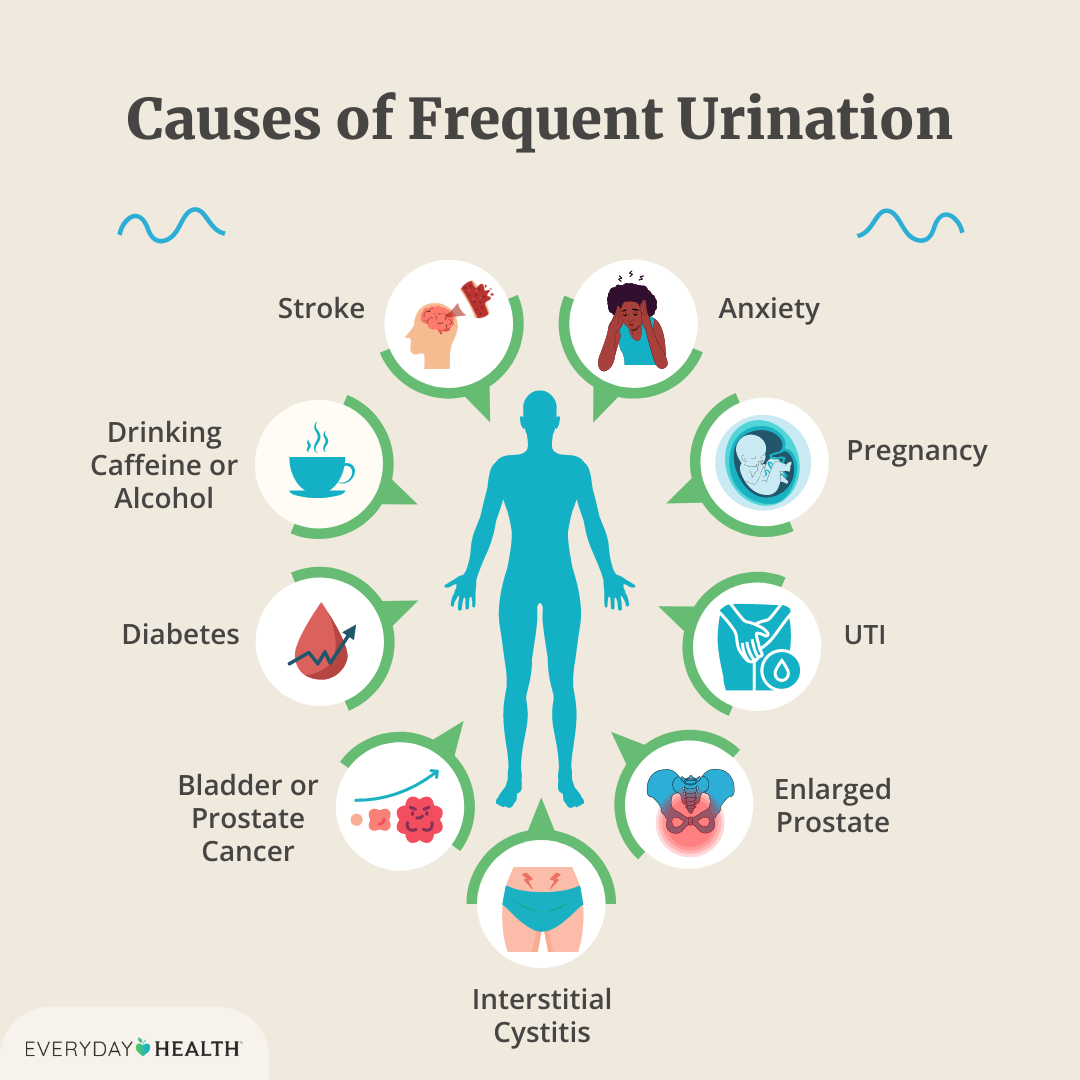
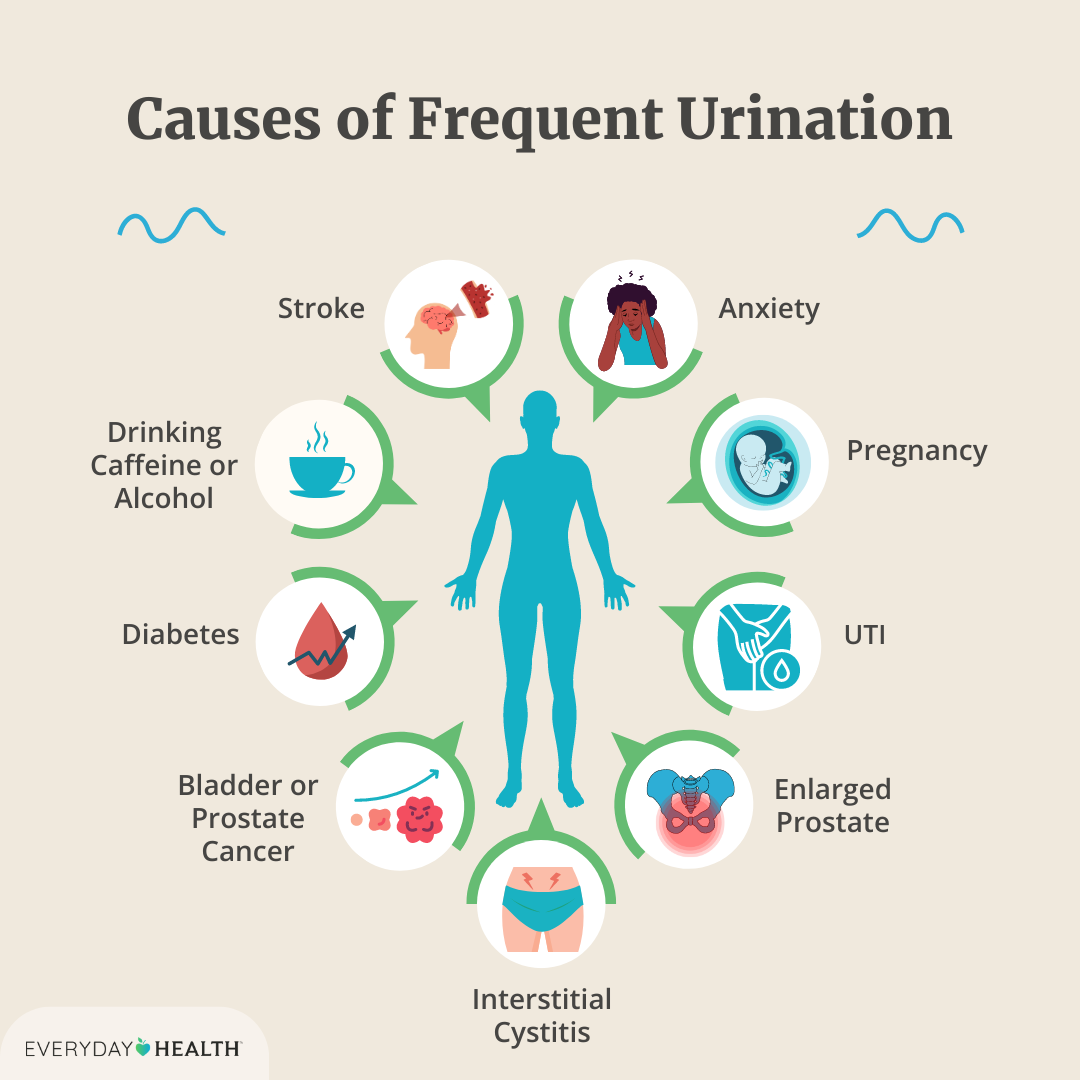
There are various potential causes of frequent urination. Some common ones include drinking caffeine or alcohol, which are diuretics. Additionally, certain medications can increase urine production.
If frequent urination is accompanied by pain or discomfort, it could signal an infection or other medical condition. It's wise to consult a doctor if you're unsure. Paying attention to changes in your urination habits can help in early diagnosis.
The Correlation Between Frequent Urination and Weight Loss
Frequent urination and weight loss often go hand in hand, especially in certain medical conditions. Understanding this connection can help in identifying underlying health issues. Knowing why they occur together is crucial.
Common Conditions Linking Both Symptoms
One of the most common conditions that link frequent urination and weight loss is diabetes. When blood sugar levels are high, the body tries to eliminate excess glucose through urine. This process can also lead to unexpected weight loss.
Another condition to consider is hyperthyroidism. In this case, the thyroid gland produces excessive hormones, speeding up metabolism. This can cause both symptoms.
Other potential causes include infections and certain cancers. These conditions may also present with these symptoms, requiring thorough evaluation by a healthcare professional.
The Role of Proper Diagnosis
Proper diagnosis is essential to determine the cause of frequent urination and weight loss. Ignoring these symptoms can be harmful. It is important to seek medical advice early.
Doctors may use various tests to identify the root cause. These can include blood tests, urine tests, and imaging studies. Finding the exact cause guides effective treatment.
Accurate diagnosis helps in managing symptoms more effectively. This reduces the risk of complications and improves overall health. Timely medical intervention plays a key role.
Treatment Options and Lifestyle Changes
Treatment options vary depending on the diagnosed condition. For diabetes, managing blood sugar levels is crucial. This might involve medication, diet changes, and regular monitoring.
In cases of hyperthyroidism, treatment could include medications or surgery. Adjustments in lifestyle can also help manage symptoms. Regular exercise and a balanced diet contribute positively.
Adopting a healthy lifestyle can prevent many underlying causes of these symptoms. Regular check-ups and early detection improve health outcomes. Staying informed and proactive is beneficial.
Exploring Diabetes as a Common Cause
Diabetes is a widespread condition that often leads to both frequent urination and weight loss. High blood sugar levels force the kidneys to work harder to filter and absorb the excess glucose. This results in increased urination.
The more you urinate, the more fluids you lose. This can lead to dehydration, which might contribute to unintended weight loss. Your body is trying to get rid of excess sugar, leading to the loss of calories.
People with diabetes may also experience fatigue and constant hunger. Despite eating more, they might still lose weight. This is because the body cannot use sugar effectively for energy.
Recognizing these symptoms early is crucial. Consulting a healthcare professional for proper testing and diagnosis helps in managing diabetes effectively. Early intervention can prevent complications.
Other Potential Health Concerns and Disorders
Frequent urination and weight loss are not exclusive to diabetes. Several other health concerns can cause these symptoms. Each condition requires specific attention and care.
Kidney infections, also known as pyelonephritis, can lead to frequent urination. The infection irritates the bladder, prompting the need to urinate more often. Weight loss can occur due to fever and a loss of appetite.
Bladder cancer is another potential concern. This type of cancer can cause frequent urination, discomfort, and even blood in the urine. Weight loss often accompanies cancer due to the body's increased energy demands while fighting the disease.
Hyperthyroidism, when the thyroid gland produces too much hormone, speeds up metabolism. This causes restlessness, increased urination, and weight loss. It's important to diagnose and treat this condition promptly.
Another cause could be chronic stress or anxiety. People under constant stress may experience a frequent need to urinate. Weight loss can occur due to changes in appetite and digestive issues.
Proper diagnosis of these conditions is essential. Consulting a healthcare professional ensures that the root cause is identified and treated effectively. Early intervention can improve outcomes significantly.
Understanding the Importance of Proper Diagnosis
Proper diagnosis is the cornerstone of effective treatment. Without an accurate diagnosis, treatment might target the wrong issue. This can lead to worsening symptoms and ineffective care.
Doctors use a variety of tests to pinpoint the cause of symptoms. These tests can include blood and urine analyses. Sometimes, imaging tests like X-rays or ultrasounds are necessary.
Early diagnosis can significantly improve health outcomes. Catching a condition early often means more treatment options. It can also lead to faster recovery and lower healthcare costs.
Misdiagnosis can have serious consequences. Incorrect treatment can cause harm and delay proper care. Consulting specialized professionals ensures a higher accuracy in diagnosis.
Communication between patients and doctors is crucial. Providing a full medical history and being open about symptoms helps. It can guide doctors to the right diagnosis more quickly.
Adopting a proactive approach to health is beneficial. Regular check-ups and screenings help catch issues early. This can prevent complications and improve quality of life.
Role of Medical Professionals
Medical professionals are essential in diagnosing and treating health issues. They conduct various tests to identify the root cause of symptoms. Their expertise ensures accurate and effective care.
Doctors, nurses, and specialists work together as a team. This collaboration enhances patient outcomes. Each professional brings unique skills to the table.
Specialists play a critical role when complex conditions are suspected. For example, endocrinologists focus on hormone-related disorders like diabetes. Cardiologists handle heart-related issues.
Medical professionals also educate patients about managing their conditions. They provide valuable advice on lifestyle changes and medication. Follow-up appointments help track progress.
Regular check-ups are part of preventive care. These visits allow doctors to catch potential issues early. Early intervention can prevent serious health problems.
Communication between patients and healthcare providers is vital. Being open about symptoms and concerns helps in achieving an accurate diagnosis. It builds trust and promotes better health outcomes.
Appropriate Treatment and Management
Effective treatment begins with a proper diagnosis. Targeting the root cause is essential for successful management. This can involve medication, lifestyle changes, or both.
Treatments vary depending on the condition. For diabetes, managing blood sugar levels is crucial. Patients may require insulin or oral medications.
Hyperthyroidism often needs different treatments like antithyroid medications or even surgery. Lifestyle changes like a balanced diet play a significant role too. These interventions can make a big difference.
Frequent urination caused by bladder infections usually requires antibiotics. Drinking plenty of water helps flush out bacteria. Completing the full course of medication ensures effective treatment.
- Medication: Necessary for various conditions like diabetes and infections.
- Lifestyle Changes: Diet, exercise, and hydration are key factors.
- Surgical Options: Sometimes required for severe cases like hyperthyroidism.
Pain relief might also be part of the treatment strategy. Medications or physical therapy can help alleviate symptoms. Regular check-ups monitor progress and adjust treatments as needed.
Lifestyle Modifications and Preventive Measures
Managing frequent urination and weight loss often starts with lifestyle modifications. Simple changes can have a significant impact on your health. These adjustments can help in managing symptoms and preventing complications.
Diet plays a critical role. Reducing caffeine and alcohol intake can decrease frequent urination. Incorporating fiber-rich foods helps maintain a healthy weight.
Regular exercise is another key factor. Engaging in physical activities helps regulate weight. Exercise also improves overall well-being.
- Healthy Diet: Focus on balanced meals with fewer stimulants.
- Regular Exercise: At least 30 minutes of activity daily.
- Hydration: Drink plenty of water but avoid excessive fluid intake before bedtime.
Proper hydration is essential but should be monitored. Drinking enough water is vital for kidney function. However, avoid excessive fluids late at night to minimize nighttime urination.
Regular medical check-ups are crucial for early detection of issues. Regular screenings can catch health problems before they become severe. Prevention is always better than cure.
Frequently Asked Questions
The connection between frequent urination and weight loss can be confusing. Here we answer common queries to provide clarity on this topic.
1. What are some common causes of frequent urination?
Frequent urination can result from various reasons such as high fluid intake, caffeine, alcohol, or certain medications. It may also be caused by health conditions like urinary tract infections (UTIs), diabetes, and bladder problems.
Sometimes, lifestyle factors such as stress and anxiety can also contribute to increased urination frequency. Recognizing the cause is key to addressing the issue effectively.
2. Can anxiety lead to frequent urination?
Yes, anxiety can trigger frequent urination. Stress hormones affect the bladder muscles and increase the urge to pee more often.
This response is part of the body's fight-or-flight mechanism. If you experience these symptoms frequently due to anxiety, it's advisable to seek advice from a healthcare provider.
3. Is it normal for children to have frequent urination?
Frequent urination in children might be normal but could also signal an underlying problem like a UTI or diabetes. It's important to monitor other symptoms like pain or changes in behavior.
If a child experiences sudden changes in their bathroom habits along with signs of discomfort or illness, consulting a pediatrician is recommended for proper diagnosis and treatment.
4. How does diabetes cause frequent urination?
Diabetes leads to excess glucose in the blood, prompting kidneys to work harder filtering it out through urine. This increases the need to pee frequently.
The body's attempt to eliminate this extra sugar results in increased urine output and possible dehydration, making one feel thirsty often. Proper management of diabetes can help control these symptoms.
5. Can dehydration cause weight loss along with frequent urination?
Dehydration itself doesn't directly cause weight loss but might make someone appear lighter temporarily due to fluid loss from excessive peeing.
This kind of weight fluctuation isn't sustainable and isn't healthy as proper hydration is essential for overall health. Ensuring adequate water intake helps maintain balance and prevent complications related to dehydration.
Conclusion
Frequent urination and weight loss may be linked, but they are not always indicative of a serious health problem. Identifying the root cause is crucial for effective treatment. Consulting healthcare professionals for accurate diagnosis ensures the best outcomes.
Adopting healthy lifestyle changes can significantly improve symptoms and overall well-being. Regular check-ups, balanced diets, and staying informed can help in preventing and managing these issues. Taking a proactive approach to health is always beneficial.
