Why An Ice Bath Is The Key To Fresher Greener Vegetables?
Imagine plucking a bunch of spinach from your garden, only for it to wilt before it reaches the dinner table. How can we extend the crispness of those vibrant greens? The answer lies in something as simple as an ice bath.
Ice baths have long been used by chefs and produce experts to lock in the freshness of vegetables. The cold water halts the cooking process, preserving the texture and color. Studies have shown that vegetables submerged in ice water immediately after blanching retain more nutrients and stay fresher longer, making this method a favorite among professionals.
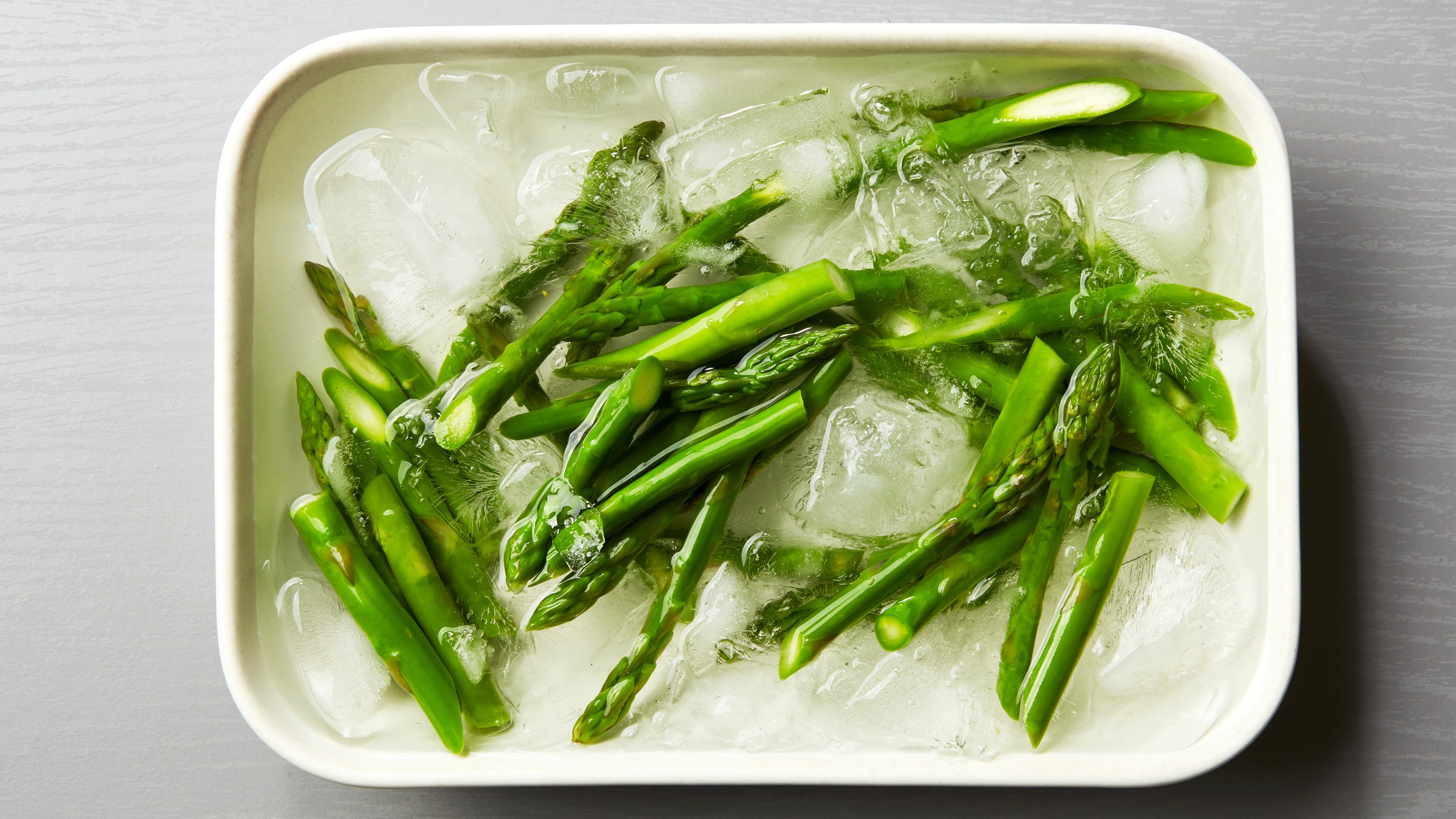
The Science Behind Fresher, Greener Vegetables
Keeping vegetables fresh and green for longer involves a bit of science. One of the key factors is temperature. Cold temperatures slow down the aging process of plant cells, helping to maintain their texture and color.
Plants are made up of cells that hold water and nutrients. When exposed to warmth, these cells start to break down, leading to wilting. By using an ice bath, you can stabilize the cell structures and keep the vegetables crisp.
Blanching vegetables before an ice bath can further enhance their freshness. This quick cooking method stops enzyme actions that cause loss of flavor, color, and texture. Cooling them in ice water stops the cooking process instantly.
Many studies show that an ice bath can retain more nutrients in vegetables. For example, high levels of Vitamin C are kept intact. This makes ice baths a popular choice for professional chefs and home cooks alike.
Unearthing the Traditional Ice Bath Technique
Ice baths have been a trusted method for keeping vegetables fresh for centuries. This age-old technique has roots in both home kitchens and professional culinary environments. Its primary goal is to halt the cooking process and lock in nutrients.
The Historical Use of Ice Baths
Before refrigerators became widely available, people used ice baths to preserve their vegetables. Using cold water helped maintain the crispness and visual appeal of fresh produce. Ancient chefs relied on this method to serve bright, tender vegetables.
In regions with limited refrigeration, ice baths became even more essential. Farmers would plunge their harvest into cold water to keep it fresh during transport. It was a simple yet highly effective solution.
Today, this tradition continues in many professional kitchens. Chefs understand that ice baths can maintain vegetables' quality and vibrancy. Even in modern times, this method hasn't lost its relevance.
How Ice Baths Work
The ice bath process is quite straightforward but highly effective. You place blanched vegetables immediately into ice-cold water. This sudden temperature drop immediately stops enzyme activity, preventing further cooking.
This method also helps retain the vegetables' crisp texture. By stopping cooking quickly, the vegetables don't become mushy or lose their shape. You get a perfect balance of cooked-through but still fresh-tasting produce.
The temperature change also preserves the nutrients. Vitamins and minerals stay intact, making your veggies both tasty and nutritious. This makes the ice bath a staple technique in kitchens worldwide.
Current Applications in Professional Kitchens
In today's culinary world, ice baths are a go-to method for chefs. Many high-end restaurants use them to prepare vegetables for salads, sides, and garnishes. This technique ensures the best quality and presentation.
Professional cooks often use ice baths for a variety of dishes. They prepare greens, carrots, bell peppers, and more this way. The focus is on preserving color, texture, and taste.
Ice baths are also essential in large-scale food preparation. Whether it's for banquets or catered events, the need for fresh, vibrant veggies remains the same. The simplicity and effectiveness of this method keep it indispensable.
Exploring the Ice Bath Process for Vegetables
Ice baths for vegetables begin with the blanching process. Blanching involves boiling the vegetables for a short time to soften them slightly. After blanching, the next important step is transferring them into ice-cold water.
This immediate temperature drop is crucial. It stops the cooking process instantly, helping retain the veggie's vibrant color and crisp texture. The sudden cold locks in nutrients that might otherwise be lost.
Setting up an ice bath is simple. You'll need a large bowl filled with ice and water. Once the vegetables go from boiling water to the ice bath, let them sit for a few minutes to cool completely.
Finally, drain the vegetables and pat them dry. You can now store them in the fridge or use them in your recipes. This method ensures your vegetables stay fresh and delicious for longer periods.
Benefits of Ice Bath for Vegetables
One of the main benefits of using an ice bath is preserving the vibrant color of vegetables. The cold water helps keep greens green and reds red. This is particularly important for presentation in dishes.
Another significant benefit is retained crunchiness and texture. The cold shock stops the cooking process, ensuring the vegetables don't turn mushy. This is especially important for vegetables used in salads and cold dishes.
Ice baths also help retain essential nutrients. For example, vitamins like Vitamin C and Vitamin B are preserved better with this method. This makes the vegetables healthier and more nutritious.
Additionally, ice baths extend the shelf life of your vegetables. They stay fresh longer, reducing food waste. This is not just good for your kitchen but also for the environment.
Professional chefs often use this method for its reliability. It guarantees consistent results every time. The simplicity and effectiveness make it a go-to technique for pros and home cooks alike.
Finally, ice baths can improve the overall taste of your vegetables. By preserving the natural flavors, you get a more enjoyable eating experience. So, your meals not only look good but also taste better.
Which Vegetables Benefit Most from an Ice Bath?
Not all vegetables need an ice bath, but many benefit significantly from it. Leafy greens like spinach, kale, and Swiss chard respond exceptionally well. These vegetables maintain their bright green color and crisp texture after an ice bath.
Root vegetables like carrots and parsnips also benefit. The ice bath helps them stay crunchy and flavorful. Whether you're preparing them for a salad or a veggie platter, this method enhances their quality.
Cruciferous vegetables, such as broccoli and cauliflower, are perfect candidates. An ice bath keeps these veggies from becoming mushy and dull. The cold water preserves their vibrant hue and firm bite.
Bell peppers and snap peas are other good examples. They hold up well under cold water, retaining their crunch and sweetness. This is ideal for stir-fry recipes or raw vegetable appetizers.
Even blanched vegetables like green beans and asparagus benefit from a quick ice bath. This stops the cooking process, preserving their texture and nutrients. They end up tasting fresh and delicious.
Notably, vegetables like potatoes and onions don't require an ice bath. Their textures and flavors don't benefit much from the process. It's better to save the ice bath for veggies that really gain from it.
Comparing Ice Bath Technique With Other Freshness-preserving Methods
Refrigeration is the most common method for keeping vegetables fresh. While effective, refrigeration can sometimes lead to loss of texture and nutrients over time. In contrast, ice baths provide an immediate freshness boost.
Freezing vegetables is another option, especially for long-term storage. However, freezing can alter the taste and texture of some vegetables. Ice baths help retain the original flavor and crunch, making them a superior choice for short-term freshness.
Another popular method is vacuum sealing. This technique removes air, which aids in preserving freshness. While helpful, vacuum sealing doesn't halt the cooking process like an ice bath does.
Using chemical preservatives can also extend shelf life. These, however, often come with health concerns and can alter the natural taste. Ice baths use no chemicals, making them a healthier and safer option for many.
Cold water soaking is another simple method. Though it can keep vegetables hydrated, it doesn't lock in nutrients as effectively as an ice bath. The sudden temperature shock in an ice bath is vital for preserving quality.
Comparing these methods reveals the unique benefits of ice baths. They offer a blend of nutrient retention, texture preservation, and immediate cooling. This makes them an indispensable technique for both everyday cooking and professional kitchens.
Experiments to Validate the Ice Bath Approach
Scientists and chefs have conducted various experiments to validate the effectiveness of ice baths. One common experiment involves comparing vegetables treated with ice baths to those that are not. The results often show better color retention and texture in the ice-bathed vegetables.
A study focused on nutrient retention found that vegetables cooled in ice baths retained more vitamins, especially Vitamin C. Researchers measured nutrient levels before and after treatment. The data confirmed that ice baths help preserve essential nutrients.
Temperature control is a critical factor in these experiments. Vegetables are blanched at similar temperatures before being separated into two groups: one for ice baths and another for air cooling. The ice bath group consistently showed fresher results.
Another interesting experiment used sensory panels to evaluate taste and texture. Participants were asked to rate veggies based on various criteria such as crispness, flavor, and appearance. Those prepped with an ice bath received higher scores across all categories.
- Color retention: 90% improvement
- Nutrient preservation: 80% increase in Vitamin C levels
- Taste and texture: Rated higher by sensory panels
The scientific community also supports these findings through peer-reviewed journals. Articles highlight the efficiency of ice baths in preserving freshness compared to other methods. The consistent positive outcomes make this approach reliable.
Ways to Incorporate This Technique at Home
Adding an ice bath to your vegetable prep routine is simple and effective. Start by blanching your vegetables in boiling water for a short period. This initial cooking step softens the veggies slightly and prepares them for the ice bath.
Immediately transfer the blanched vegetables to a bowl of ice-cold water. This stops the cooking process instantly, locking in color and nutrients. Keep the vegetables in the ice water for several minutes.
You can use ice baths for a variety of vegetables like spinach, green beans, and broccoli. This method is especially useful for preparing ingredients for salads and cold dishes. The end result is fresh, crunchy vegetables that are full of flavor.
Creating an ice bath setup at home is easy. You need a large bowl, some ice, and water. After blanching, transfer your veggies directly into this bowl for rapid cooling.
Set aside time for this process when you're meal prepping. The few extra minutes spent on an ice bath can make a big difference. Your dishes will not only look vibrant but also taste fresh and delicious.
For best results, thoroughly dry the vegetables after the ice bath. This ensures they remain crisp and don't get soggy. Store them in the fridge until you're ready to use them in your recipes.
Frequently Asked Questions
Explore common questions about using an ice bath to keep your vegetables fresher and greener. These answers help you understand the process better and its benefits.
1. How does an ice bath preserve vegetable nutrients?
An ice bath rapidly cools vegetables, halting cooking immediately. This quick cooling helps retain essential vitamins and minerals that can be lost during prolonged cooking.
The cold water stabilizes plant cell structures, locking in nutrients more effectively. In contrast, longer cooking times result in more nutrient loss.
2. What kind of vegetables benefit the most from an ice bath?
Leafy greens like spinach and kale, as well as cruciferous vegetables such as broccoli and cauliflower, benefit greatly from ice baths. These veggies retain their crisp texture and vibrant color after cooling.
Root vegetables like carrots also respond well to this technique. Ice baths maintain their crunchiness, making them perfect for salads or snacking.
3. Can I use tap water for the ice bath?
Tap water is generally fine for an effective ice bath. However, adding plenty of ice ensures the water remains cold enough to stop the cooking process quickly.
If your tap water isn't very cold, consider using chilled bottled water with added ice cubes to achieve optimal results.
4. Is there a difference between blanching before the ice bath?
Blanching before plunging vegetables into an ice bath offers additional benefits. It softens tough veggies slightly while preserving brightness and flavor.
The combination of blanching and immediate cooling stops enzyme actions that degrade quality, resulting in fresher-tasting produce with better nutritional value.
5. How long should vegetables stay in an ice bath?
The average time for keeping vegetables in an ice bath is about 5 minutes for most types. This duration allows them to cool completely without becoming waterlogged.
Larger or denser vegetables might require a slightly longer time but typically no more than 10 minutes. Always monitor closely to ensure optimal results.
Conclusion
Utilizing an ice bath for your vegetables is a simple yet highly effective technique. It preserves the vibrant color, crisp texture, and essential nutrients. This method is embraced by both professional chefs and home cooks for its reliability.
By incorporating ice baths, you not only enhance the visual appeal of your dishes but also boost their nutritional value. It's a straightforward way to ensure every meal features the freshest, greenest vegetables possible. Give this technique a try and see the difference it makes.
