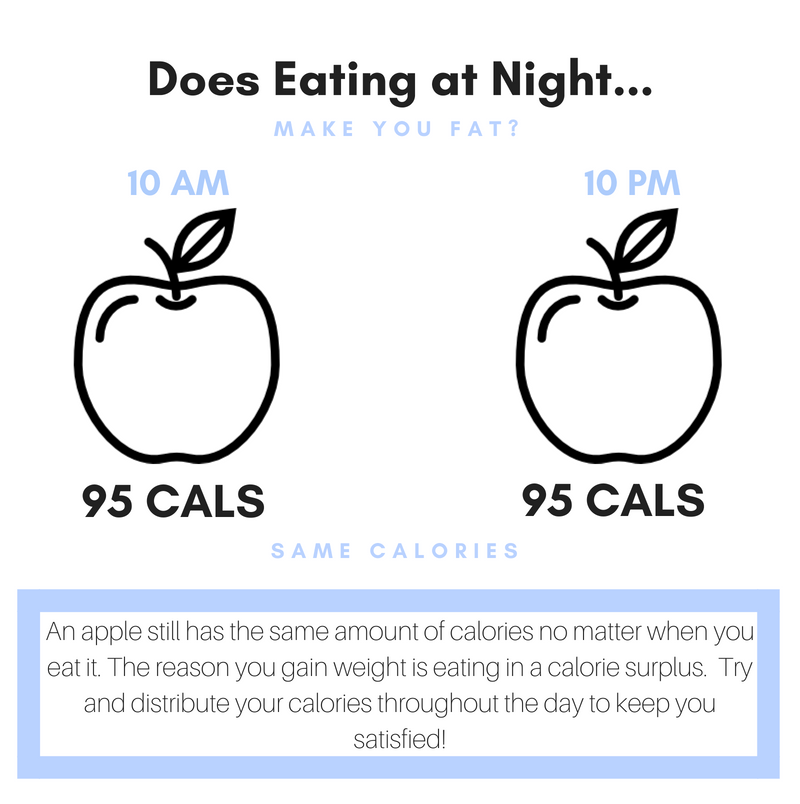
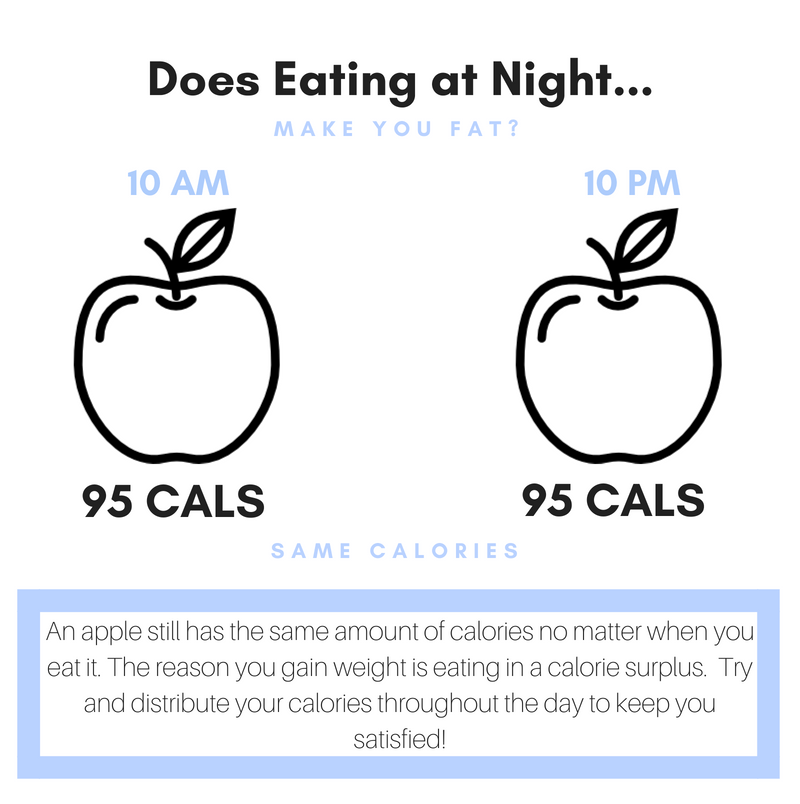
Does Eating At Night Make You Gain Weight
Ever wonder why midnight snacks have such a notorious reputation? Research suggests that indulging in late-night eating might not just be a harmless habit. A study published in the American Journal of Clinical Nutrition found that those who eat late tend to consume more calories over the course of the day.
The association between nocturnal eating and weight gain dates back to our understanding of circadian rhythms. Historically, our body's metabolism slows down towards the evening. A significant study from Northwestern University highlighted that eating at the "wrong" circadian time—such as late at night—could lead to more substantial weight gain than identical calorie consumption during the day.
Understanding Night Eating Habits
Definition of Night Eating Habits
Night eating habits refer to consuming food after dinner or waking up to eat during the night. Some people might find themselves consistently reaching for snacks late at night. This behavior can become a regular pattern for individuals.
These habits often involve eating high-calorie, unhealthy foods. Many individuals may not even realize the number of calories consumed during these times. It can contribute to weight gain over time.
Not everyone who eats at night has a problem. However, for some, it becomes a routine that impacts their health. This is particularly true if it's linked to stress or boredom.
The Psychology Behind Night Eating
People eat at night for various reasons, and psychological factors play a big role. Emotional eating is a common trigger. Stress, anxiety, or depression can lead to nighttime snacking.
Moreover, boredom can also drive people to eat when they aren't hungry. Busy days and relaxing evenings might lead to unnecessary snacking. Over time, these habits can affect both mental and physical health.
Breaking these habits involves understanding their root causes. Identifying triggers can help in managing and controlling nighttime eating. Seeking professional help can provide additional support.
Impact on Sleep and Health
Eating late at night can disrupt sleep patterns. The body has to work harder to digest food, which can make falling asleep difficult. This sleep disruption can lead to tiredness and mood swings the next day.
Poor sleep quality is linked to various health problems, including weight gain. Consistently disrupting the body's natural rhythm can trigger metabolic issues. Over time, this contributes to long-term health concerns.
Better sleep hygiene and healthier eating habits can mitigate these issues. Avoiding heavy, late-night meals can support better sleep. Fostering consistent, healthy patterns is crucial for overall well-being.
Strategies for Managing Night Eating
There are several strategies to manage night eating habits effectively. Keeping a food diary can help track eating patterns. This makes it easier to spot triggers and address them.
Implementing a consistent eating schedule is another useful tactic. Regular meals throughout the day can reduce the urge to snack at night. Keeping healthy snacks available can help make better choices.
Seeking professional guidance can also be invaluable. Nutritionists and therapists can provide personalized strategies. These interventions can help in breaking the cycle of nighttime eating.
The Connection Between Eating at Night and Weight Gain
Eating late at night has been linked to weight gain for various reasons. Our bodies have a natural rhythm that affects how we process food. Consuming food at night can disturb this rhythm.
Recent research shows that late-night eating can lead to a higher caloric intake overall. This often happens because night eaters tend to choose high-calorie, low-nutrient snacks. These extra calories easily add up, contributing to weight gain.
Furthermore, the body's metabolism slows down in the evening. This means that the calories consumed late at night are not burned efficiently. Consequently, they are more likely to be stored as fat.
Aside from weight gain, eating at night can also impact your sleep quality and long-term health. Poor sleep can cause hormonal imbalances that further promote weight gain. It's a cycle that's tough to break without mindful eating habits.
Science-Backed Evidence
Research studies have consistently shown that night eating is associated with weight gain. For example, a study in the International Journal of Obesity indicated that night eaters gained more weight than day eaters. This was true even when their total daily calorie intake was the same.
One explanation for this phenomenon is the difference in how the body processes food at different times. Insulin sensitivity decreases at night, making it harder for the body to manage blood sugar. This can lead to increased fat storage.
Another factor is the impact on hunger hormones like ghrelin and leptin. Eating at night can disrupt these hormones, leading to increased appetite and less satiety. This makes it easier to overeat.
Role of Metabolism and Circadian Rhythm
Our body's internal clock, or circadian rhythm, plays a crucial role in metabolism. During the day, our metabolism is more active. At night, it slows down to prepare the body for rest.
When you eat late at night, you are working against this natural rhythm. The food consumed is not metabolized as efficiently. Instead of being converted into energy, it is stored as fat.
This disruption can also affect how well you sleep. Poor sleep can throw off your circadian rhythm even more. It's a cycle that makes it difficult to maintain a healthy weight.
High-Calorie, Low-Nutrient Foods
Night eaters often reach for high-calorie, low-nutrient snacks. These foods are usually convenient but not the healthiest choices. Chips, cookies, and sodas are common night-time snacks.
The problem with these foods is that they add a lot of calories without providing much nutrition. This can lead to a higher caloric intake than needed. Over time, these extra calories contribute to weight gain.
Opting for healthier snacks like fruits and vegetables can make a difference. Balance and portion control are key. Making mindful choices can help prevent weight gain associated with night eating.
Eating Patterns and Their Impact on Body Weight
Your eating patterns can significantly affect your body weight. Regular meals help maintain steady energy levels. On the other hand, erratic eating habits can lead to weight gain.
Skipping meals often leads to overeating later. When your body feels deprived, it's more likely to crave high-calorie foods. This can result in consuming more calories than needed.
The timing of your meals also matters. Eating late at night is linked to weight gain for several reasons. It's harder for your body to burn calories efficiently when you eat before bed.
Incorporating balanced meals and snacks throughout the day is essential. It helps regulate hunger and prevent overeating. Consistent eating patterns contribute to maintaining a healthy body weight.
Night Eating Syndrome: A Closer Look
Night Eating Syndrome (NES) is a condition where people eat large amounts of food late at night. They often wake up during the night to eat. This behavior can disrupt sleep and lead to weight gain.
NES is different from just having a snack before bed. People with NES consume more than 25% of their daily calories after dinner. This pattern often includes cravings for high-calorie foods.
NES can be linked to psychological factors like stress and anxiety. Eating at night may be a coping mechanism for dealing with these emotions. This creates a cycle that's hard to break.
Treating NES often involves a combination of lifestyle changes and professional guidance. Cognitive-behavioral therapy (CBT) can help address the underlying issues.
Diet and sleep improvements are also critical in managing NES. Planning regular meals and maintaining a sleep schedule can help. These changes support better overall health.
If you think you might have NES, it's important to seek help. A healthcare provider can offer guidance and support. Recognizing the problem is the first step in finding a solution.
Managing Night Eating Habits
One effective way to manage night eating habits is to establish a consistent eating schedule. Regular meal times can help reduce late-night cravings. This strategy ensures your body knows when to expect food.
Keeping a food diary can be another valuable tool. By tracking what you eat, you can identify patterns and triggers for night eating. This awareness helps in making healthier choices.
Another useful tactic is to plan healthy snacks. If you need to eat something at night, opt for fruits, vegetables, or yogurt. These choices are nutritious and lower in calories.
Creating a calming bedtime routine can also help manage night eating. Activities like reading a book or taking a warm bath can reduce stress and promote better sleep. Being relaxed makes you less likely to reach for snacks.
Seeking professional guidance is often beneficial. A nutritionist or therapist can provide personalized strategies. They can also help you understand and address the emotional triggers behind night eating.
Finally, staying hydrated is important. Sometimes thirst is mistaken for hunger. Drinking a glass of water before reaching for a snack can often satisfy the urge without extra calories.
Role of Sleep in Controlling Weight
Getting enough sleep plays a significant role in weight control. Lack of sleep can disrupt hormone levels. This disruption often leads to increased hunger and weight gain.
Two key hormones, ghrelin and leptin, are affected by sleep. Ghrelin signals hunger, while leptin signals fullness. When you don't sleep well, ghrelin levels rise and leptin levels drop.
This hormonal imbalance makes you feel hungrier and less satisfied after eating. As a result, you may consume more calories than you need. Over time, this can lead to weight gain.
Good sleep hygiene helps maintain these hormone levels. Establishing a regular sleep schedule is important. Aim for 7-9 hours of quality sleep each night.
Poor sleep can also affect your metabolism. Your body doesn't process food as efficiently when you're tired. This can lead to storing more fat and gaining weight.
To improve sleep quality, create a calming bedtime routine.
- Avoid caffeine and heavy meals before bed.
- Keep your bedroom cool and dark.
- Limit screen time to ensure better rest.
Health Risks Associated with Night Eating
Eating late at night can lead to several health risks. One of the most common risks is weight gain. Consuming extra calories at night often results in storing fat rather than burning it.
Poor digestion is another concern with night eating. The body's digestive system slows down in the evening. This can cause discomfort and indigestion when food sits in your stomach overnight.
Nocturnal eating may also disrupt sleep patterns. Digesting food takes energy, making it harder for you to fall asleep. Poor sleep quality adds stress and impacts overall well-being.
This habit can contribute to more serious conditions like type 2 diabetes. Constantly spiking blood sugar levels at night puts pressure on the pancreas. It has to produce more insulin, leading to long-term issues.
- Weight gain
- Poor digestion
- Disrupted sleep patterns
- Type 2 diabetes risk
Nutrient deficiencies are another hidden risk, as nighttime snacks are usually less healthy. Less nutritious options like chips or cookies offer empty calories. Over time, this can lead to vitamin and mineral deficiencies.
Being proactive about your night eating habits can mitigate these risks. Consider healthier alternatives if you must eat late at night. Focus on balanced meals throughout the day for better health outcomes.
Professional Advice on Night Eating
Many experts agree that managing night eating habits is essential for maintaining a healthy weight. Nutritionists recommend setting a regular eating schedule. Consistent meal times can help curb late-night cravings.
Therapists often focus on the emotional aspects of night eating. Techniques like cognitive-behavioral therapy (CBT) can address underlying issues. This approach helps individuals develop healthier coping strategies.
Professional guidance often includes personalized meal planning. A balanced diet throughout the day reduces hunger at night. Experts suggest incorporating whole foods and avoiding processed snacks.
| Recommended Foods | Foods to Avoid |
|---|---|
| Fruits and vegetables | Chips and cookies |
| Whole grains | Sugary drinks |
| Lean proteins | High-fat snacks |
Experts also emphasize the importance of good sleep hygiene. Regular sleep patterns can improve overall health and reduce the likelihood of night eating. Practices like avoiding screens and maintaining a dark, cool room can help.
Staying hydrated is another piece of advice from professionals. Sometimes thirst is mistaken for hunger. Drinking water can often curb the urge to snack late at night.
Overall, seeking help from professionals can be beneficial. They can provide tailored advice that suits individual needs. From nutrition plans to emotional support, expert guidance covers all aspects of night eating.
Frequently Asked Questions
Eating at night can influence body weight and overall health. Here are some common questions on this topic to help you understand it better.
1. What types of foods are best to eat at night?
If you need to eat at night, opt for light, nutritious options like fruits or yogurt. These foods provide essential nutrients without adding too many calories.
Avoiding heavy, high-calorie snacks such as chips or sweets is key. Choosing healthier alternatives can prevent unnecessary calorie intake and help maintain a balanced diet.
2. How does sleep impact nighttime eating habits?
Poor sleep can lead to increased hunger and cravings for high-calorie foods. This often results in late-night snacking, which contributes to weight gain over time.
Establishing a regular sleep schedule helps regulate hunger hormones, reducing the urge to snack at night. Better sleep hygiene supports overall well-being and healthier eating patterns.
3. Why do people crave high-calorie foods at night?
Cravings for high-calorie foods often stem from emotional triggers like stress or boredom. At night, these feelings might be more pronounced, leading people to seek comfort in food.
The body's slower metabolism also plays a role in storing these extra calories as fat. Mindfully addressing emotional triggers can help control nighttime cravings effectively.
4. Can skipping meals during the day cause night eating?
Yes, skipping meals often results in overeating later in the day, especially at night when the body feels deprived of energy. Regular meals help maintain energy levels and reduce late-night hunger pangs.
This prevents overeating before bedtime by providing steady nutrition throughout the day. Structured meal times support balanced eating habits and weight management.
5. Are there any long-term health risks associated with night eating?
Consistently eating at night can lead to long-term health risks like obesity, type 2 diabetes, and digestive problems due to disrupted circadian rhythms and poor food choices.
The habit of consuming extra calories late in the evening stresses the body's natural processes. Addressing this habit early is crucial for preventing serious health issues over time.
Conclusion
In summary, eating at night can have significant impacts on body weight and overall health. Understanding the underlying causes and making mindful food choices is essential for preventing weight gain. This includes maintaining a regular eating schedule and opting for healthier snacks.
Addressing night eating from both a nutritional and emotional perspective is vital. Seeking professional advice can provide personalized strategies that cater to individual needs. Adopting these approaches can lead to healthier habits and improved well-being.
