Bulgarian Dishes You Have To Try
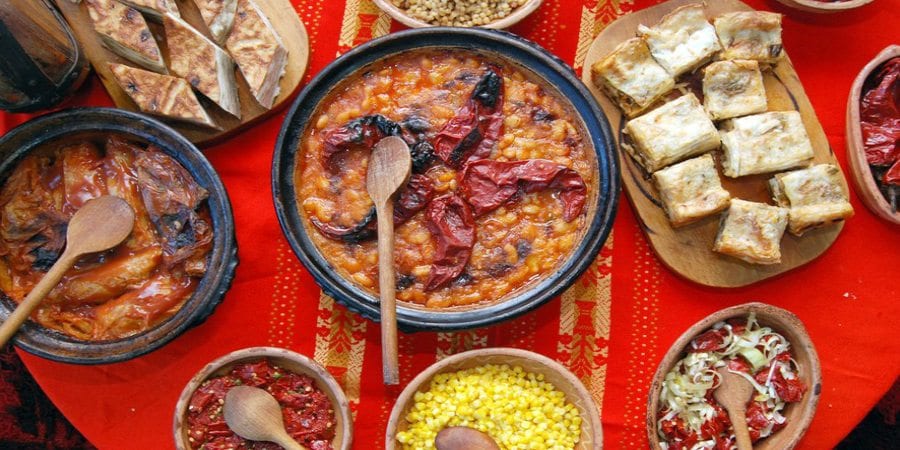
The culinary landscape of Bulgaria offers a treasure trove of flavors waiting to be discovered. Imagine savoring rich, layered dishes that carry centuries-old traditions in every bite. The experience is a gastronomic journey worth every moment for the discerning palate.
A quintessential example of Bulgarian cuisine is the renowned "Banitsa," a delightful pastry made with layers of filo dough and a delicious mixture of cheese and eggs. This dish not only serves as a staple in many Bulgarian households but also represents the nation's culinary heritage. Did you know that during holidays, a coin is sometimes hidden inside the banitsa, believed to bring good luck to the finder?
A Journey into the Traditional Bulgarian Cuisine
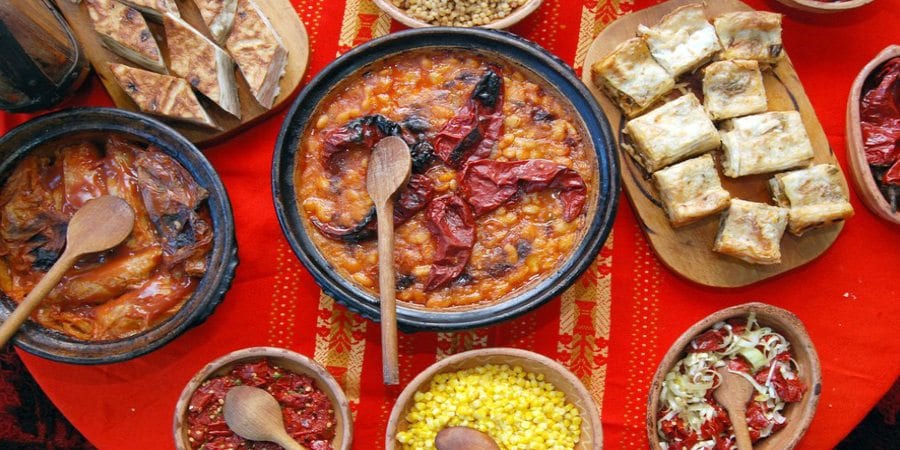
Bulgarian cuisine is a fascinating mix of flavors and techniques. The dishes often showcase local ingredients like yogurt, peppers, and tomatoes. Every bite tells a story of Bulgaria's rich cultural and historical heritage.
One unique aspect of Bulgarian food is how it's influenced by neighboring countries like Turkey and Greece. This creates a delightful fusion of tastes that are both familiar and exotic. Bulgarian cuisine has something for everyone.
Traditional Bulgarian meals are often slow-cooked, allowing flavors to develop fully. Bulgarians take pride in making food that is not just delicious but also part of their family traditions. No wonder these dishes are passed down through generations.
Whether it’s a special occasion or a regular day, Bulgarian cuisine has a dish ready to impress. From hearty stews to refreshing soups, the variety is endless. This makes exploring Bulgarian food an exciting adventure.
Exploring the Flavors: Famous Bulgarian Dishes
Bulgarian cuisine includes a wide array of dishes that offer unique flavors and textures. From breakfast pastries to hearty dinners, each meal has its own special touch. Discovering these dishes is like taking a trip through Bulgaria's history and culture.
Banitsa: The Heartwarming Pastry
Banitsa is a traditional Bulgarian pastry made with layers of filo dough filled with a mixture of eggs and cheese. It’s often served for breakfast and special occasions. The warm, flaky texture makes it a favorite among locals and visitors alike.
Banitsa can be enjoyed in various forms, such as sweet or savory. Some recipes include spinach, leeks, or even pumpkin. Its versatility is one reason it remains a beloved dish.
During holidays, a coin is sometimes hidden inside the banitsa. This tradition adds a layer of fun and excitement to its consumption. Finding the coin is believed to bring good luck for the year.
Kavarma: A Meaty Delight
Kavarma is a savory stew made with pork, veal, or chicken, and lots of vegetables like onions and peppers. It’s slow-cooked in a traditional clay pot, which helps to enhance its rich flavors. This dish is especially popular during cooler months.
The ingredients are layered and cooked slowly to allow the flavors to meld together. It’s typically served with rice or bread, making it a hearty meal. Kavarma showcases the Bulgarian knack for creating dishes that are both simple and flavorful.
Some regions in Bulgaria have their own variations of kavarma, adding local spices and herbs. This makes it a versatile dish that offers a different taste experience depending on where you try it. The dish perfectly represents the diversity in Bulgarian cuisine.
Tarator: The Refreshing Soup
Tarator is a cold cucumber soup that’s perfect for hot summer days. Made with yogurt, garlic, dill, and walnuts, it’s a refreshing starter or side dish. This soup is loved for its tangy and cooling properties.
It’s incredibly easy to make, requiring no cooking at all. Just mix the ingredients and chill before serving. This simplicity is one reason why tarator is a staple in Bulgarian households.
Often served with a drizzle of olive oil and a sprinkle of dill, tarator pairs well with grilled meats. It’s also a nutritious option, thanks to the yogurt and cucumbers. This makes it both a tasty and healthy choice for any meal.
Banitsa: The Quintessential Bulgarian Breakfast
Banitsa is a staple in Bulgarian breakfast, cherished by many. Layers of crispy filo dough embrace a savory filling of eggs and cheese. It's often enjoyed with a side of yogurt or a hot cup of tea.
This delightful pastry comes in both sweet and savory varieties, adding to its popularity. Sometimes, spinach or even pumpkin is added for an extra twist. The versatility of banitsa makes it a favorite across all age groups.
Banitsa isn't just a breakfast treat; it's also a part of various Bulgarian traditions. During holidays, a lucky coin is hidden inside the pastry. Whoever finds the coin is believed to have good fortune for the coming year.
Easy to make yet rich in flavor, banitsa holds a special place in Bulgarian hearts. Whether it’s a family gathering or a festive celebration, this pastry is always welcome. Trying it once will undoubtedly leave you craving for more.
Kavarma: A Meat Lover’s Delight
Kavarma is a beloved Bulgarian stew rich with flavors and textures. It's typically made with pork, chicken, or veal, along with lots of vegetables. This dish is slow-cooked to bring out the best in each ingredient.
The ingredients are layered and cooked in a traditional clay pot, which helps to enhance its rich flavors. This method allows the meat to become tender and juicy. Kavarma is usually served with rice or bread.
One of the best things about kavarma is its versatility. Different regions in Bulgaria add their own twist, using unique spices and herbs. These variations make it worth trying kavarma from different parts of the country.
The dish is often enjoyed during the colder months due to its hearty and comforting nature. It's particularly popular during festive seasons and family gatherings. The aroma of kavarma cooking is enough to bring people together.
If you love robust, meaty dishes, then kavarma will not disappoint. Its complex flavors and satisfying texture make it a favorite among meat lovers. Trying this dish is like getting a warm Bulgarian hug in a bowl.
Making kavarma at home is also quite straightforward, as long as you have the right ingredients. The slow-cooking process might take time, but the result is well worth the wait. Once you try it, you'll understand why it's such a staple in Bulgarian cuisine.
Tarator: The Refreshing Bulgarian Soup
Tarator is a beloved Bulgarian soup that’s especially popular during the summer. It's made with yogurt, cucumber, garlic, dill, and walnuts. This cold soup is both refreshing and nutritious.
The preparation of tarator is simple and doesn’t require any cooking. You just mix the ingredients and let it chill. This makes it an easy and quick dish to prepare, perfect for hot days.
- Yogurt
- Cucumber
- Garlic
- Dill
- Walnuts
The combination of yogurt and cucumber provides a cooling effect that's ideal for warm climates. The use of fresh dill and garlic adds a burst of flavor. Walnuts give the soup an interesting texture and a nutritional boost.
Tarator is often served as a starter or a side dish. It pairs wonderfully with grilled meats and breads. Whether you’re having a simple meal or a feast, tarator is a versatile addition to your menu.
Not only is tarator delicious, but it’s also healthy. Yogurt is packed with probiotics, while cucumbers provide hydration. It's a dish that offers both taste and health benefits, making it a staple in Bulgarian cuisine.
Sarmi: Bulgaria’s Festive Delight
Sarmi, also known as stuffed cabbage leaves, is a cherished Bulgarian dish often enjoyed during festive occasions. The dish consists of cabbage leaves filled with a delicious mixture of rice, meat, and spices. It's a symbol of celebration and family gatherings.
Preparing sarmi involves blanching cabbage leaves to make them pliable. The filling is made by sautéing meat, usually pork or beef, with rice and spices. These prepared leaves are then rolled tightly with the filling inside.
- Cabbage leaves
- Rice
- Ground pork or beef
- Onions
- Spices
Sarmi can be cooked in a variety of ways, including baking and boiling. They are often simmered in a tomato-based sauce, which adds to their rich flavor. This slow-cooking method allows the flavors to meld beautifully.
The dish is often complemented with a side of yogurt, enhancing its overall taste and making for a wholesome meal. Some versions of sarmi are vegetarian, using only rice and herbs for the filling. This versatility makes it a dish that can cater to diverse palates.
Sarmi is more than just a meal; it's a tradition passed down through generations. Families gather to prepare sarmi together, fostering a sense of community and sharing. Whether it’s a festive occasion or a simple family meal, sarmi holds a special place in Bulgarian hearts.
Moussaka: Bulgaria's Answer to Comfort Food
Moussaka is one of Bulgaria's most comforting and hearty dishes. This baked casserole is made with layers of potatoes, ground meat, and a creamy béchamel sauce. Its rich flavors make it a beloved comfort food in many Bulgarian households.
Preparing moussaka involves first cooking the ground meat with onions and spices. The meat mixture is then layered with thinly sliced potatoes in a baking dish. A generous topping of béchamel sauce completes this delicious creation.
- Potatoes
- Ground beef or pork
- Onions
- Béchamel sauce
- Spices
The dish is baked until golden and bubbly, allowing all the flavors to meld together perfectly. Each bite offers a delightful combination of textures, from creamy to crispy. It's no wonder that moussaka has earned its place as Bulgaria’s ultimate comfort food.
Moussaka varies slightly from region to region in Bulgaria, with some adding eggplants or carrots for extra flavor. This versatility keeps the dish exciting and adaptable for different tastes. Whether served at family dinners or festive occasions, moussaka never fails to impress.
This dish not only feeds the body but also warms the soul. Moussaka often brings families together around the dining table, creating cherished memories. If you're looking for a meal that's both hearty and heartwarming, Bulgarian moussaka is a must-try.
Food Etiquette and Traditional Food Practices in Bulgaria
In Bulgaria, dining is more than just eating; it's a social event filled with traditions. When invited to a Bulgarian home, it's customary to bring a small gift, like flowers or wine. Removing your shoes before entering is also a common practice.
Meals are typically served with a variety of dishes shared among everyone at the table. It's considered polite to wait until the host invites you to start eating. Always compliment the cook, even if it's a simple meal.
Drinks often play a significant role in Bulgarian dining. Rakia, a traditional fruit brandy, is usually served before meals. It's customary to toast with a hearty "Nazdrave!" before taking a sip.
- Drinks are important in meals
- Sharing dishes is common
- Always compliment the cook
Eating with family and friends can last for hours, especially during special occasions. Meals are eaten slowly, allowing everyone to enjoy the food and conversation. This relaxed approach to dining fosters close relationships.
Traditional Bulgarian practices also include specific ways to eat certain dishes. For example, banitsa is often dipped in yogurt. These customs add layers of enjoyment to the dining experience.
Whether you're at a casual family dinner or a festive gathering, following these etiquette rules will enrich your Bulgarian culinary experience. You'll not only enjoy delicious food but also feel a part of the community. Respecting these traditions is a way to show your appreciation for Bulgarian culture.
Frequently Asked Questions
Discover the rich culinary traditions of Bulgaria through these engaging questions and answers. From traditional breakfasts to festive dishes, learn all about the flavors that define Bulgarian cuisine.
1. What is the significance of Banitsa in Bulgarian culture?
Banitsa is not just a popular breakfast item, but it's deeply rooted in Bulgarian traditions. During Christmas and New Year, a coin is often hidden inside the pastry. Finding the coin is believed to bring good fortune for the coming year. This makes Banitsa a dish steeped in cultural symbolism.
In addition to its place in holiday rituals, Banitsa is also enjoyed on everyday occasions. Its simple ingredients—layers of filo dough filled with cheese and eggs—make it both convenient and delicious. The versatility of Banitsa allows for variations like adding spinach or leeks, making it a staple in Bulgarian households.
2. How do Bulgarians typically serve Tarator?
Tarator, a cold cucumber soup made with yogurt, garlic, dill, and walnuts, is usually served as a starter or side dish during summer months. It’s known for its cooling effect, making it perfect for hot weather. Often topped with herbs like dill for extra flavor.
This refreshing soup pairs well with grilled meats or bread, providing a light contrast to heavier dishes. The simplicity of its preparation—requiring no cooking—makes Tarator a quick and healthy option that's deeply loved in Bulgaria.
3. What are some regional variations of Kavarma?
Kavarma can vary based on regional preferences across Bulgaria. In some areas, locals might add various spices or herbs unique to their region to personalize this meat stew. Ingredients can also change; while pork is common, chicken or veal may be used instead.
The slow-cooked nature of Kavarma allows flavors to meld beautifully over time regardless of regional differences. Whether baked or simmered on a stove top, each version offers its own distinct taste while staying true to traditional methods.
4. Why are Sarmi popular during festive seasons?
Sarmi are stuffed cabbage leaves filled with rice and either meat or vegetables; they hold significant value during festive celebrations like Christmas Eve and weddings in Bulgaria due their communal preparation process which brings families together. Often simmered slowly allowing all flavors blend perfectly creating memorable meals shared among loved ones; vegetarian versions featuring only rice & fresh herbs cater broader palate diversity without compromising tradition's essence
The communal aspect continues when enjoying these flavorful rolls together around table fostering unity amidst joyous occasions hence maintaining cultural heritage blending effortlessly appealing feast atmosphere beyond mere sustenance scope throughout festivities timeframe aligned aptly towards joyous moments enhanced via delicious flavorsome bites further enhancing celebratory spirit pervading entire event continuum seamlessly melding gastronomic bliss therein identified solely within context respectively so invoked::intrinsically @ transformative & gratifying ultimately Exploring Bulgarian cuisine offers more than just delightful flavors; it provides a deep dive into the country's rich cultural history. From Banitsa to Sarmi, each dish tells a unique story. These culinary traditions are deeply cherished and passed down through generations. Whether you're savoring a hearty kavarma or refreshing tarator, Bulgarian dishes promise a memorable experience. Their unique blend of flavors and ingredients make them a culinary treasure worth exploring. Embracing these foods allows you to appreciate Bulgaria's heritage in the most delicious way possible.Conclusion
