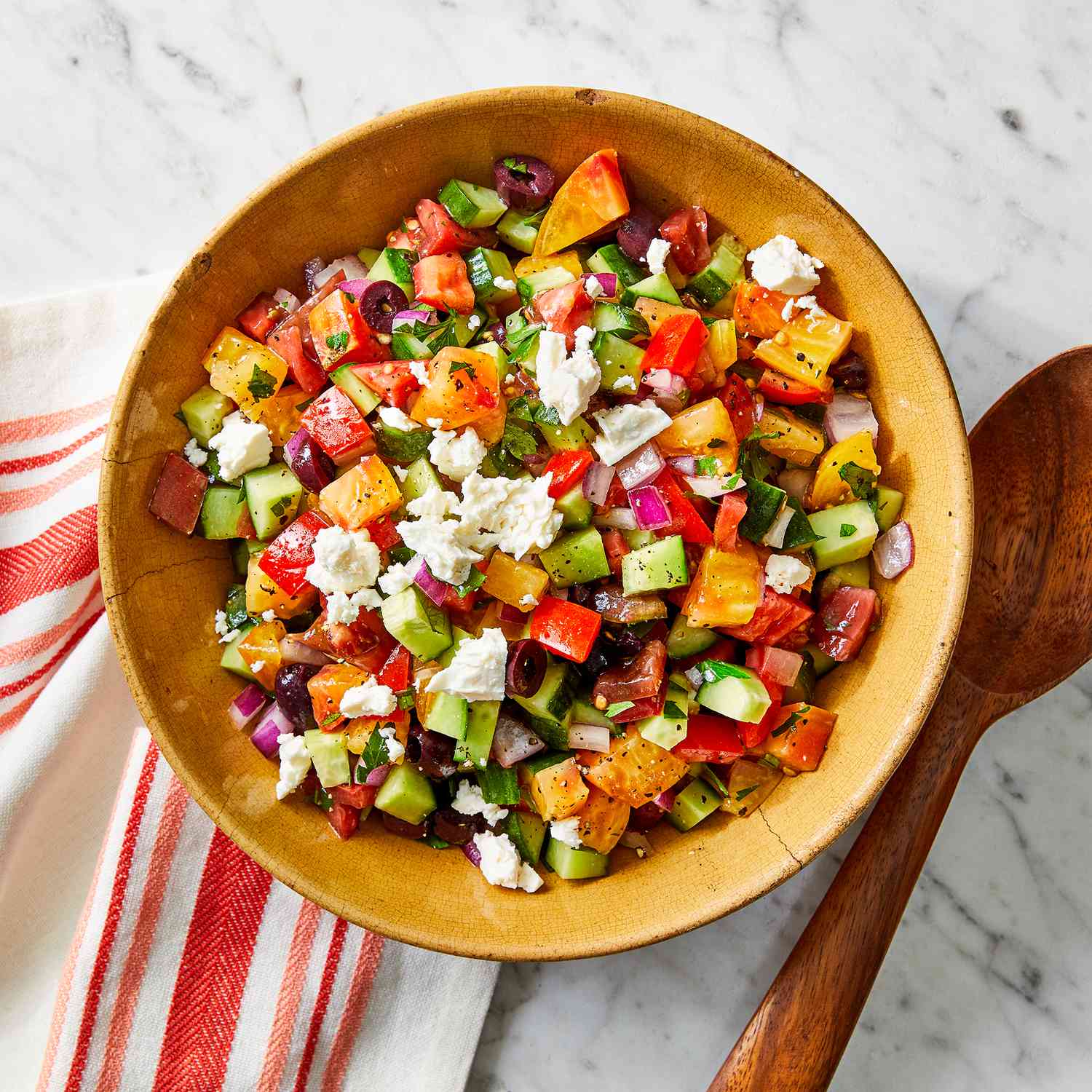
10 Easy Healthy Summer Salads
When temperatures rise, nothing beats the refreshing appeal of a crisp summer salad. Did you know that incorporating more fresh vegetables and fruits into your diet can significantly boost hydration and nutrient intake during the hotter months? Summer salads offer a plethora of easy and delicious ways to maintain a healthy lifestyle without compromising on flavor.
Exploring the history of salads, it's evident they have been a staple in diets dating back to ancient Roman and Greek civilizations. Recent studies show that incorporating salads into your meals can help reduce calorie intake while increasing the consumption of essential vitamins and minerals. With such benefits, it's no wonder that 10 easy, healthy summer salads can revolutionize your seasonal diet with minimal effort.
- Tomato and Cucumber Salad
- Grilled Chicken Caesar Salad
- Watermelon Feta Salad
- Quinoa and Avocado Salad
- Spinach and Strawberry Salad
- Corn and Black Bean Salad
- Greek Salad
- Caprese Salad
- Kale and Apple Salad
- Asian Slaw Salad
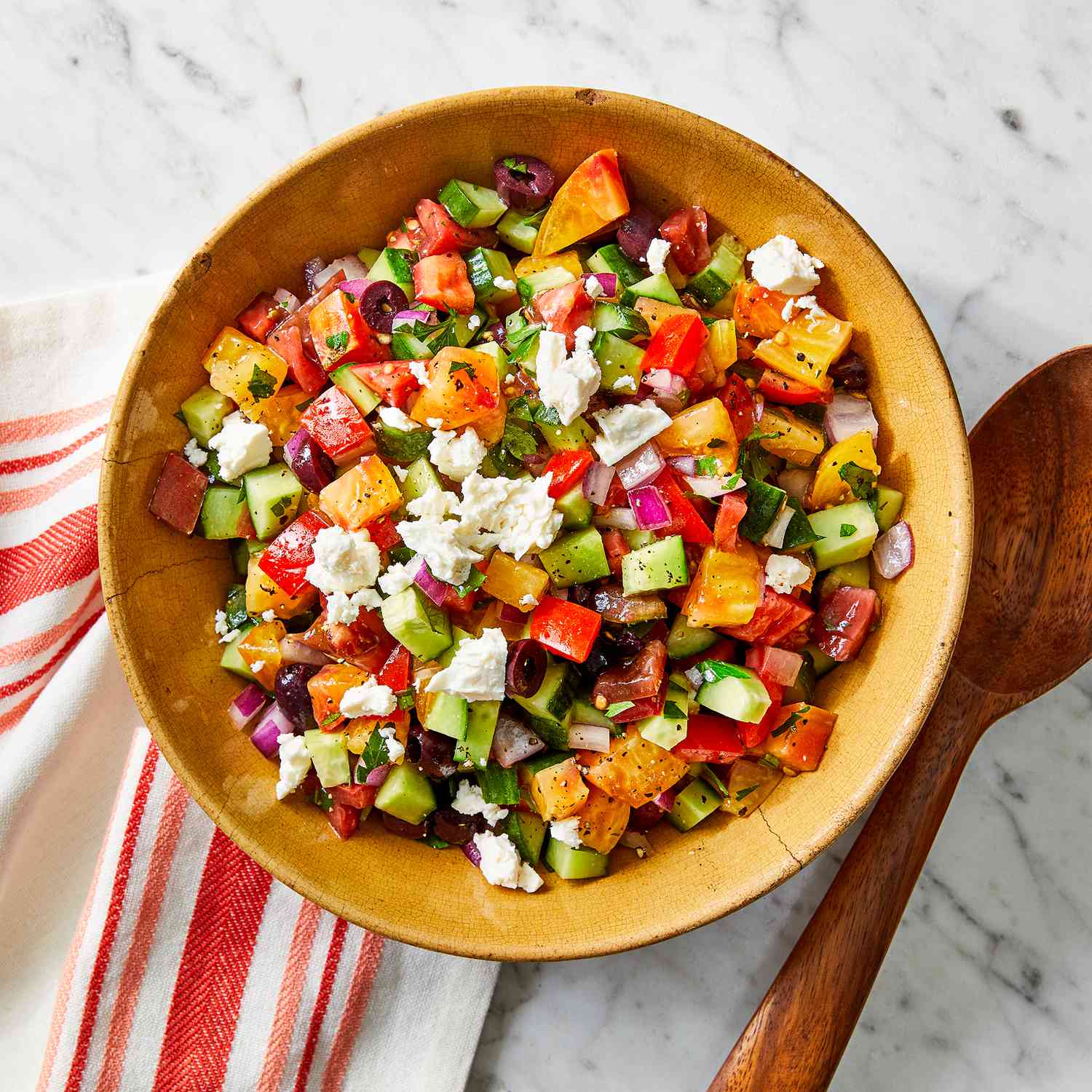
The Benefits of Consuming Salads in Summer
Summer is an ideal time to enjoy fresh, crisp salads. They are light, refreshing, and easy to prepare. Eating salads can help keep you hydrated, as they often contain water-rich vegetables like cucumbers and tomatoes.
Consuming salads in summer can also boost your nutrient intake. Fresh produce is packed with vitamins and minerals essential for good health. Adding a variety of colorful vegetables ensures you get a range of nutrients.
Salads can be a great way to maintain a healthy weight. They are usually low in calories but high in fiber, which helps you feel full longer. This can prevent overeating and support weight management.
Another benefit is the simplicity and convenience of salads. You can easily prepare them in a short amount of time. This makes it easier to enjoy a nutritious meal, even on busy days.
The History and Popularity of Salads
Salads have been enjoyed for centuries and have an interesting background. They were first eaten by ancient civilizations like the Greeks and Romans. Today, salads are more popular than ever, thanks to their health benefits and versatility.
Ancient Beginnings
Ancient civilizations included salads in their daily meals. The Greeks and Romans used fresh vegetables and added dressings made from oil and vinegar. These simple but flavorful combinations were the foundation of modern salads.
Back then, salads were considered a treat for the privileged. Only those who could afford fresh produce enjoyed them regularly. This shows how salads were once a luxury rather than a common dish.
Interestingly, ancient Egyptians also enjoyed a version of salads. They mixed wild greens with herbs and sprinkled them with salt and oil. Their early recipes paved the way for our current salad varieties.
Middle Ages Development
During the Middle Ages, salads started gaining wider popularity across Europe. They featured more ingredients like fruit, nuts, and edible flowers. This period saw salads becoming a more complex dish.
Salads were often served at feasts and banquets. This made them more accessible to people from different social classes. The addition of new ingredients brought about a richer variety of flavors.
Monks and scholars documented salad recipes in their writings. This helped preserve and spread various combinations and methods. These documents are valuable historical records of early culinary art.
Modern Day Popularity
Today, salads are enjoyed worldwide in many forms. They have become a staple in restaurants, cafes, and homes. The ease of preparation and health benefits make them incredibly popular.
Many people customize salads to fit their dietary needs. They use ingredients like grains, proteins, and dairy to create balanced meals. This adaptability has helped salads maintain their popularity.
Salads are also a prominent feature in global cuisine. From the Italian Caprese to the Middle Eastern tabbouleh, each region adds its unique twist. This diversity keeps the salad interesting and appealing to people everywhere.
The Importance of Easy and Healthy Salad Recipes
Having easy and healthy salad recipes at your fingertips can make a big difference. These recipes save time while ensuring you eat nutritious meals. They can be a convenient solution for busy days.
Easy salad recipes encourage more frequent home cooking. This not only promotes healthier eating habits but also reduces the reliance on fast food. Home-cooked meals tend to be more balanced and wholesome.
Healthy salads are rich in essential nutrients. They provide vital vitamins and minerals necessary for overall well-being. Incorporating a variety of vegetables boosts your nutrient intake.
Lastly, easy salad recipes are incredibly versatile. You can customize them to suit your taste and dietary needs. This flexibility makes it easier to stick to a healthy eating routine.
10 Easy Healthy Summer Salads
Summer is the perfect time to enjoy fresh, delicious salads. These recipes are easy to prepare and are packed with nutrients. They can be a refreshing change from heavier meals.
One of the great things about summer salads is their versatility. You can mix and match ingredients depending on what you have on hand. This makes it easy to create a variety of tasty and healthy dishes.
- Tomato and Cucumber Salad
- Grilled Chicken Caesar Salad
- Watermelon Feta Salad
- Quinoa and Avocado Salad
- Spinach and Strawberry Salad
- Corn and Black Bean Salad
- Greek Salad
- Caprese Salad
- Kale and Apple Salad
- Asian Slaw Salad
Tomato and Cucumber Salad is a classic choice. It's simple yet packed with flavor. The combination of tomatoes, cucumbers, and a light vinaigrette is both refreshing and satisfying.
Grilled Chicken Caesar Salad adds a protein punch. It's great for those who want something more filling. The creamy Caesar dressing complements the grilled chicken perfectly.
If you prefer something fruity, try Watermelon Feta Salad. The sweetness of the watermelon pairs well with the salty feta. This salad is a colorful and tasty option for hot days.
These salads not only taste great but are also good for you. They are full of vitamins, minerals, and antioxidants. Including these salads in your diet can help you stay healthy and energized all summer long.
The Nutrient Profiles of Chosen Salads
Salads are not just delicious; they are nutritional powerhouses. Each ingredient contributes essential vitamins and minerals. Understanding their nutrient profiles helps you make the best choices for your diet.
Let's look at the Tomato and Cucumber Salad. Tomatoes are rich in vitamins A and C. Cucumbers add hydration and fiber to the mix.
- Vitamins: A, C, K
- Minerals: Potassium, Magnesium
- Other Nutrients: Antioxidants, Fiber
Grilled Chicken Caesar Salad brings protein into the picture. Chicken provides lean protein needed for muscle repair. Romaine lettuce offers vitamins K and A.
| Nutrient | Source |
|---|---|
| Protein | Grilled Chicken |
| Vitamins | Romaine Lettuce |
| Fiber | Whole Grain Croutons |
Watermelon Feta Salad offers a hydrating and nutrient-rich option. Watermelon is high in vitamins A and C, while feta cheese adds calcium and protein. This combination makes it a great choice for a refreshing and healthy summer meal.
Each chosen salad has its unique benefits. From boosting hydration to providing essential vitamins, these salads cover all the bases. Incorporating a variety of these salads ensures a well-rounded nutrient intake.
How to Source and Select Fresh Salad Ingredients
Choosing fresh salad ingredients is key to a tasty and nutritious meal. Fresh produce ensures maximum flavor and nutrient content. Here are some tips to help you source the best ingredients.
Visit local farmers' markets for the freshest options. The produce there is often picked the same day. This guarantees superior taste and quality.
- Check for vibrant colors
- Ensure no blemishes or bruising
- Look for crisp textures
When buying leafy greens, go for those with bright, crisp leaves. Avoid any greens that look wilted or have yellow spots. Fresh greens are more nutritious and taste better.
Fruits and vegetables should feel firm to the touch. Soft spots can indicate spoilage. Select firm produce to ensure it is freshly harvested.
Opt for organic options when possible. They are grown without harmful pesticides. Organic produce often contains higher levels of certain nutrients.
Lastly, don’t forget to store your ingredients properly. Keep leafy greens in the crisper drawer of your fridge. This helps maintain their freshness until you're ready to use them.
Easy Steps to Prepare Each Salad
Making salads can be a quick and enjoyable process. Following these easy steps ensures your salads are both delicious and nutritious. Let's explore how you can prepare different types of salads effortlessly.
The first step is to wash all the ingredients thoroughly. This removes any dirt or pesticides. Clean ingredients are vital for a healthy salad.
- Wash vegetables under running water
- Use a salad spinner to dry leafy greens
- Pat other veggies dry with paper towels
Next, chop your ingredients into bite-sized pieces. Uniform pieces make the salad easier to eat and mix well. This also enhances the presentation of your dish.
Add a protein source for a more filling salad. Options include grilled chicken, tofu, or boiled eggs. Protein-rich salads keep you satisfied longer.
Create a dressing by mixing olive oil, vinegar, or lemon juice with herbs and spices. Homemade dressings are healthier and tastier than store-bought ones. A good dressing complements the flavors of your salad perfectly.
Toss everything together gently to coat all ingredients with the dressing. Use tongs or clean hands to mix without crushing delicate items like tomatoes and avocado.This even distribution ensures every bite is flavorful.
Storing and Serving Suggestions for Summer Salads
Proper storage ensures your summer salads stay fresh and tasty. Keep salad greens in the crisper drawer of your fridge, wrapped in paper towels to absorb excess moisture. This extends their freshness.
- Store dressings separately in airtight containers
- Use glass containers to keep ingredients crisp
- Refrain from mixing salad too long before serving
When it comes to serving, timing is crucial. Toss your salad with dressing just before serving to maintain crunchiness. Assemble your salad in a chilled bowl to keep it cool in the summer heat.
Adding garnishes can elevate your salad. Fresh herbs, nuts, or seeds add texture and flavor. These small extras make your salad more appealing.
For picnic salads, use a cooler with ice packs to keep everything fresh. Layer your ingredients in a jar, with the dressing at the bottom, to prevent sogginess. Shake the jar just before eating for a perfectly mixed salad.
If you have leftovers, store them properly to avoid waste. Place them in an airtight container in the fridge. Most salads will remain fresh for up to two days, depending on the ingredients.
Frequently Asked Questions
Here are some common questions about easy healthy summer salads. These answers aim to help you understand everything from ingredients to preparation.
1. What are the best ingredients for a healthy summer salad?
The best ingredients for a healthy summer salad include fresh vegetables like tomatoes, cucumbers, and leafy greens. Adding fruits such as berries or mangoes can add sweetness and additional nutrients.
For protein, consider grilled chicken, tofu, or beans. Nuts and seeds can offer crunch while also providing healthy fats. Using a light dressing made from olive oil and vinegar keeps it refreshing and nutritious.
2. How do I keep my salad fresh when taking it to a picnic?
To keep your salad fresh during a picnic, use an insulated cooler with ice packs. Store the salad ingredients and dressing separately in airtight containers until ready to serve.
You can layer the ingredients in a mason jar starting with the heaviest items at the bottom, like proteins, followed by vegetables and greens on top. Shake well just before eating to evenly distribute the dressing.
3. Can I make summer salads in advance?
You can absolutely make summer salads in advance; however, keeping elements like dressings separate helps maintain freshness. Store washed greens in one container and other ingredients in separate ones.
Assemble your salad only when you're ready to eat it by mixing all elements together and adding the dressing last. This method ensures your salad remains crispy rather than soggy.
4. What dressings are healthiest for summer salads?
The healthiest dressings for summer salads often come with simple ingredients like olive oil, lemon juice, vinegar, salt, and pepper. These dressings enhance flavors without adding unnecessary calories or fats.
You can also experiment with Greek yogurt-based dressings for added creaminess without high fat content from typical creamy dressings like ranch or Caesar dressing alternatives are ideal choices as they don't overpower the natural taste of fresh produce.
5. Are there any low-carb options for summer salads? For those seeking low-carb options: try substituting grains like quinoa or rice cauliflower pearls spiralize veggies instead using grain pasta enhances texture but reduces carbs considerably without sacrificing consistency same goes beans legume-based products high-protein mild carbs ratio work excellently showcasing entrées.. Summertime perfect opportunity explore numerous combinations remaining interested flavor-filled being mindful discerning few swap-outs rendering equally delicious parties opportunities gather).
- Lettuce wraps
- Zoodle (zucchini noodle) based dishes
- Cucumber avocado rolls keeping carb significantly minimal supporting intricate dietary needs
<}
Conclusion
Embracing easy and healthy summer salads can significantly enhance your seasonal diet. These salads are not only refreshing but also packed with essential nutrients. They offer a versatile and convenient way to stay healthy.
By choosing fresh ingredients and experimenting with different recipes, you can keep your meals exciting. These salads are quick to prepare and can fit into any busy lifestyle. Enjoy the benefits of nutritious and delicious summer salads all season long.
- Lettuce wraps
- Zoodle (zucchini noodle) based dishes
- Cucumber avocado rolls keeping carb significantly minimal supporting intricate dietary needs
Conclusion
Embracing easy and healthy summer salads can significantly enhance your seasonal diet. These salads are not only refreshing but also packed with essential nutrients. They offer a versatile and convenient way to stay healthy.
By choosing fresh ingredients and experimenting with different recipes, you can keep your meals exciting. These salads are quick to prepare and can fit into any busy lifestyle. Enjoy the benefits of nutritious and delicious summer salads all season long.
