Pancreatitis Symptoms 11 Natural Ways To Prevent Manage
Imagine experiencing sudden and severe abdominal pain that disrupts your daily activities; such pain is a classic symptom of pancreatitis. This condition, often intertwined with other gastroenterological issues, affects thousands of people every year. Understanding its symptoms and adopting natural preventive strategies is paramount for optimal health management.
Historically, pancreatitis has been a challenging condition to manage due to its complex etiology, often linked to excessive alcohol consumption and gallstones. Interestingly, clinical data suggests a notable rise in cases worldwide, emphasizing the necessity for effective mitigation strategies. Natural interventions like adopting an anti-inflammatory diet, regular physical activity, and maintaining adequate hydration can play a crucial role in prevention and management.
- Maintain a balanced diet rich in fruits and vegetables.
- Stay hydrated by drinking plenty of water daily.
- Avoid excessive alcohol consumption and smoking.
- Include lean proteins like fish and chicken in your diet.
- Exercise regularly to maintain a healthy weight.
- Limit intake of sugary and processed foods.
- Consume high-fiber foods such as whole grains and legumes.
- Avoid fatty, fried, and greasy foods.
- Manage stress through activities like yoga or meditation.
- Aim for small, frequent meals instead of large ones.
- Regularly monitor your health with medical check-ups.
Understanding Pancreatitis
Pancreatitis is a condition where the pancreas becomes inflamed. The pancreas is an organ that helps in digestion and regulates blood sugar. When inflamed, it can cause severe pain and other digestive problems.
Causes of Pancreatitis
Several factors can lead to pancreatitis. Common causes include excessive alcohol consumption and gallstones. Sometimes, it can occur due to genetic disorders or certain medications.
Alcohol can damage the cells of the pancreas. This can lead to an inflammatory response. Gallstones can block the pancreatic duct, causing inflammation.
Some people have a hereditary predisposition to pancreatitis. If family members have had the condition, there is a higher risk. Rarely, infections or autoimmune diseases trigger it.
High-Risk Groups for Pancreatitis
People who consume alcohol frequently are at a higher risk. Those with a history of gallstones also need to be cautious. Additionally, people with a family history of pancreatitis should be vigilant.
Individuals with chronic diseases like cystic fibrosis may develop pancreatitis more easily. It’s also more common in people over the age of 30. Monitoring lifestyle and diet can help manage these risks.
Taking preventive steps can significantly reduce the likelihood of developing pancreatitis. Regular health check-ups are crucial. Maintaining a healthy lifestyle can prevent many underlying causes.
Symptoms of Pancreatitis
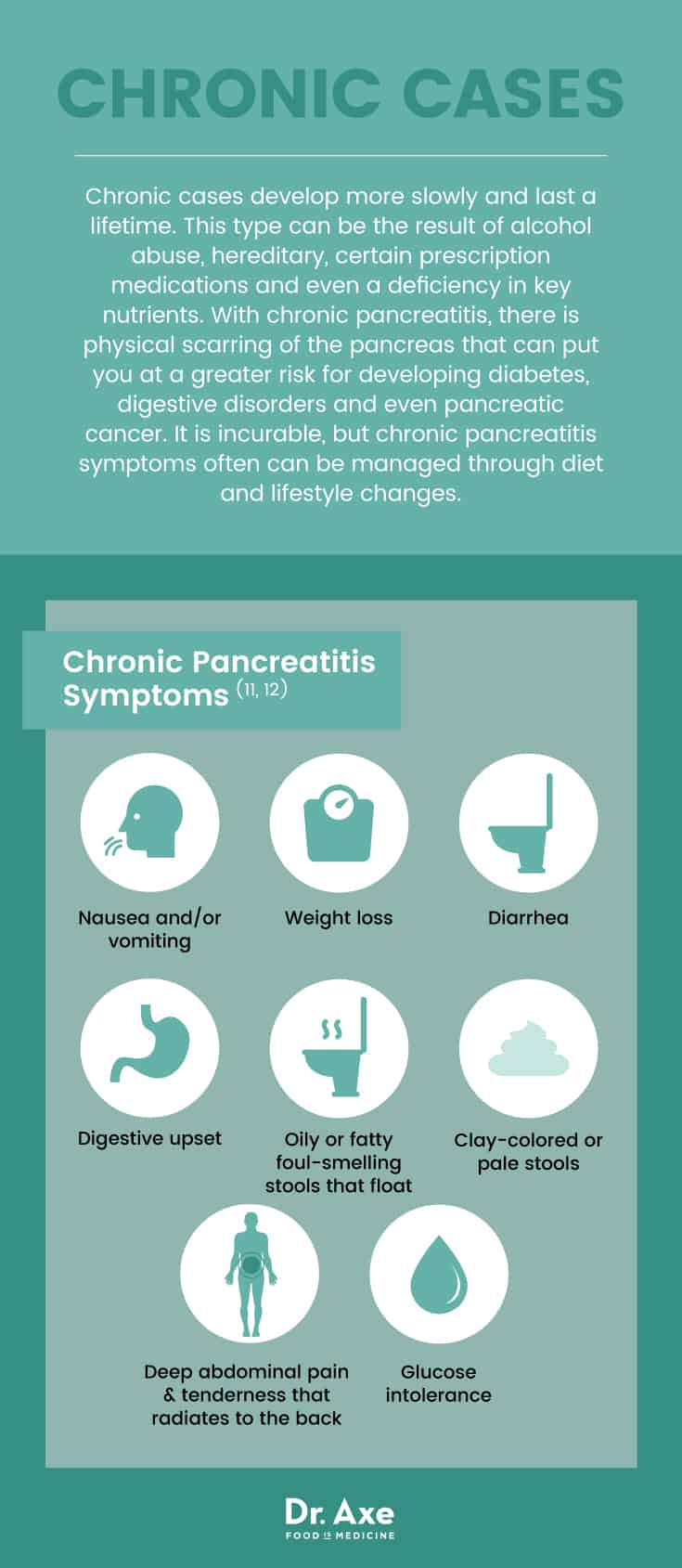
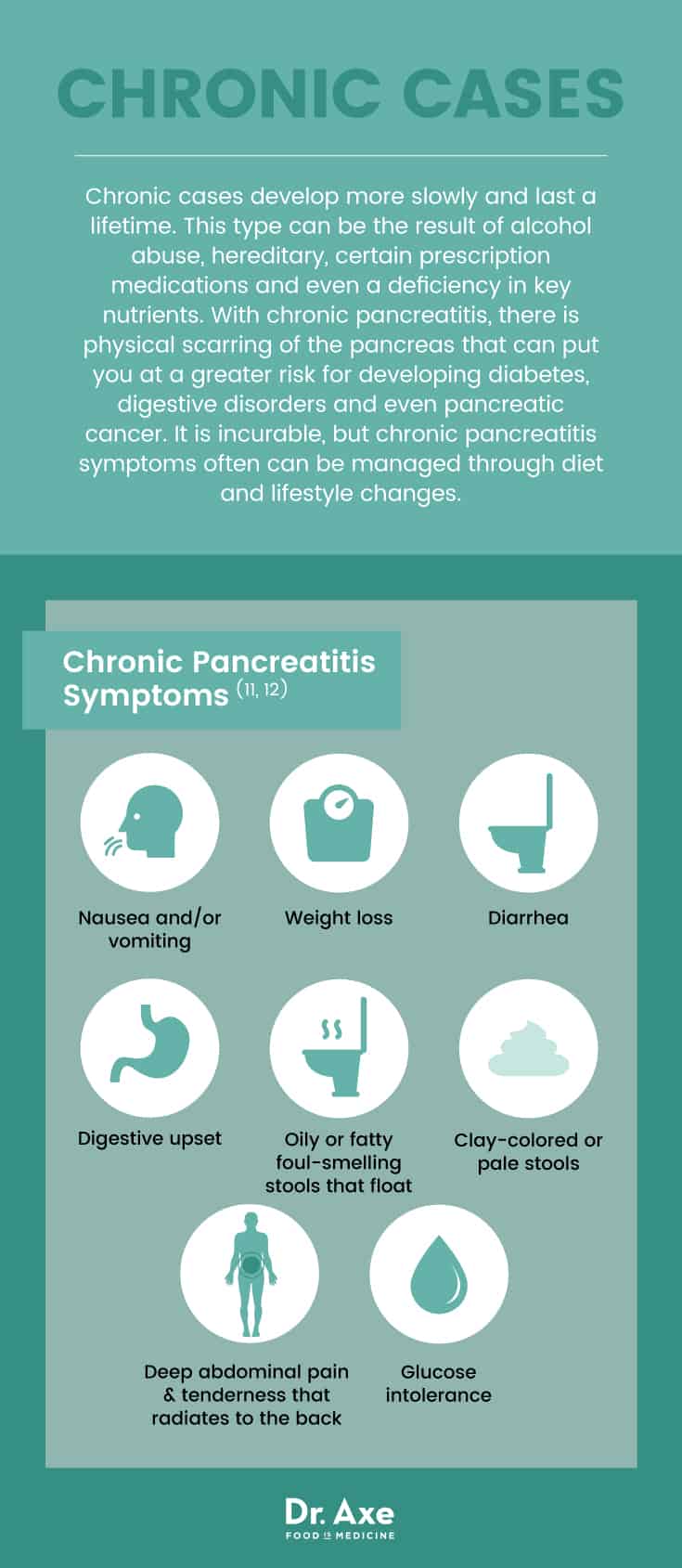
Common symptoms include severe abdominal pain, nausea, and vomiting. The pain often radiates to the back, making it hard to stand or sit up straight. Other symptoms may include fever, rapid pulse, and tenderness in the abdomen.
Persistent symptoms require immediate medical attention. Ignoring these signs can lead to severe complications. Early diagnosis and treatment can make a significant difference.
If you experience these symptoms, consult a doctor promptly. Immediate care can prevent severe damage to the pancreas. Treatment usually involves hospitalization and supportive care.
Identifying Symptoms of Pancreatitis
Recognizing the symptoms of pancreatitis early can be crucial for effective treatment. Common signs include severe abdominal pain, usually in the upper abdomen. This pain often radiates to the back and feels worse after eating.
Common Symptoms
Nausea and vomiting are typical symptoms that accompany the pain. You might also experience a swollen and tender abdomen. Fever and rapid pulse are also common indicators that something is wrong.
Loss of appetite often occurs due to the pain and discomfort. Some people may experience unintentional weight loss. These symptoms can significantly affect daily living.
Diarrhea and oily stools are less common but notable symptoms. This happens when the pancreas doesn’t release enough digestive enzymes. It can lead to malnutrition if not treated promptly.
Advanced or Severe Symptoms
When pancreatitis becomes severe, symptoms can escalate. Severe cases may include dehydration due to persistent vomiting. You might notice rapid heartbeats indicating complications.
Yellowing of the skin and eyes, known as jaundice, can appear. This symptom suggests a blockage in the bile duct. It's a serious condition that needs immediate medical attention.
Shock and organ failure can occur in extreme cases. Patients may experience confusion and disorientation. Hospitals can provide necessary treatments and intensive care for such severe cases.
When to Seek Medical Help
If you experience persistent abdominal pain, seek medical attention. Don’t ignore symptoms like fever, nausea, and vomiting. These could indicate an acute pancreatitis episode.
Unexpected weight loss and oily stools also warrant a doctor's visit. Early diagnosis can prevent complications. Timely treatment can improve outcomes significantly.
Emergency symptoms include jaundice, rapid heart rate, and confusion. Immediate hospitalization is required. Fast action can save lives and minimize long-term damage.
11 Natural Ways to Prevent Pancreatitis
Adopting a healthy lifestyle can significantly reduce the risk of pancreatitis. Start by maintaining a balanced diet rich in fruits and vegetables. Avoiding excessive alcohol consumption is crucial.
- Eat a diet high in fiber and low in fat.
- Drink plenty of water to stay hydrated.
- Avoid smoking, as it can damage the pancreas.
Regular exercise plays a vital role in prevention. Aim for at least 30 minutes of moderate activity daily. This can help in maintaining a healthy weight.
Staying hydrated is another key factor. Drinking plenty of water aids in digestion and keeps the pancreas healthy. Aim for at least eight glasses of water a day.
Limiting the intake of processed foods can also help. These foods often contain unhealthy fats and sugars. Opt for whole grains and lean proteins instead.
- Include omega-3 fatty acids in your diet.
- Avoid sugary beverages and sodas.
- Monitor your blood sugar levels, especially if you have diabetes.
Using Diet to Prevent Pancreatitis
Your diet plays a crucial role in preventing pancreatitis. Eating a balanced diet is key. Focus on foods that are high in nutrients and low in unhealthy fats.
High-fiber foods are excellent for pancreas health. Include plenty of fruits, vegetables, and whole grains in your meals. These foods help in digestion and reduce inflammation.
Lean proteins are another essential part of a pancreatitis-friendly diet. Opt for fish, chicken, and tofu instead of red meat. These sources of protein are lower in fat and easier to digest.
- Choose low-fat dairy products.
- Avoid fried and processed foods.
- Incorporate nuts and seeds, but in moderation.
Limit your sugar intake to prevent pancreas overload. Too much sugar can strain insulin production, increasing the risk of diabetes. Choose natural sweeteners like honey or fruits.
Stay hydrated by drinking lots of water. Hydration aids digestion and keeps your pancreas functioning well. Aim for at least eight glasses of water each day.
Physical Activity and Pancreatitis Prevention
Regular physical activity is essential for pancreatitis prevention. Exercise helps maintain a healthy weight and reduces fat around the pancreas. It also improves overall digestive health.
Aim for at least 30 minutes of moderate exercise daily. Activities like walking, cycling, and swimming are excellent choices. These exercises are low-impact and easy on the joints.
- Walking briskly for 30 minutes
- Cycling on a flat terrain
- Swimming or water aerobics
Strength training is also beneficial. Lifting weights or doing bodyweight exercises twice a week can help. It boosts metabolism and supports healthy muscle mass.
Make sure to stay consistent with your physical activity. Even moderate exercises can make a significant difference over time. Consistency is key to reaping the benefits.
Include flexibility exercises like yoga or stretching. These activities enhance mobility and reduce stress. Stress management is critical for overall well-being and can help prevent pancreatitis.
Effects of Hydration on Pancreatitis
Staying hydrated is essential for preventing and managing pancreatitis. Water aids in digestion and helps the pancreas function efficiently. Drinking enough water can reduce the risk of inflammation.
Hydration helps in flushing out toxins from your body. This is particularly important for people who have had pancreatitis. Keeping your body toxin-free aids in faster recovery.
- Drink at least 8 glasses of water daily.
- Avoid sugary and caffeinated beverages.
- Include water-rich fruits like watermelon.
Dehydration can worsen the symptoms of pancreatitis. It can lead to fatigue and exacerbate abdominal pain. Always carry a water bottle to remind yourself to stay hydrated.
Herbal teas are a good hydration option. They are caffeine-free and can have added health benefits. Peppermint tea, for example, can soothe the stomach.
Balancing electrolyte levels is also crucial. When you sweat, you lose electrolytes which need to be replaced. Drinks like coconut water can help maintain this balance.
Role of Regular Health Check-ups
Regular health check-ups are critical in identifying and preventing pancreatitis. These visits allow doctors to monitor your overall health and catch issues early. Early detection can make treatment more effective.
During a check-up, doctors will often perform blood tests to check for markers of inflammation or abnormalities in the pancreas. Imaging tests may also be used to get a closer look at the pancreas. These diagnostic tools help pinpoint any problems before they become severe.
Discussing your lifestyle habits with your doctor is beneficial. They can offer personalized advice on diet, exercise, and other preventive measures. Adhering to their guidance can significantly lower your risk of pancreatitis.
- Schedule yearly physical exams.
- Update your doctor on any new symptoms or changes in health.
- Follow up on any recommended diagnostic tests promptly.
Pediatricians often suggest regular screenings for children at high risk due to genetic factors. Catching potential problems early ensures that they don’t escalate into serious conditions as they age. For adults, maintaining these regular visits becomes even more essential as other risk factors like alcohol use and diet come into play.
The benefits of routine check-ups extend beyond just monitoring pancreatitis risks. They contribute to better overall health management by tracking changes over time. With accurate medical records, healthcare providers can give more targeted and effective care.
Managing Pancreatitis Naturally
Managing pancreatitis naturally involves lifestyle changes and incorporating certain practices into your routine. A key aspect is maintaining a balanced diet rich in fruits and vegetables. This helps reduce inflammation and supports overall digestive health.
Staying hydrated is also crucial. Drink plenty of water throughout the day to aid digestion and support pancreatic function. Avoid sugary, caffeinated, and alcoholic beverages to further reduce inflammation risks.
- Eat small, frequent meals instead of large ones.
- Include whole grains and lean proteins in your diet.
- Avoid fatty and fried foods.
Regular exercise can help manage pancreatitis symptoms. Activities like walking, swimming, and yoga can improve your overall health. Exercise also helps maintain a healthy weight, which is beneficial for pancreatitis management.
Stress management techniques are equally important. Stress can exacerbate symptoms, so practices such as meditation, deep breathing exercises, and mindfulness can be helpful. Consider setting aside a few minutes each day for relaxation techniques to keep stress levels in check.
Regular medical check-ups are essential for monitoring the condition’s progress. Follow your healthcare provider's advice and keep up with recommended screenings and tests. Early intervention can make a significant difference in managing the condition effectively.
Frequently Asked Questions
Pancreatitis is a condition that affects the pancreas, leading to inflammation. Understanding its symptoms and natural ways to prevent and manage it can be crucial for maintaining good health.
1. What are the most common causes of pancreatitis?
The most common causes of pancreatitis include excessive alcohol consumption and gallstones. Both of these factors can lead to inflammation in the pancreas, making it difficult for the organ to function properly.
Other less common causes can include infections, certain medications, and genetic disorders. In some cases, an individual's lifestyle choices, such as diet and exercise habits, can also play a role in developing pancreatitis.
2. Can diet alone help in managing pancreatitis?
A healthy diet plays a significant role in managing pancreatitis by reducing inflammation. Focusing on high-fiber foods like fruits, vegetables, and whole grains can greatly benefit those with this condition.
Avoiding fatty foods and maintaining consistent hydration levels are equally important dietary considerations. Alongside other lifestyle changes such as regular exercise, diet forms a robust strategy for managing pancreatitis naturally.
3. How does alcohol affect the pancreas?
Alcohol can severely damage pancreatic cells over time, leading to inflammation or chronic pancreatitis. This damage disrupts normal digestive functions and hampers blood sugar regulation.
The risk escalates if consumption is heavy or frequent. Therefore, limiting or completely eliminating alcohol intake is essential for preventing further damage to the pancreas.
4. What lifestyle changes are recommended for preventing pancreatitis?
Makes simple yet effective lifestyle changes like avoiding excess alcohol drinking and quitting smoking improve your pancreatic health significantly. Regular exercise contributes by aiding weight management and overall well-being.
Incorporating stress-relief practices like meditation or yoga can also lower inflammation levels in your body naturally, helping prevent pancreatitis flare-ups.
5. Why are regular medical check-ups important when managing pancreatitis?
Regular medical check-ups are critical in catching early signs of complications related to pancreatitis before they escalate into severe conditions requiring extensive treatment or surgery.
Your healthcare provider can monitor enzyme levels, imaging results, and other vital indicators during routine exams to ensure optimal pancreatic health over time.This proactive approach leads to timely adjustments in treatments, enhancing quality of life while effectively controlling symptoms associated with the disease.
ConclusionEffectively managing and preventing pancreatitis requires a comprehensive approach. By adopting a balanced diet, engaging in regular physical activity, and staying hydrated, you can significantly reduce the risk. Moreover, regular health check-ups are essential for early detection and intervention.
Combining lifestyle changes with professional medical advice creates a robust strategy against pancreatitis. These natural methods not only help in managing symptoms but also improve overall well-being. Prioritizing these practices can lead to a healthier, more fulfilling life.
