What Does Room Temperature Even Mean And Why Does It Matter In Cooking
Ever noticed how your baking recipes insist that eggs and butter be at "room temperature"? This seemingly simple instruction can actually make or break your final dish. Room temperature in cooking, generally considered to be around 68-72°F (20-22°C), ensures that ingredients blend more smoothly and efficiently.
The concept of room temperature has roots in both history and science. In the past, kitchens were naturally kept at this ambient temperature, fostering optimal conditions for food preparation. Today, studies show that ingredients like butter and eggs mix and rise better at this specific range, yielding the ideal texture and consistency in baked goods.
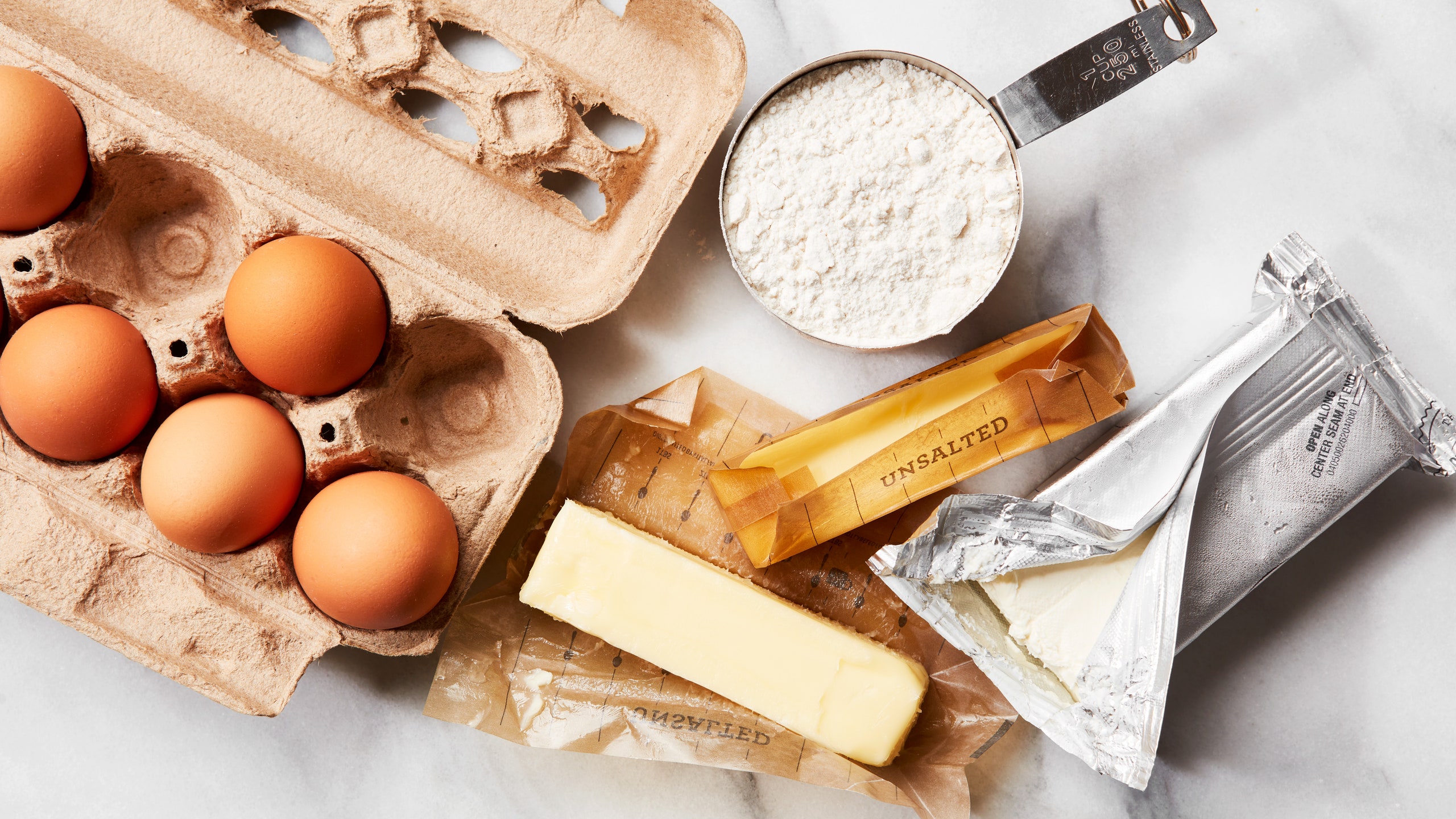
Defining Room Temperature in the Context of Cooking
In cooking, "room temperature" isn't just a vague guess. It's a specific range, often cited as 68-72°F (20-22°C). This temperature range helps ingredients behave predictably.
For example, butter at room temperature is soft and easily mixable. Eggs at room temperature mix better with other ingredients. This consistency impacts the texture and rise of baked goods.
Different settings affect room temperature. In European kitchens, where indoor heating is common, room temperature might slightly differ compared to tropical regions. It's crucial to adjust your cooking based on your kitchen's environment.
Understanding room temperature's role ensures better results. Ingredients need time to reach this temperature for the best outcome. This small step can drastically change the final product.
The Science Behind Room Temperature
Room temperature plays a big role in cooking because it affects how ingredients act. When ingredients like butter and eggs are at room temperature, they mix more smoothly. This creates better texture and consistency in the final dish.
Let’s explore why this happens. When butter is too cold, it doesn't blend well with sugar, affecting the dough or batter. Similarly, cold eggs can cause batter to curdle, leading to poor results.
Room temperature helps yeast activate properly. Bread dough rises better and becomes airy and light. The science shows that small temperature changes can make a huge difference.
Knowing the science behind room temperature helps in achieving perfect cooking and baking results. It improves flavor, texture, and even the appearance of the food. Let’s dive deeper into specific examples and explanations.
Why Butter Needs to Be at Room Temperature
Butter at room temperature is soft and spreadable. This is essential for creaming it with sugar, a common step in baking. The process creates tiny air pockets, contributing to light and fluffy cakes.
If butter is too cold, it remains hard, and mixing becomes tough. Hard butter won't incorporate air properly. This leads to dense and heavy baked goods.
On the other hand, butter that is too warm can be just as problematic. It becomes greasy and won't hold air. Understanding these details can greatly improve your baking results.
The Importance of Room Temperature Eggs
Eggs at room temperature mix better with other ingredients. This is crucial for a smooth batter. Cold eggs can result in a lumpy mixture, affecting the texture.
Warm eggs also whip up to a greater volume. This is important in recipes requiring beaten egg whites, like meringues. Room temperature eggs create more stable and voluminous foam.
Additionally, room temperature eggs help emulsify batters and doughs more effectively. This results in a more even and uniform structure. By ensuring eggs are at the right temperature, you enhance your baked goods.
The Role of Yeast at Room Temperature
Yeast is a living organism that needs the right environment to thrive. Room temperature is ideal for yeast to activate. This ensures proper fermentation, leading to better bread rise.
When yeast is too cold, it works slowly and can result in dense bread. If too warm, yeast may die, ruining the dough. Room temperature provides the balance for optimal yeast activity.
Yeast at room temperature produces carbon dioxide gas more efficiently. This gas forms bubbles in the dough, making it fluffy and light. Ensuring the right temperature helps achieve great bread every time.
The Role of Room Temperature in Baking
Room temperature greatly affects baking. Ingredients like butter and eggs need to be at the right temperature to mix perfectly. This ensures a smooth batter and consistent results.
When baking, butter at room temperature can trap air better. This air expands while baking, leading to light and fluffy cakes. Cold butter won't mix well, resulting in denser baked goods.
Similarly, eggs at room temperature blend more fully with other ingredients. This helps create a uniform batter. Also, room temperature eggs whip up more easily and to a greater volume.
Certain doughs and batters also benefit from room temperature. Yeast-based doughs rise more evenly when all ingredients are at this optimal temperature. This small detail can lead to beautiful, well-risen breads and pastries.
Impact of Room Temperature on Food Safety
Room temperature significantly impacts food safety. When perishable foods are left out too long, they enter the "danger zone" between 40-140°F (4-60°C). Bacteria can grow rapidly within this range, leading to foodborne illnesses.
For example, dairy products and meats should not sit out for more than two hours. If room temperature exceeds 90°F (32°C), the limit drops to just one hour. Following these rules helps prevent harmful bacterial growth.
Room temperature also affects leftovers. Food should be cooled and stored properly to maintain safety. Use shallow containers to chill foods faster, keeping them out of the danger zone.
In addition, thawing frozen food on the counter can be risky. Instead, thaw foods in the refrigerator, under cold water, or in the microwave. This keeps them at a safe temperature during the thawing process.
Properly monitoring room temperature is crucial in maintaining food safety. Consider using a thermometer to keep an eye on your kitchen's ambient temperature. This small step can tremendously impact the safety and quality of your meals.
Safe food handling practices also matter. Always wash hands, utensils, and surfaces thoroughly to avoid cross-contamination. Being mindful of these food safety practices creates a safer cooking environment.
Adjustments for Differing Room Temperatures
Room temperature can vary greatly due to climate and seasonality. This affects how ingredients perform in recipes. Adjustments are often necessary to ensure the best results.
In colder climates, bring cold ingredients to room temperature slowly. Use warm water baths to gently warm butter or eggs. Avoid microwaving, which can overheat and spoil ingredients.
Warmer climates may require cooling techniques. Refrigerate bowls and utensils before starting on certain recipes. This helps keep ingredients from melting or getting too soft.
Humidity also influences cooking. High humidity can add moisture to dry ingredients, altering outcomes. Use a dehumidifier or ensure a well-ventilated kitchen to counteract this.
Several tools can help manage room temperature. Thermometers, air conditioners, and humidifiers are useful.
- Thermometers to monitor ambient temperature
- Air conditioners to keep the kitchen cool
- Humidifiers or dehumidifiers to control moisture levels
Paying attention to room temperature makes a big difference. Remember these tips and tools to maintain optimal conditions. Your cooking and baking will thank you.
Handy Tools for Maintaining Room Temperature
There are several handy tools to help maintain the right room temperature in your kitchen. These tools ensure consistency and better results in cooking and baking.
A kitchen thermometer is essential. It helps you monitor the ambient temperature accurately. Keeping the kitchen within the optimal range is easier with precise readings.
An air conditioner or fan can be very useful, especially in warm climates. These tools help cool down the kitchen, preventing ingredients from getting too warm. They aid in maintaining room temperature during hot days.
In colder areas, a space heater is quite helpful. It ensures the kitchen stays warm enough for ingredients to reach room temperature. This is crucial for recipes requiring soft butter or room-temperature eggs.
Using humidity control devices also plays a part. Dehumidifiers and humidifiers can balance the moisture in the air.
- Dehumidifiers: Remove excess moisture from the air.
- Humidifiers: Add moisture to dry environments.
These tools, when used correctly, significantly impact your cooking success. Investing in them makes kitchen tasks more predictable and your results more consistent. Ensure to choose the right ones based on your specific needs.
Case Study: Room Temperature in Professional Kitchens
Professional kitchens are meticulous about room temperature. Maintaining a consistent and controlled environment is crucial for high-quality results. Let's look at some specific practices they use.
Chefs often rely on precise thermometers to monitor kitchen conditions. This ensures that ingredients perform consistently every time. The right temperature can greatly influence the texture and flavor of dishes.
Bakeries, for example, have climate-controlled proofing rooms. These ensure dough rises evenly and develops optimal flavor. Many pastry kitchens also control humidity to prevent drying or excess moisture.
In warmer climates, professional kitchens use advanced air conditioning systems. These help keep the room temperature stable despite outdoor heat. Chefs adjust their techniques based on these controlled environments.
Specialty restaurants may even adjust their recipes seasonally. They understand how changing room temperatures affect ingredients and cooking processes. This allows them to offer consistently delicious meals year-round.
The tools and techniques used in professional kitchens:
- Advanced air conditioning systems for stable temperatures
- Climate-controlled proofing rooms in bakeries
- Humidity control devices
- Precise kitchen thermometers
This high level of attention ensures consistent quality. By understanding these practices, home cooks can improve their own kitchen results too.
Hacks for Managing Room Temperature in Home Cooking
Managing room temperature in your kitchen can make cooking and baking much easier. These simple hacks can help you achieve great results at home. Consistency is key in any recipe.
If your kitchen tends to be cold, use the oven as a warming station. Preheat it to a low temperature, then turn it off before placing your ingredients inside. This creates a warm environment for items to reach room temperature.
For tropical climates, keep a few key tools handy. Use an ice bath to cool down bowls or ingredients quickly. This prevents them from becoming too warm.
Timing also matters when preparing ingredients. Take items like butter and eggs out of the fridge an hour before you need them. This allows them to naturally come to room temperature.
Humidity control can also be a challenge. A simple hack is to use a dehumidifier or make homemade humidity control packs. Place them near your baking area to maintain the ideal moisture levels.
- Dehumidifiers for moisture control
- Ice baths to cool down ingredients
- Warm oven for cold environments
These hacks make managing room temperature easier. They help create perfect conditions for cooking and baking. By following these tips, you'll find more success in your kitchen tasks.
Frequently Asked Questions
Understanding the significance of room temperature in cooking can make a difference. Here are some commonly asked questions and their answers on this topic.
1. Why should eggs be at room temperature before baking?
Eggs at room temperature mix more easily with other ingredients, ensuring a smoother batter. This helps in creating a uniform texture in your baked goods.
Additionally, room-temperature eggs whip up to a greater volume, which is essential for recipes requiring beaten egg whites. This improves the stability and overall structure of your final dish.
2. How long does it take for butter to reach room temperature?
Typically, butter takes about 30 minutes to one hour to reach room temperature. However, this may vary depending on the ambient kitchen temperature.
An easy way to accelerate the process is to cut butter into smaller pieces or microwave it briefly on low power settings. Be careful not to melt it completely as that changes its consistency.
3. Can I use cold butter in recipes calling for room-temperature butter?
Cold butter doesn't blend well with sugar, affecting the final texture of baked goods. It often results in dense and unevenly baked items.
If you're pressed for time, you can grate cold butter or use a rolling pin to soften it quickly without melting it fully. This method ensures better integration into your recipe.
4. Does humidity affect how ingredients react at room temperature?
Yes, humidity can add moisture to dry ingredients like flour or sugar, altering their performance in recipes. High humidity might necessitate slight adjustments in ingredient amounts.
A simple solution is using climate control devices like dehumidifiers or keeping dry ingredients sealed tightly when not in use. Doing so maintains optimal conditions for cooking and baking.
5. What kitchen tools help maintain consistent room temperature?
A kitchen thermometer helps monitor ambient conditions accurately, allowing you to adjust as needed for optimal results. Simple tools like fans or air conditioners also play a role significantly.
Poor humidity control affects ingredient behavior profoundly; thus using dehumidifiers ensures proper balance making tasks more predictable while maintaining quality throughout various recipes comfortably manageable every day significantly!
Conclusion
Understanding room temperature's role in cooking elevates your culinary skills. This knowledge ensures better texture, flavor, and overall quality in your dishes. Small details, like ingredient temperature, can greatly impact your results.
Equipped with these insights, you're better prepared to tackle any recipe. Consistency in cooking leads to delicious outcomes every time. Keep these tips in mind to enjoy more successful baking and cooking experiences.
