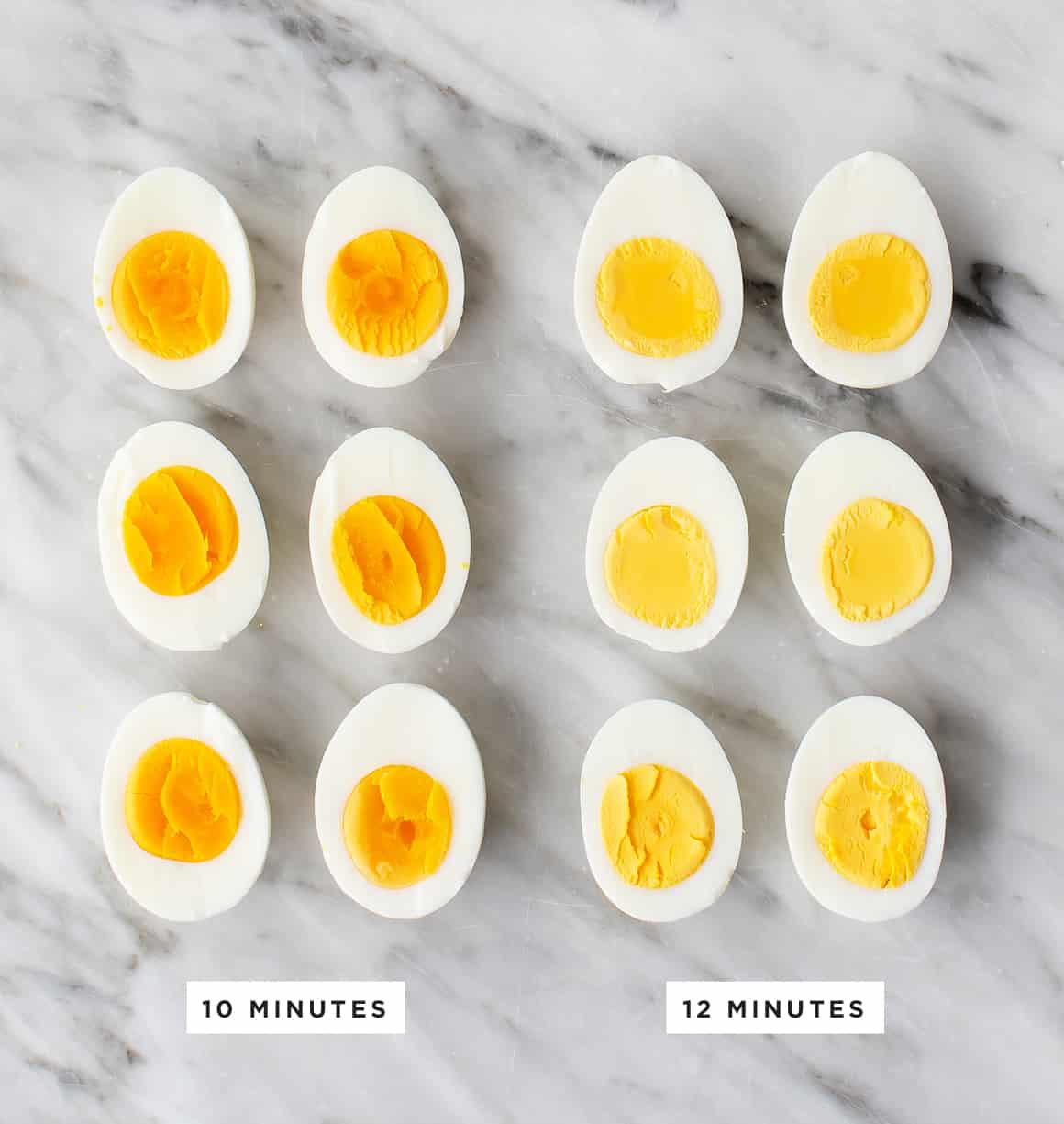
How To Make Hard Boiled Eggs
Believe it or not, the method for making perfectly hard boiled eggs can be traced back to ancient times, illustrating how small culinary techniques have stood the test of time. From breakfast spreads to nuanced dishes, the simplicity and versatility of hard boiled eggs make them a staple in kitchens worldwide. But, how we achieve that consistent, perfect peel remains an art form.
Throughout history, various methods have been employed, but experts generally agree on a few key points. Placing eggs in cold water, bringing them to a boil, and then allowing them to sit for a set period ensures thorough cooking. Interestingly, studies show that the optimal time for hard boiling ranges from 12 to 14 minutes, producing that flawless golden yolk without the unsightly gray ring.
- Place eggs in a pot and cover them with cold water.
- Bring the water to a boil over medium-high heat.
- Once boiling, reduce heat to low and simmer for 9-12 minutes.
- Transfer eggs to an ice bath immediately to cool.
- Peel the eggs under running water for easiest results.
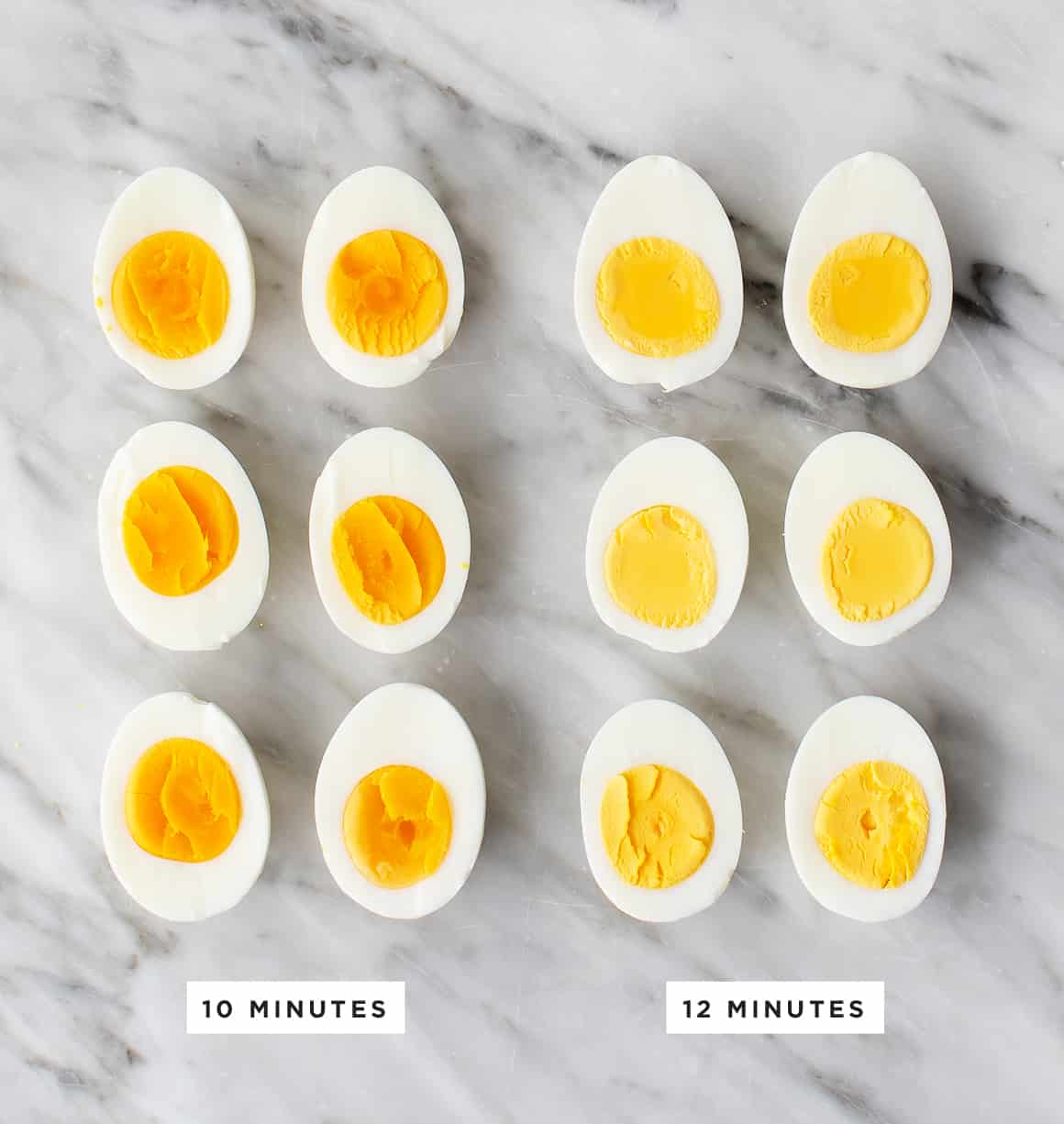
The Ingredients and Tools Needed
The first thing you'll need is a reliable supply of fresh eggs. The fresher the eggs, the better they'll taste. Make sure to also have some salt on hand, which can help prevent the eggshells from cracking during boiling.
Next, gather your kitchen tools. You'll need a pot large enough to hold all the eggs you plan to cook. A slotted spoon is also helpful for removing the eggs from the hot water.
Another essential tool is a bowl of cold water or an ice bath. This is important for cooling the eggs quickly once they're done cooking. Rapidly cooling the eggs helps make them easier to peel.
Finally, a timer is crucial to ensure you cook the eggs for the right amount of time. Overcooking or undercooking can ruin the texture. A kitchen timer or even the timer on your phone will work just fine.
Choosing the Right Eggs for Hard-Boiling
Selecting the right eggs is crucial for perfect hard-boiled eggs. Freshness, size, and type are the main factors to consider. Let's break these down further.
Freshness of Eggs
Fresh eggs are not always the best for hard-boiling. Older eggs are easier to peel because the pH level of the whites increases over time. This makes the membrane less sticky.
When buying eggs, aim for those that are a week or two old. You can still get great results with fresher eggs, but peeling might be more challenging. Check the expiration date on the carton for guidance.
Another tip is to let the eggs sit in the refrigerator for a few days before boiling. This helps achieve that easier peel. Fresh eggs tend to stick to the shell more, making peeling difficult.
Egg Size
Egg size affects cooking time. Larger eggs need more time to cook thoroughly. Understand your egg size to adjust your boiling time accordingly.
In general, medium to large eggs are preferred for hard-boiling. They are easier to handle and fit into most recipes seamlessly. If you use extra-large eggs, add an extra minute to your boiling time.
Smaller eggs might cook faster, but they can be trickier to peel uniformly. Consistency in size helps maintain uniform cooking.
Type of Eggs
The type of eggs you choose also plays a role. Free-range, organic, and conventional eggs all boil differently. Each type has its benefits.
Free-range and organic eggs often have richer yolks. However, they may have a thicker shell, which can influence peeling. Conventional eggs are typically easier to find and often have a more predictable shell thickness.
Consider experimenting with different types to see what works best for you. The quality of the egg can affect not only the texture but also the flavor.
The Importance of Temperature
Temperature plays a crucial role in making perfect hard-boiled eggs. Starting with cold water ensures even cooking. Rapid changes in temperature can cause eggs to crack.
Once the water reaches a boil, reduce the heat to a simmer. This gentle heat helps cook the eggs thoroughly without overcooking. Boiling too vigorously can make the whites rubbery.
After cooking, it's vital to cool the eggs quickly. An ice bath stops the cooking process immediately. This prevents overcooked, greenish yolks.
The final temperature step is storage. Keep boiled eggs in a cool place like the refrigerator. Proper temperature control ensures your hard-boiled eggs stay fresh longer.
Proper Boiling of the Eggs
Start by placing your eggs in a single layer at the bottom of a pot. Adding too many eggs can cause uneven cooking. Ensure the pot is large enough for the eggs to move freely.
Next, fill the pot with cold water, about an inch above the eggs. Using cold water helps the eggs cook evenly from the start. This method prevents the outer part from overcooking while the inside remains undercooked.
Bring the water to a rapid boil over medium-high heat. Once the water is boiling, reduce the heat to low and let it simmer. Simmering is crucial for maintaining the perfect temperature without overcooking.
Set your timer according to the size of the eggs. For medium-sized eggs, 9-12 minutes is ideal. Larger eggs may need about 12-15 minutes for the best results.
After boiling, transfer the eggs to an ice bath immediately. This rapid cooling stops the cooking process instantly. It also helps make the eggs easier to peel.
Finally, once cooled, tap the eggs gently on a hard surface to crack the shell. Roll the egg between your hands to loosen the shell. Under running water, peel the shell off for effortless removal.
Timing for Hard-Boiled Eggs
Timing is everything when it comes to hard-boiled eggs. Overcooking can lead to a rubbery texture, while undercooking leaves a runny center. Finding the sweet spot is key.
The ideal cooking times differ based on egg size. Medium eggs require about 9-12 minutes for perfect doneness. Larger eggs might need 12-15 minutes to be thoroughly cooked.
For soft-boiled eggs with a runny yolk, 6-7 minutes generally does the trick. This short time keeps the center soft. But, hard-boiled eggs need more time to fully solidify.
Using a timer guarantees precise results. Set the timer as soon as the water hits a boil. Consistency in timing ensures every batch turns out as expected.
Once your timer goes off, move the eggs to an ice bath right away. This halts the cooking process immediately. Leaving them in hot water longer can lead to that unwanted greenish yolk color.
For varied preferences, here’s a quick guide:
- Soft-Boiled: 6-7 minutes
- Medium-Boiled: 9-12 minutes
- Hard-Boiled: 12-15 minutes
Cooling and Peeling the Eggs
Cooling your eggs quickly is essential for easy peeling. Once the cooking time is up, transfer the eggs to an ice bath immediately. This stops the cooking process and helps the egg whites contract, making peeling easier.
Let the eggs sit in the ice bath for at least 5-10 minutes. This allows them to cool completely. If you're in a hurry, running the eggs under cold water can also work.
When it’s time to peel, gently tap the egg on a hard surface to crack the shell. Roll the egg between your hands to loosen the shell. Doing this under running water can help wash away small shell fragments.
Start peeling from the wider end of the egg, where there's usually an air pocket. This pocket makes it easier to get under the membrane. Removing the shell should be simpler and cleaner this way.
If you still have trouble peeling, try peeling under water. The water can get between the shell and the egg, easing the process. A bit of patience and these tips will help you get perfectly peeled eggs.
Proper Storage of Hard-Boiled Eggs
Proper storage is key to keeping your hard-boiled eggs fresh and safe to eat. After cooling, store the eggs in a covered container in the refrigerator. Make sure they are kept at a consistent, cold temperature.
If you choose to peel your eggs before storing, place them in an airtight container. Add a damp paper towel inside to keep the eggs from drying out. This method helps maintain their texture.
Hard-boiled eggs can usually be stored for up to one week in the fridge. Write the date on the container so you remember when you made them. Using older eggs quickly ensures they don't go to waste.
Avoid leaving hard-boiled eggs at room temperature for more than two hours. Bacteria growth can make them unsafe to eat. Always return uneaten portions back to the refrigerator promptly.
If you're planning a picnic or travel, use a cooler with ice packs. Keeping them chilled during transport maintains their freshness and safety. Follow these guidelines and you'll have perfectly stored hard-boiled eggs ready whenever you need them.
Troubleshooting Common Problems
Hard-boiled eggs can present a few common problems. Sometimes, eggs crack during boiling. To avoid this, start with room temperature eggs and add a pinch of salt to the water.
Another issue is when the yolk turns greenish-grey. This happens from overcooking the eggs. To prevent this, ensure you follow the recommended boiling times and cool the eggs immediately after cooking.
Peeling can be a frustrating task for some. If the shell sticks to the white, it could be a sign that your eggs are too fresh. Older eggs are easier to peel because of their higher pH levels.
If your eggs have uneven coloring or rubbery whites, the water temperature might be too high. Lowering the heat to a gentle simmer can resolve this. Consistent low heat ensures even cooking throughout the egg.
For eggs that aren’t cooking consistently, try rearranging them gently during the cooking process. Using a pot that's too small can lead to uneven heat distribution. Ensuring the eggs have enough room can make a big difference.
Frequently Asked Questions
Here are some common questions and answers about making perfect hard-boiled eggs. These tips will help ensure your eggs always turn out great.
1. Why do my hard-boiled eggs sometimes have a green ring around the yolk?
The green ring around the yolk is usually caused by overcooking. When eggs are boiled for too long, the iron in the yolk reacts with sulfur in the white, creating a greenish compound called ferrous sulfide.
To avoid this, make sure to cook your eggs for the recommended time and cool them quickly in an ice bath immediately after boiling. This stops the cooking process and prevents overcooking.
2. How can I make peeling hard-boiled eggs easier?
The peeling process can be tricky if the eggs are too fresh. Fresh eggs have a lower pH, which makes their whites stick to the shell more.
For easier peeling, use eggs that are at least a week old, or add a teaspoon of baking soda to the boiling water to increase its pH levels. Rapidly cooling them in an ice bath also helps loosen the shells.
3. Can you store hard-boiled eggs at room temperature?
No, storing hard-boiled eggs at room temperature is not safe for long periods. Bacteria can grow rapidly on unrefrigerated cooked foods, including hard-boiled eggs.
It's best to store them in a covered container in the refrigerator within two hours of cooking. They will remain safe to eat for up to one week when properly stored.
4. What's the best way to prevent cracked shells during boiling?
Certain measures can help prevent egg shells from cracking while boiling. Start by placing cold or room-temperature eggs into cold water before heating.
Avoid putting them directly into already boiling water, as this sudden temperature change can cause cracks. Adding salt or vinegar to the water may also strengthen the shells and minimize cracking risks.
5. Is there a difference between brown and white eggs when making hard-boiled eggs?
No significant difference exists between brown and white eggs regarding their quality or how they should be boiled. The color difference only indicates different chicken breeds.
Nutritional content remains largely unaffected by shell color; both types yield similar results for hard-boiling needs thanks primarily due equally important factors such freshness size being much greater contributors overall outcome integrity successful endeavor ultimately speaking here involved!
Conclusion
Making perfect hard-boiled eggs is a blend of selecting the right eggs, timing, and temperature control. Each step, from boiling to cooling, plays a crucial role in achieving the desired texture and flavor. Following these guidelines ensures consistent results every time.
Whether you're making a quick snack or preparing for a larger meal, mastering hard-boiled eggs adds versatility to your culinary skills. Keep these tips in mind, and you'll have perfectly cooked eggs ready to impress at any occasion.
