Boost The Flavor Of Your Cocktails With Oleo Saccharum
Imagine elevating your cocktails just by using a simple, century-old method of flavor extraction. Oleo Saccharum, a term that might sound fancy, is essentially a flavorful syrup derived from citrus peels and sugar. This traditional technique has intrigued bartenders for ages, and for good reason.
Historically, Oleo Saccharum has roots in classic punch making, where it was prized for its rich and complex citrus essence. This method is not only a sophisticated way to enhance drinks but also remarkably efficient; it uses peels that would otherwise be discarded, transforming them into a vibrant flavor enhancer. Integrating Oleo Saccharum into your recipes can significantly amp up the depth and subtlety of your cocktails, making each sip a multilayered delight.
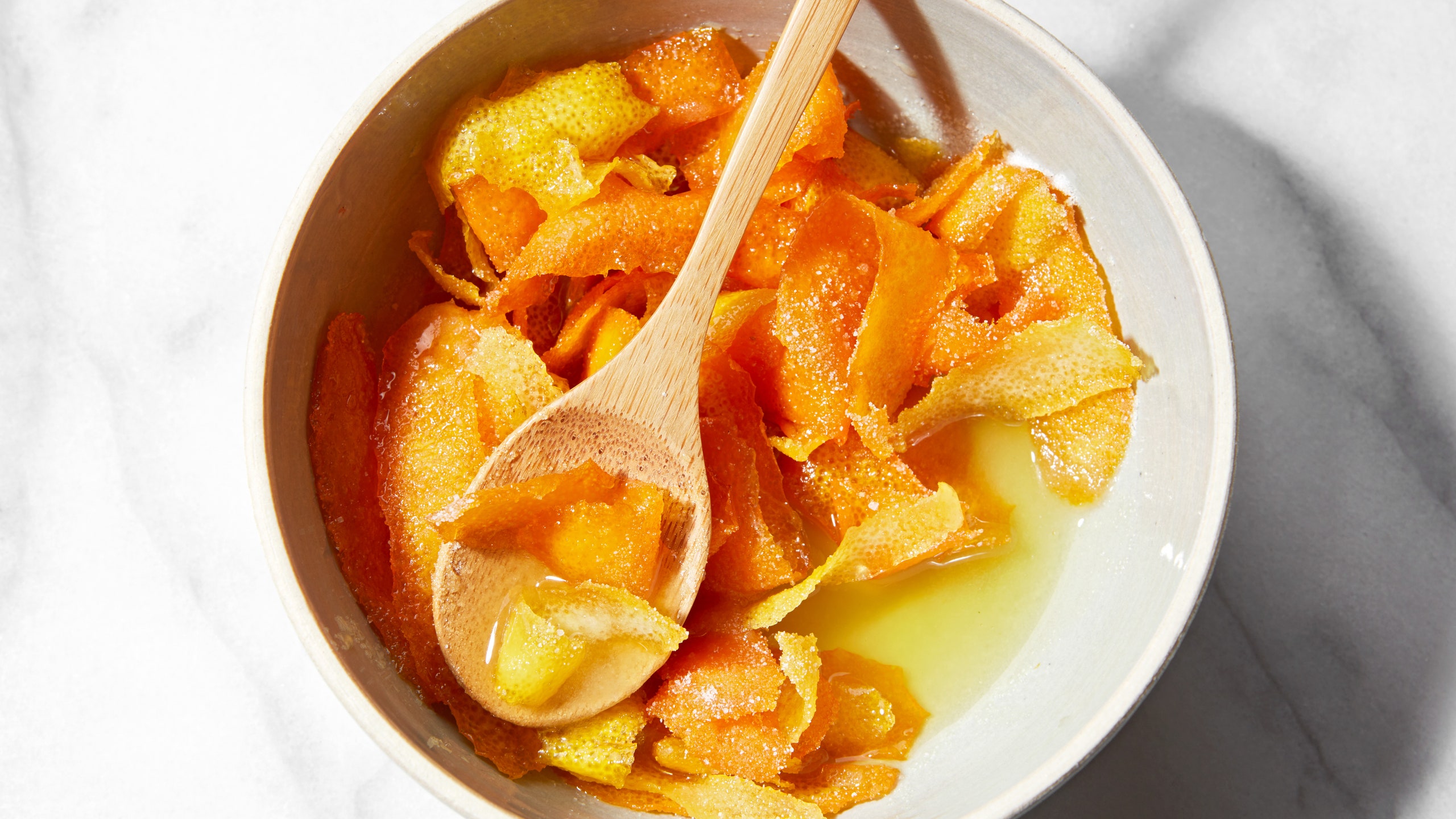
Unveiling the Magic of Oleo Saccharum
Oleo Saccharum, a term that translates to "oil sugar," is a game-changer in the world of cocktails. This mix of citrus peels and sugar creates a syrup rich in flavor. It's an age-old technique that dates back to the 17th century.
Initially used in historic punch recipes, Oleo Saccharum is now making a modern comeback. The method involves using sugar to extract essential oils from citrus peels. These oils are what give your cocktails that extra zing.
Creating Oleo Saccharum is simple but requires some patience. You start by taking the peels of your favorite citrus fruits. Cover them with sugar and let them sit until the oils blend with the sugar, creating a fragrant syrup.
What makes Oleo Saccharum truly magical is its versatility. Not only does it enhance the flavors of cocktails, but it can also be used in non-alcoholic drinks and even in cooking. Its unique flavor profile adds depth and complexity, making any beverage or dish extraordinary.
The Science Behind Flavor Extraction
The art of flavor extraction in Oleo Saccharum relies heavily on the interaction between citrus peels and sugar. This process is quite simple yet incredibly effective. The sugar works to draw out the essential oils from the peels.
These essential oils are packed with flavor. When they combine with sugar, they create a rich and aromatic syrup. This syrup becomes the secret weapon in enhancing any cocktail's taste.
At a molecular level, sugar acts as a desiccant, pulling moisture out of the citrus peels. This process, known as osmosis, helps in breaking down the peels and releasing their oils. Let’s delve deeper into this fascinating process.
The Role of Sugar in Extraction
Sugar is crucial in this extraction process. It helps break down the cell walls of the citrus peels. Even a small amount of sugar can extract a significant amount of oil.
As the sugar draws out the oils, it begins to dissolve, forming a syrup. This syrup is not only sweet but also richly flavored. The result is a concentrated essence of the citrus fruit.
This method of extraction is widely used in both cooking and mixology. It ensures that none of the potent flavors are wasted. The citrus oils provide a depth that mere juice can’t achieve.
The Chemistry of Citrus Oils
Citrus oils are composed of various aromatic compounds. These compounds include limonene, linalool, and citral. Each of these contributes to the unique aroma and flavor profile.
Limonene gives that distinctive citrus scent. Linalool adds floral notes, while citral provides a fresh, lemony taste. When combined, these compounds create a complex and balanced flavor.
The extraction process captures these compounds effectively. This makes Oleo Saccharum a powerful ingredient in enhancing flavors. It’s like capturing the essence of a citrus fruit in a bottle.
Practical Applications of Flavor Extraction
One of the most common uses of Oleo Saccharum is in cocktails. It adds an unparalleled depth and richness. Mixologists adore it for its ability to transform drinks.
This syrup is also excellent in non-alcoholic beverages. It can be used in lemonades, iced teas, and even in baking. The versatile nature of Oleo Saccharum makes it a kitchen staple.
The science behind flavor extraction is not just fascinating but also incredibly useful. Understanding it allows you to get the most out of your ingredients. It opens the door to endless culinary possibilities.
Making Your Own Oleo Saccharum
Creating Oleo Saccharum at home is both simple and rewarding. The process requires just a few ingredients: citrus peels and sugar. The key is patience, allowing the ingredients to meld perfectly.
First, gather your favorite citrus fruits. You can use lemons, oranges, grapefruits, or limes. Make sure to wash and peel them, avoiding any bitter white pith.
Next, place the peels in a bowl and cover them with sugar. Use enough sugar to coat all the peels thoroughly. Let this mixture sit for several hours, or even overnight, to extract the oils.
Once the oils have blended with the sugar to create a syrup, strain out the peels. Your Oleo Saccharum is now ready. This sweet, aromatic syrup can transform your cocktails and other recipes with its concentrated citrus flavor.
Tips for Perfecting Your Oleo Saccharum
To elevate your Oleo Saccharum, choose the freshest, most aromatic citrus fruits. Organic fruits are often the best choice as they are free from pesticides. This ensures that you extract pure, untainted oils.
When peeling the citrus, avoid the white pith. The pith is bitter and can affect the flavor of your syrup. Focus on getting just the colorful outer skin.
Using a variety of citrus fruits can add depth to your Oleo Saccharum. For example, mixing oranges, lemons, and grapefruits can create a more complex flavor. This combination also results in a beautifully balanced syrup.
After covering the peels with sugar, it's important to let the mixture sit long enough. Patience is key. The longer you wait, the more oils will be extracted, leading to a richer syrup.
Once you've created your Oleo Saccharum, store it properly to maintain its flavor. Use an airtight container and keep it in the refrigerator. This will ensure it stays fresh and aromatic for weeks.
Finally, experiment with spices and herbs to personalize your syrup. Adding a cinnamon stick or some fresh mint can create unique variations. Your Oleo Saccharum can become a signature ingredient in your cocktail creations.
Exploring Variations of Oleo Saccharum
One way to explore the diversity of Oleo Saccharum is by experimenting with different citrus fruits. Each type of fruit brings its own unique flavor. For instance, using blood oranges can add a sweeter, more complex taste.
Another variation involves adding spices and herbs to your mixture. Common additions include cinnamon sticks, cloves, and fresh mint. These ingredients can transform your syrup into something truly special.
You might also consider experimenting with different types of sugar. Brown sugar or turbinado sugar can give your Oleo Saccharum a richer, molasses-like flavor. This can add a deeper sweetness to your cocktails.
Don't limit yourself to just citrus fruits. You can use peels from other fruits like apples or pears to create unique flavors. Combining these with traditional citrus peels can open up a world of possibilities.
Here are some ideas to try with your Oleo Saccharum:
- Blood orange and cinnamon
- Grapefruit and clove
- Lemon and fresh mint
- Mix of orange, lemon, and ginger
These variations not only enhance the flavor but also add a personal touch to your creations. Experimentation is key. Trying different ingredients allows you to tailor the syrup to your taste preferences.
The Role of Oleo Saccharum in Classic Cocktails
Oleo Saccharum has a key role in many classic cocktails. It originated as a key component in traditional punch recipes. This syrup is valued for its ability to enhance flavors.
One of the most famous drinks that use Oleo Saccharum is the traditional punch. This drink dates back to the 17th century. The Oleo Saccharum adds depth and complexity.
Apart from punches, it's also used in the classic Old-Fashioned cocktail. The syrup replaces simple sugar, adding a citrusy twist. This makes the drink more nuanced and vibrant.
The versatile nature of Oleo Saccharum makes it a must-have in any bar. It effortlessly elevates simple cocktails to new heights. Bartenders and mixologists rely on it to create balanced, flavorful drinks.
Traditional drinks that feature Oleo Saccharum:
- 17th-century punch
- Old-Fashioned
- Classic Whiskey Sour
- Gin Punch
The timeless appeal of Oleo Saccharum is due to its rich and layered flavors. It has remained a staple in cocktail-making for centuries. Adding it to your cocktails can bring a touch of history and a burst of flavor.
Modern Cocktails Incorporating Oleo Saccharum
Today, Oleo Saccharum is a popular ingredient in many modern cocktails. Bartenders love it for its ability to add depth and richness. It brings an old-world charm to contemporary drinks.
The syrup works wonderfully in a variety of cocktail styles. It can be used in fruity summer cocktails as well as rich winter drinks. This versatility makes it indispensable in any bar setting.
- Oleo Margarita
- Citrus Martini
- Tropical Rum Punch
- Mediterranean Gin Tonic
An exciting example is the Oleo Margarita. This twist on the classic margarita uses Oleo Saccharum instead of simple syrup. The result is a drink that's both refreshing and deeply flavored.
The Citrus Martini also benefits from this special syrup. By using different citrus peels, you can create unique versions of this elegant cocktail. The martini gets a complex flavor that tantalizes the taste buds.
Tropical Rum Punch is another brilliant use of Oleo Saccharum. The sweet, citrusy syrup complements the rum perfectly. This drink is ideal for beach parties or summer gatherings.
Bartenders continue to innovate with Oleo Saccharum, making it a staple beyond just classic recipes. Modern mixology appreciates its robust flavor profile and adaptability. Exploring these modern cocktails showcases how tradition can meet contemporary creativity in a glass.
Savvy Applications Beyond Cocktails
Oleo Saccharum isn't just for cocktails; it offers immense versatility in the kitchen. Its rich, citrusy flavor can enhance a variety of dishes. It opens the door to experimentation beyond mixed drinks.
In baking, Oleo Saccharum can be used to add a unique twist to your favorite recipes. Try mixing it into cake batter or cookie dough for a citrusy kick. It can also be drizzled over pastries or used in frostings.
Another interesting use is in salad dressings. The sweet and tangy flavor pairs well with vinaigrettes. Use it to elevate simple salads, adding both sweetness and complexity.
- Citrus-glazed chicken
- Tangy salad dressings
- Flavorful marinades
- Syrups for pancakes and waffles
Oleo Saccharum also shines in marinades for meats. Its citrus oils can tenderize meats while adding robust flavor. Perfect for grilling season, it makes an excellent addition to chicken, pork, or fish.
Don't forget about breakfast! This syrup is delicious when drizzled over pancakes or waffles. It brings a fresh, zesty note to your morning meals, making breakfast a little more special.
The syrup’s adaptability makes it a staple in both the bar and the kitchen. From sweet treats to savory dishes, Oleo Saccharum can transform ordinary recipes into extraordinary culinary experiences. Its multiple applications make it a must-have for any chef or home cook looking to enhance their dishes.
Frequently Asked Questions
Learn more about how to enhance your cocktails with Oleo Saccharum. These questions cover the basics and offer useful tips.
1. What is Oleo Saccharum?
Oleo Saccharum is a syrup made by extracting essential oils from citrus peels using sugar. This syrup adds rich, complex flavors to cocktails, making them taste more vibrant and aromatic.
The process involves letting citrus peels sit in sugar until the oils are released and combine with the sugar. This technique dates back to historic punch recipes but is now gaining popularity in modern mixology.
2. How do you make Oleo Saccharum at home?
To make Oleo Saccharum at home, start by peeling fresh citrus fruits like lemons or oranges. Ensure you avoid any bitter white pith. Cover these peels with sugar in a bowl and let them sit for several hours or overnight.
Afterward, strain out the peels, leaving a fragrant, flavorful syrup behind. This homemade Oleo Saccharum can be used to elevate various cocktails or even non-alcoholic drinks.
3. What types of citrus fruits can be used?
You can use various citrus fruits such as lemons, oranges, limes, and grapefruits for making Oleo Saccharum. Each fruit offers its own unique flavor profile that can add different depths of flavor to your cocktails.
Tangerines and blood oranges are also excellent options for creating a sweeter or more tart version of the syrup. Mixing multiple types of citrus can result in a well-balanced and complex syrup.
4. Can I use other ingredients besides citrus peels?
Yes, you can experiment with adding spices and herbs like cinnamon sticks, cloves, or mint leaves to your mixture. These additions can create unique variations of Oleo Saccharum that enhance different kinds of cocktails.
You could also try combining other fruit peels such as apple or pear with the traditional citrus peels to create even more adventurous flavors in your syrups.
5. How long does homemade Oleo Saccharum last?
If stored properly in an airtight container in the refrigerator, homemade Oleo Saccharum can last for up to two weeks. Proper storage helps maintain its rich flavors and aromatic qualities without spoilage.
If you notice any change in smell or appearance over time, it's best to discard it and make a fresh batch to ensure quality results in your drinks every time.
Conclusion
Oleo Saccharum is an invaluable tool in the world of mixology. Its rich flavors and aromatic profile lend complexity to any drink, making it a must-have for both classic and modern cocktails. This versatile syrup also offers exciting possibilities beyond cocktails, from baking to marinades.
By experimenting with different citrus fruits and additional ingredients like spices and herbs, you can create personalized versions of Oleo Saccharum. These variations allow you to tailor the syrup to your taste preferences, elevating your culinary creations. Embrace the magic of Oleo Saccharum and watch your drinks and dishes transform.
