Gallstones Symptoms Risk Factors 5 Natural Treatments
Imagine experiencing intense abdominal pain, only to find out tiny stones in your gallbladder are the culprits. This scenario isn't as uncommon as one might think. Gallstones affect approximately 10-15% of the U.S. population, causing a notable discomfort that demands attention.
Gallstones, hardened deposits that form in the gallbladder, can lead to symptoms like nausea, vomiting, and severe pain below the right ribcage. Risk factors include obesity, a high-fat diet, and even certain ethnicities have higher prevalence rates. Fortunately, there are natural treatments such as dietary adjustments, regular exercise, and herbal remedies like turmeric that can aid in managing and preventing gallstones.
What are Gallstones?
Gallstones are small, hardened deposits that form in the gallbladder. The gallbladder is a small organ located under your liver. It stores bile, a digestive fluid produced by the liver.
Gallstones can be as small as a grain of sand or as large as a golf ball. They can cause pain when they block the bile ducts. This pain is known as a gallbladder attack or biliary colic.
There are two main types of gallstones. Cholesterol gallstones, which are usually yellow-green, are the most common. Pigment gallstones are smaller and darker, formed from bilirubin.
Gallstones develop when there is too much cholesterol or bilirubin in the bile. Poor diet and rapid weight loss are common causes. Sometimes, even without symptoms, gallstones may be discovered during imaging tests for other conditions.
Symptoms of Gallstones
Many people with gallstones have no symptoms at all. However, when symptoms occur, they can be quite painful. The most common symptom is sudden, severe pain in the upper right abdomen.
Other symptoms can include back pain between the shoulder blades. Some people also experience pain in the right shoulder. Nausea and vomiting are also common.
These symptoms often occur after eating fatty meals. If a gallstone gets stuck in a bile duct, it can cause inflammation or infection. This complicates things and increases the severity of symptoms.
Risk Factors for Gallstones
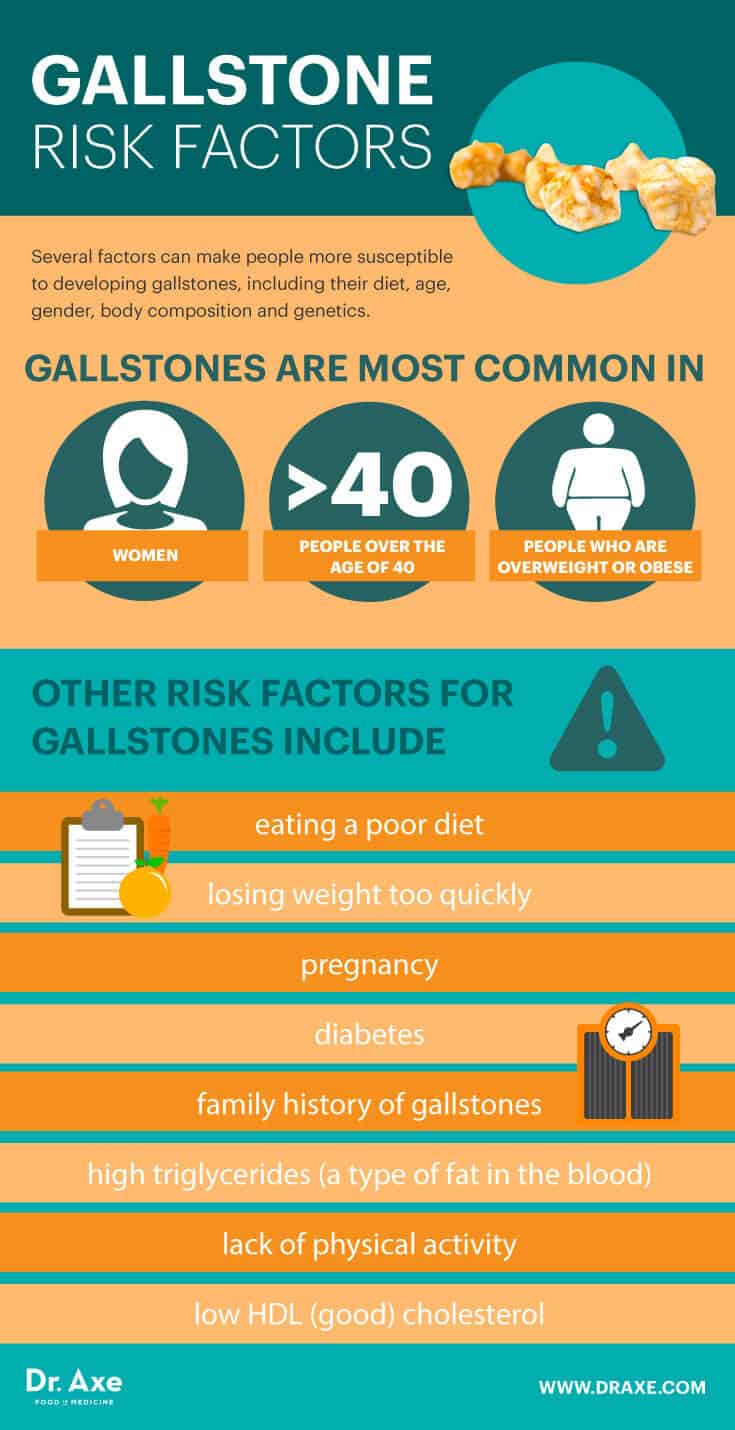
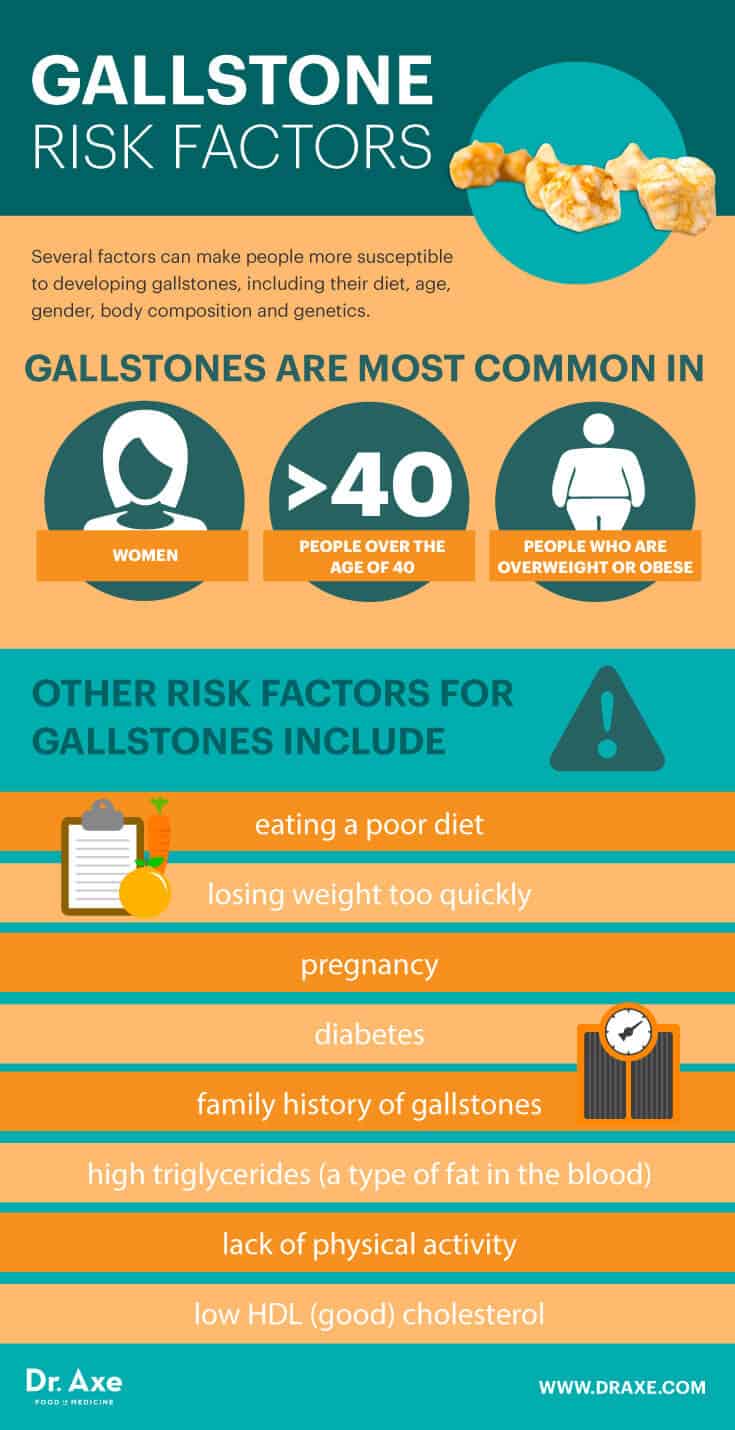
Several factors increase the risk of developing gallstones. Being overweight or obese is a significant risk factor. People who lose weight quickly are also at higher risk.
Other risks include being female, being over 40, and having a family history of gallstones. Also, certain diets high in fat and cholesterol can contribute. Diabetes and certain medical conditions can also elevate the risk.
Ethnicity plays a role too. Native Americans and Mexican Americans have higher rates of gallstones. Hormone therapy and pregnancy are additional risks for women.
Diagnosis and Treatment
Diagnosing gallstones usually involves imaging tests, such as ultrasound. Blood tests can also help detect complications. The most definitive way to diagnose is through images showing the stones.
Treatment options vary based on the severity of symptoms. For those with no symptoms, doctors may recommend a wait-and-see approach. Medications can dissolve gallstones, but surgery is often more effective.
The most common surgery is a cholecystectomy, where the gallbladder is removed. This is usually done using laparoscopic techniques, which are less invasive. Recovery from this surgery is generally quick, and it prevents future gallstones.
Identifying Symptoms of Gallstones
Gallstones can sometimes cause significant discomfort. When these small stones block the bile ducts, symptoms often arise. The most noticeable symptom is sudden pain in the upper right abdomen.
This pain can be very intense and may last for several hours. It could spread to your back or right shoulder. Sometimes, it might be mistaken for chest pain.
Other symptoms include nausea and vomiting. These often occur after eating meals that are high in fat. Some people also experience bloating and indigestion.
If you notice yellowing of your skin or eyes, it might indicate a more serious issue. This condition, called jaundice, can happen if a gallstone causes an infection. Always seek medical advice if you experience these symptoms.
Severity and Occurrence of Pain
The pain from gallstones can be sharp and sudden. It usually happens after eating, especially fatty meals. This pain is often described as a stabbing sensation.
The intensity can vary from moderate to unbearable. Sometimes, the pain is severe enough to wake you up at night. It's primarily located below the rib cage on the right side but can radiate to the back.
Doctors often call this a gallbladder attack. These attacks can last anywhere from a few minutes to several hours. Over-the-counter pain relievers might not work well for this type of pain.
Digestive System Issues
Besides pain, gallstones can cause several digestive problems. Common symptoms include nausea and vomiting. These issues frequently occur after eating a heavy or fatty meal.
Many people with gallstones also experience bloating. They may feel overly full or gassy. Indigestion is another frequent complaint, making it uncomfortable to eat.
In some cases, people can also suffer from chronic diarrhea. This means having three or more bowel movements each day for at least three months. Gallstones can disrupt the digestive process, leading to these symptoms.
When to Seek Medical Attention
It’s crucial to know when to seek medical help for gallstones. If you experience intense pain that doesn't go away, consult a doctor. You should also get help if you have a fever or chills along with the pain.
Another red flag is jaundice, or yellowing of the skin and eyes. This could indicate a blocked bile duct, requiring immediate treatment. Ignoring these symptoms can cause serious complications.
If left untreated, gallstones can lead to infections or even pancreatitis. Pancreatitis is inflammation of the pancreas and can be life-threatening. Always take symptoms seriously and seek medical advice when in doubt.
Understanding Risk Factors for Gallstones
Several factors can increase your risk of developing gallstones. One major factor is being overweight or obese. Excess body fat can raise cholesterol levels in bile, leading to stone formation.
Diet also plays a crucial role. Eating a high-fat, low-fiber diet can contribute to gallstone development. Rapid weight loss from diets can also increase the risk, as it disrupts the balance of bile substances.
Certain medical conditions can elevate your risk as well. Diabetes, liver disease, and some blood disorders are linked to higher chances of gallstones. Medications like cholesterol-lowering drugs can also make you more susceptible.
Demographics and lifestyle factors also matter. Women, especially those over 40, and people with a family history of gallstones face higher risks. Factors like pregnancy and hormone replacement therapy are significant for women.
Common Medical Treatments for Gallstones
There are several medical treatments available for gallstones, depending on the severity of your symptoms. The most common procedure is a cholecystectomy, which involves removing the gallbladder. This surgery is typically minimally invasive, using laparoscopic techniques.
For those who cannot undergo surgery, medications can be an option. These medications work to dissolve cholesterol gallstones over time. However, this method may take months or even years to be effective.
Another treatment is Endoscopic Retrograde Cholangiopancreatography (ERCP). This involves using an endoscope to remove gallstones from the bile ducts. It's often used when stones are causing blockages.
Shock Wave Lithotripsy is a less common treatment. It uses sound waves to break gallstones into smaller pieces. These smaller fragments can then pass more easily through the bile ducts.
Patients are often advised to make lifestyle changes post-treatment. Eating a low-fat diet and maintaining a healthy weight can help prevent new gallstones from forming. Regular check-ups with a healthcare provider also ensure that any complications are promptly addressed.
Natural Treatments for Gallstones
Finding natural ways to treat gallstones can be effective for many people. Dietary changes are among the most straightforward methods. Increasing your intake of fiber-rich foods can help manage gallstones.
Some people find relief through herbal remedies. For example, turmeric and dandelion root may support liver function and aid in bile production. Always consult with a healthcare provider before starting any herbal treatment.
Hydration is also crucial. Drinking plenty of water helps maintain healthy bile consistency. Proper hydration may prevent the formation of new stones.
Many natural treatments focus on maintaining a healthy weight. Regular exercise and balanced nutrition can be beneficial. These lifestyle changes reduce the risk factors for gallstones.
Incorporating healthy fats into your diet can also help. Foods like avocados and olive oil can support bile flow. Avoiding high-fat, processed foods is equally important.
Here are some additional natural treatments:
- Apple cider vinegar: Thought to dissolve gallstones.
- Psyllium husk: Aids in digestion and prevents gallstone formation.
- Milk thistle: Promotes liver health and improves bile flow.
Dietary Adjustments to Prevent and Manage Gallstones
Making smart dietary choices can help prevent and manage gallstones. Incorporating more fiber into your diet is a great start. Foods like whole grains, fruits, and vegetables are excellent sources of fiber.
Reducing your intake of unhealthy fats can also make a big difference. Avoiding foods that are high in saturated fats and trans fats is crucial. These include fried foods and many processed snacks.
Instead, opt for healthy fats that support bile flow. Avocados, nuts, and olive oil are good examples. These foods can help keep gallstones from forming.
Avoid rapid weight loss diets as they can worsen gallstones. Focus on a balanced diet that promotes gradual weight loss. Consistency and moderation are key to long-term health.
Here are some specific food recommendations:
- Eat plenty of leafy greens such as spinach and kale.
- Include fiber-rich foods like beans and lentils.
- Opt for lean proteins like chicken and fish.
- Drink plenty of water to stay hydrated.
Exercise and Gallstones
Regular exercise plays a significant role in preventing gallstones. Physical activity helps manage weight, reducing one of the primary risk factors. Keeping active improves overall digestive health.
Engaging in moderate-intensity workouts is beneficial. Activities like brisk walking, swimming, and biking can help. Aim for at least 30 minutes of exercise most days of the week.
Avoiding a sedentary lifestyle is important too. Even simple changes like taking the stairs or stretching during breaks can contribute. Small daily activities add up over time.
Exercise also helps maintain healthy cholesterol levels. This lowers the chances of cholesterol forming into gallstones. Good cholesterol balance supports better bile composition.
Incorporating strength training is also useful. Strength exercises help build muscle mass and enhance metabolism. Muscle burns more calories, assisting with weight management.
Here are some suggested exercises:
- Brisk walking or jogging
- Cycling or swimming
- Yoga or Pilates
- Bodyweight exercises like squats and push-ups
Herbal Remedies for Gallstones
Herbal remedies can offer alternative ways to treat and manage gallstones. One popular herb is milk thistle, which helps support liver function. This can improve bile flow, reducing the risk of gallstone formation.
Turmeric is another commonly used herb. It contains curcumin, which has anti-inflammatory properties. This helps in reducing the inflammation linked to gallstones.
Dandelion root is also beneficial for bile production. It is believed to support the liver and gallbladder. Drinking dandelion tea may help cleanse these organs.
For those looking at prevention, psyllium husk is a good option. It is high in soluble fiber, aiding digestion and preventing gallstones. You can add it to smoothies or sprinkle it on cereals.
Regular use of these herbs may provide relief and prevent the occurrence of new stones. Always consult with a healthcare provider before starting any herbal treatment. This ensures it is safe for you and won't interfere with other medications.
Here are some herbal remedies:
- Milk thistle: Supports liver function and bile flow.
- Turmeric: Reduces inflammation and improves digestion.
- Dandelion root: Promotes bile production and liver health.
- Psyllium husk: High in fiber, helps prevent stone formation.
Frequently Asked Questions
Gallstones can be uncomfortable and impact your daily life. Here are some common questions and answers to help you understand them better.
1. What causes gallstones to form?
Gallstones form when substances in the bile, such as cholesterol or bilirubin, become solid particles. These particles can then accumulate into stones in the gallbladder over time. Risk factors like obesity, a high-fat diet, and rapid weight loss can accelerate this process.
Hormonal changes during pregnancy also contribute, as does having diabetes. Genetic factors may make some individuals more prone to developing gallstones than others. Staying aware of these risks can help you take preventive measures.
2. How is a gallstone attack different from other stomach pains?
A gallstone attack typically causes sharp, sudden pain in the upper right abdomen that lasts for several hours. The pain can radiate towards the back or right shoulder, making it distinct from general stomach aches.
Nausea and vomiting often accompany this pain, particularly after eating fatty foods. In severe cases, fever or jaundice may occur if a bile duct is blocked by a stone.
3. Are there specific foods I should avoid if I have gallstones?
If you have gallstones, it's wise to avoid fatty foods like fried items, processed snacks, and fatty cuts of meat. These foods increase cholesterol levels in bile and may trigger gallstone attacks.
You should also limit your intake of refined sugars found in sweets and sugary drinks. Eating smaller meals more frequently rather than large heavy ones can further minimize your risk of discomfort.
4. Can exercise help prevent gallstones?
Yes, regular physical activity helps manage body weight and reduces cholesterol levels in bile, lowering the risk of gallstones. Exercise also improves overall digestive health by keeping systems active and balanced.
Aiming for at least 30 minutes of moderate-intensity workouts like walking or swimming most days is beneficial. Even simple routines like stretching or light exercise can make a difference over time.
5. What symptoms indicate that I might need surgery for my gallstones?
Surgery becomes an option when you experience severe pain that doesn't go away with medication or lifestyle changes. Attacks happening frequently enough to affect your daily life are strong indicators for surgical intervention.
If complications arise such as jaundice (yellowing of skin and eyes) or pancreatitis (inflammation of the pancreas), surgery might be necessary immediately for relief and to prevent further health issues.
Final Thoughts
Understanding gallstones, their symptoms, risk factors, and treatments is crucial for managing this condition effectively. By adopting dietary changes and regular exercise, you can reduce your risk. Exploring natural treatments also offers additional options for relief.
Always consult with healthcare professionals for accurate diagnosis and treatment plans. Stay informed and proactive to manage your health better. Knowledge and preventive measures can make a significant difference.
