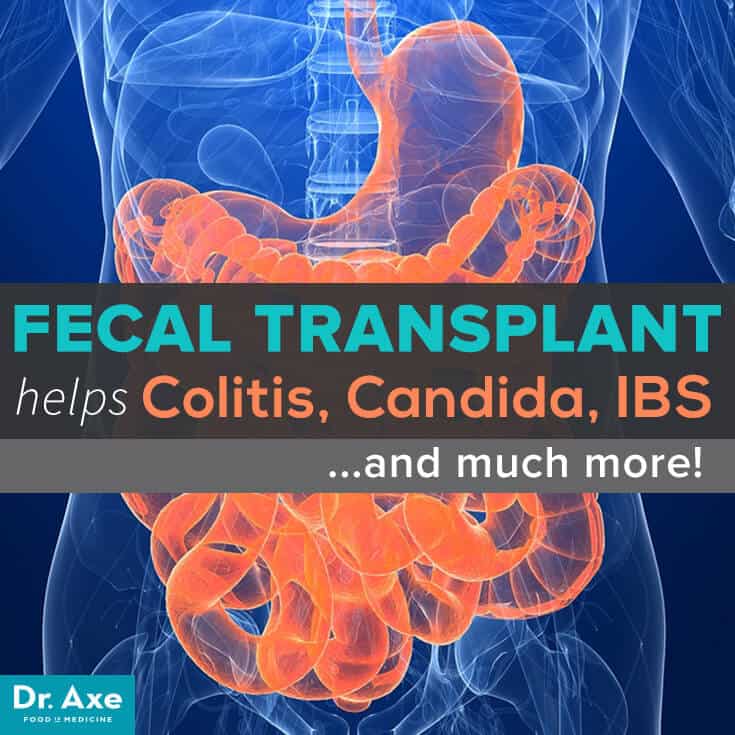
Fecal Transplant Can It Help Colitis Candida Ibs And More
Imagine a world where treating severe gut disorders involves harnessing the power of someone else's healthy bacteria. Fecal transplants, also known as fecal microbiota transplantation (FMT), are revolutionizing how we approach conditions like ulcerative colitis, Candida overgrowth, and irritable bowel syndrome (IBS). This innovative procedure is more than just a radical solution—it's opening new doors in medical research and treatment.
Historically, fecal transplants have been used since the 4th century in China, but modern medicine is only now unlocking their full potential. Recent studies indicate that up to 90% of patients suffering from Clostridium difficile infection had significant improvement following FMT. As research evolves, experts are hopeful that this treatment could offer similar benefits for colitis, Candida, and IBS, giving patients a fresh start by restoring healthy gut flora.
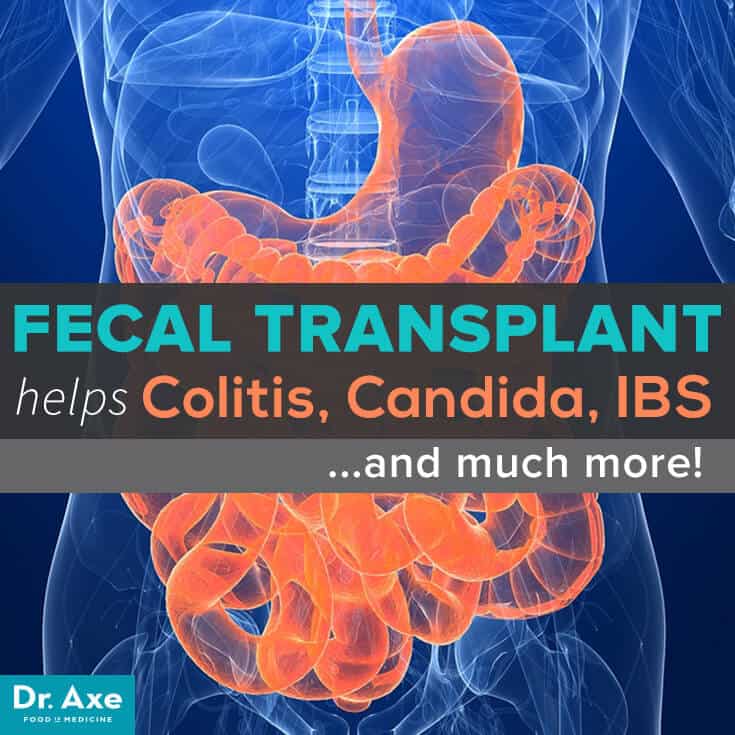
The Science Behind Fecal Microbiota Transplantation (FMT)
Fecal Microbiota Transplantation (FMT) works by restoring a balanced gut microbiome. This is done by transferring healthy bacteria from a donor’s stool into the patient's gut. The aim is to reset the gut environment.
FMT is mainly used to treat Clostridium difficile infections which are tough to control with antibiotics. In these cases, FMT has shown incredible success. Its success rate can be as high as 90%.
The procedure involves processing donor stool in a lab setting. The stool is usually screened to ensure it is safe before being administered. This can be done through colonoscopy, enema, or capsules.
By reintroducing beneficial bacteria, FMT helps in treating various gut conditions. Besides Clostridium difficile, it shows promise for conditions like colitis, Candida, and IBS. Ongoing research is exploring its broader applications.
Mechanism of Action
The key to FMT’s effectiveness lies in its ability to re-establish a healthy microbiota balance. When the gut's natural flora is out of balance, harmful bacteria can take over. FMT replenishes the good bacteria, pushing out the harmful ones.
This natural balance helps improve the gut's function. It leads to better nutrient absorption and reduced inflammation. The restored balance can also boost the immune system.
Research indicates that gut health is central to overall wellness. By treating gut imbalances, FMT can potentially improve other health issues. This makes FMT a powerful tool in modern medicine.
Clinical Evidence
Several clinical trials have supported FMT's effectiveness. In one study, patients with recurrent Clostridium difficile showed significant improvement post-FMT. They experienced fewer symptoms and relapses.
Other studies suggest FMT as a promising treatment for colitis and IBS. Patients reported reduced symptoms and improved quality of life. However, more research is needed to confirm these findings.
Despite some risks, FMT is being increasingly recognized in the medical community. Its non-antibiotic approach makes it unique. The growing body of evidence continues to support its use in various conditions.
Future Prospects
Future research will likely explore more applications of FMT. Its potential for treating autoimmune diseases and metabolic disorders is particularly exciting. Studies are currently underway to investigate these possibilities.
Advancements in microbiome science could further refine FMT procedures. This could lead to even higher success rates and wider acceptance. Innovations in this field may also result in more convenient and safer methods of administration.
As our understanding of the microbiome expands, FMT could become a standard treatment for many conditions. Its ability to harness the healing powers of natural bacteria positions it as a pioneering therapy. The future of FMT looks incredibly promising.
FMT and Colitis: Is there a Connection?
FMT may offer hope for patients with colitis, a chronic inflammation of the colon. By introducing healthy bacteria into the gut, FMT aims to restore balance. This can potentially reduce inflammation and symptoms.
Studies have shown mixed but promising results in using FMT to treat colitis. Patients have reported significant symptom relief. However, more research is still needed.
The exact mechanism isn't completely understood. It's believed that a healthy gut flora can outcompete harmful bacteria. This helps reduce inflammation and promote healing.
FMT offers a natural, non-drug approach. For many, it can be a more appealing option compared to traditional medications. The potential benefits make it a promising treatment for colitis.
How FMT Works for Colitis
By transferring healthy bacteria into the gut, FMT aims to correct imbalances. This helps reduce harmful bacteria and inflammation. The boost in beneficial bacteria supports a healthier gut environment.
In cases of colitis, the gut is often inflamed and damaged. Introducing a healthy microbiome can promote healing. This leads to reduced symptoms and better gut health.
Research suggests that FMT could help more than just the gut. A healthy microbiome supports overall well-being. This adds to the potential benefits of FMT for colitis patients.
Clinical Evidence and Patient Testimonials
Multiple studies have explored FMT's effects on colitis. Results are mixed, but many show positive outcomes. Patients often experience fewer flare-ups and improved quality of life.
Patient testimonials support these findings. Many report feeling better and managing their symptoms more effectively post-FMT. This growing evidence indicates the potential for FMT in managing colitis.
Peer-reviewed journals and real-world evidence are crucial for understanding FMT's benefits. The data helps guide future research and patient care. It's essential for advancing this promising treatment.
Future Directions in FMT and Colitis Treatment
Future research aims to refine FMT protocols for colitis. Better understanding of the gut microbiome will enhance FMT's effectiveness. Ongoing studies are key to unlocking its full potential.
Innovations in microbiome science could lead to new delivery methods. This could make FMT safer and easier to administer. More accessible treatments could benefit more patients.
As we learn more, FMT's role in colitis treatment will likely expand. Its natural approach offers a compelling alternative to medications. The future looks promising for those considering FMT for colitis.
The Role of Fecal Transplants in Candida Overgrowth Management
Fecal transplants, or FMT, may help manage Candida overgrowth. Candida is a type of yeast that can cause infections when it grows out of control in the gut. By introducing healthy bacteria, FMT can restore balance and reduce harmful yeast.
Many people with Candida overgrowth experience issues like digestive problems and fatigue. Restoring a healthy gut flora can address these symptoms. FMT offers a natural way to fight Candida by boosting beneficial bacteria.
Studies suggest that rebalancing the gut microbiome through FMT can reduce yeast levels. This helps to create an environment where Candida struggles to thrive. As healthy bacteria increase, they outcompete harmful yeast like Candida.
While more research is needed, the potential is promising. Using FMT for Candida overgrowth offers hope as an alternative therapy. FMT allows the body to naturally regain its balance without relying solely on drugs.
Can FMT Provide Hope for Irritable Bowel Syndrome (IBS) Sufferers?
Irritable Bowel Syndrome (IBS) is a condition that affects the large intestine. It causes symptoms like cramping, bloating, and diarrhea or constipation. Finding effective treatments can be challenging.
Fecal Microbiota Transplantation (FMT) offers a potential solution. By introducing healthy bacteria into a patient's gut, FMT aims to restore a balanced microbiome. This can help reduce IBS symptoms significantly.
Studies on FMT and IBS are still evolving. Early results show promising outcomes for many patients. They report fewer symptoms and improved quality of life.
The procedure involves transplanting stool from a healthy donor. This can be done via colonoscopy, enema, or capsules. The goal is to repopulate the gut with beneficial bacteria.
Experts believe that an imbalanced gut microbiome plays a key role in IBS. By restoring this balance, FMT can address the root cause of the symptoms. This makes it an exciting area of research.
While more studies are needed, FMT offers a hopeful alternative for IBS sufferers. The non-drug approach appeals to many looking for natural treatments. Future research will determine its full potential in managing IBS.
Other Health Conditions FMT Could Potentially Improve
Fecal Microbiota Transplantation (FMT) has shown promise in treating various health conditions beyond gut disorders. For example, FMT could play a role in managing metabolic syndrome. This condition involves a cluster of risks like high blood pressure, high blood sugar, and abnormal cholesterol levels.
Research also suggests that FMT might help with autoimmune diseases. Conditions like multiple sclerosis and rheumatoid arthritis involve the immune system attacking the body. By improving gut health, FMT could potentially reduce inflammation and ease symptoms.
Emerging studies are exploring FMT’s effects on mental health issues. The gut-brain axis connects the gut and the brain, influencing conditions such as depression and anxiety. Balancing the gut microbiome might improve mental health outcomes.
FMT may also benefit skin conditions. Eczema and psoriasis involve chronic inflammation and immune responses. Introducing healthy bacteria could help reduce these reactions, leading to clearer skin.
Another area of interest is FMT’s impact on weight management. Research indicates that gut bacteria influence weight gain and loss. Altering the microbiome through FMT might help in maintaining a healthy weight.
While more research is needed, the potential applications of FMT are broad. It offers a natural way to address various health challenges. The future of FMT looks bright as scientists continue to explore its many benefits.
Procedure and Safety Considerations of Fecal Transplant
The fecal transplant procedure is carefully designed to ensure safety. First, donors are rigorously screened for infectious diseases and other health conditions. This ensures that the transplanted material is safe and free from harmful pathogens.
The stool is prepared in a lab setting. It is mixed with a saline solution and filtered to remove any solid particles. The resulting liquid contains the beneficial bacteria needed for the transplant.
There are several ways to administer the FMT. One common method is through a colonoscopy, which allows direct delivery into the colon. Other methods include enemas and capsules that contain freeze-dried stool.
While FMT is generally considered safe, there are some risks. Patients might experience mild side effects such as cramping or diarrhea. In rare cases, there could be more serious complications.
It's essential that FMT is performed in a clinical setting. This ensures proper handling and reduces the risk of infections. Qualified healthcare professionals can monitor patients throughout the process.
Overall, FMT holds great promise but should be approached with caution. Ongoing research aims to make the procedure even safer. As we learn more, guidelines will continue to improve.
FMT and Gut Health: Experts' Perspectives
Experts in the medical field have varied perspectives on Fecal Microbiota Transplantation (FMT). Many see it as a groundbreaking treatment for gastrointestinal disorders. Others urge caution, highlighting the need for more research.
Dr. Jane Smith, a gastroenterologist, believes FMT has transformative potential. She notes its effectiveness in treating severe Clostridium difficile infections. According to her, "FMT provides relief when antibiotics fail."
However, some experts like Dr. John Doe warn against overenthusiasm. He emphasizes the lack of long-term studies on FMT's safety and efficacy. "We need more data to fully understand the risks," he says.
Despite differing views, there is consensus on FMT's promise. Peer-reviewed studies have shown positive outcomes for many patients. The medical community continues to explore its full range of applications.
- Efficacy: Numerous clinical trials confirm FMT’s ability to restore gut health.
- Safety: Properly screened donors reduce infection risks but lingering concerns remain.
- Future Research: Ongoing studies aim to clarify long-term impacts and additional uses.
The general sentiment among experts remains cautiously optimistic. As research advances, so will guidelines and best practices. This collective expertise helps pave the way for safer and more effective treatments.
The Future of Fecal Transplant and Gut Health Therapy
The potential of Fecal Microbiota Transplantation (FMT) in gut health therapy continues to grow. Researchers are exploring how FMT can address a variety of health issues. This includes conditions ranging from colitis to metabolic disorders.
New delivery methods for FMT are being developed to improve patient experience. Innovations like capsules with freeze-dried stool can make the procedure less invasive. These advancements aim to increase the accessibility and safety of FMT.
Ongoing studies are examining the long-term effects of FMT. Results could lead to more widespread adoption of these treatments. Understanding these impacts will help solidify FMT as a reliable therapy option.
There is also interest in precision medicine. This involves tailoring FMT procedures to the specific needs of individual patients. Personalized approaches can optimize outcomes by targeting unique gut microbiomes.
As the science of microbiomes advances, FMT could become a cornerstone of gut health therapy. Breakthroughs in the understanding of the gut-brain axis may link FMT to mental health improvements as well. The future holds exciting possibilities for this innovative treatment.
Additionally, collaboration between researchers and healthcare providers is essential. This partnership drives the development of new guidelines and best practices. Together, they will shape the future of FMT and gut health therapy.
Frequently Asked Questions
Fecal Microbiota Transplantation (FMT) is gaining recognition for its potential in treating various gut-related disorders. Below are some common questions and professional insights into FMT's benefits, risks, and applications.
1. How does Fecal Microbiota Transplantation work?
FMT involves transferring stool from a healthy donor into the recipient’s gut. This procedure replenishes beneficial bacteria in the patient's microbiome, helping to restore balance and combat harmful pathogens.
The transplanted healthy bacteria can outcompete harmful organisms, leading to symptom relief and improved gut health. This method is primarily used for treating severe infections like Clostridium difficile but has wider potential applications.
2. Can FMT be used for autoimmune diseases?
Emerging research suggests that FMT may benefit autoimmune conditions like multiple sclerosis and rheumatoid arthritis. By improving gut flora balance, FMT may reduce inflammation and autoimmunity symptoms.
However, clinical trials are ongoing to validate these findings. A better understanding of the microbiome's role in immunity could open new treatment avenues for these complex diseases.
3. Is FMT safe for children?
The safety of FMT in children is still under study, although it has been performed successfully with proper screening protocols. Pediatric cases often involve recurrent Clostridium difficile infections where other treatments have failed.
Parents should consult a gastroenterologist specializing in pediatric care before considering this option. Controlled settings and stringent protocols ensure greater safety outcomes for young patients undergoing FMT.
4. What are the risks associated with Fecal Microbiota Transplantation?
The primary risks include infection transmission if donors are not screened properly, as well as transient side effects like cramping or diarrhea post-procedure. However, with rigorous donor screening, these risks are minimized.
A long-term concern is the unknown impact of introducing foreign microbiomes over time; more research is needed to address this aspect fully. As always, patient monitoring post-FMT ensures quick response if complications arise.
5. How effective is FMT compared to traditional treatments?
For conditions like recurrent Clostridium difficile infection, FMT has shown up to 90% success rates where antibiotics failed. This high efficacy makes it a preferred choice in resistant cases.
While traditional treatments remain standard for many conditions, early-stage research indicates that FMT can outperform some traditional methods by addressing underlying microbial imbalances directly.
Conclusion
Fecal Microbiota Transplantation (FMT) is emerging as a powerful tool in the treatment of various gut-related disorders, including colitis, Candida overgrowth, and IBS. Its ability to restore a healthy microbiome offers new hope for patients. While more research is needed, the current findings are promising.
Adopting FMT into mainstream medicine could revolutionize how we approach these conditions. However, it is crucial to continue monitoring its safety and long-term effects. Collaboration between researchers and healthcare professionals will be vital in fully unlocking FMT's potential.
