Bulgarian Dishes You Have To Try
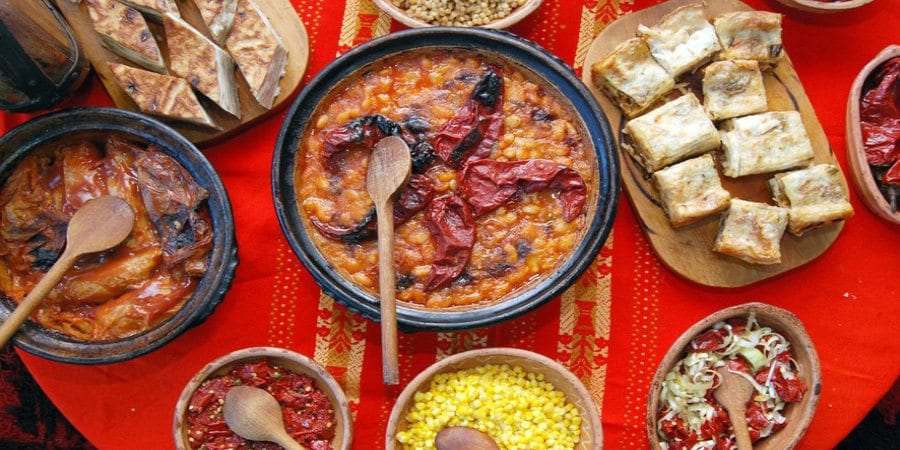
Imagine a culinary experience that perfectly fuses the rich history of the Balkans with the vibrant flavors of the Mediterranean. Bulgarian cuisine offers precisely that, with a delightful array of dishes that proudly reflect its diverse cultural influences. From hearty stews to light, fresh salads, there’s something to satisfy every palate.
At the heart of Bulgarian culinary tradition lies a dish known as Banitsa, a savory pastry layered with cheese and eggs, tracing its origins back to centuries-old recipes. Another must-try is Shopska Salad, a colorful medley of tomatoes, cucumbers, and peppers, sprinkled with sirene cheese—a dish often dubbed as Bulgaria’s national pride. These dishes are not just meals; they are historical narratives served on a plate.
The Heritage of Bulgarian Cuisine
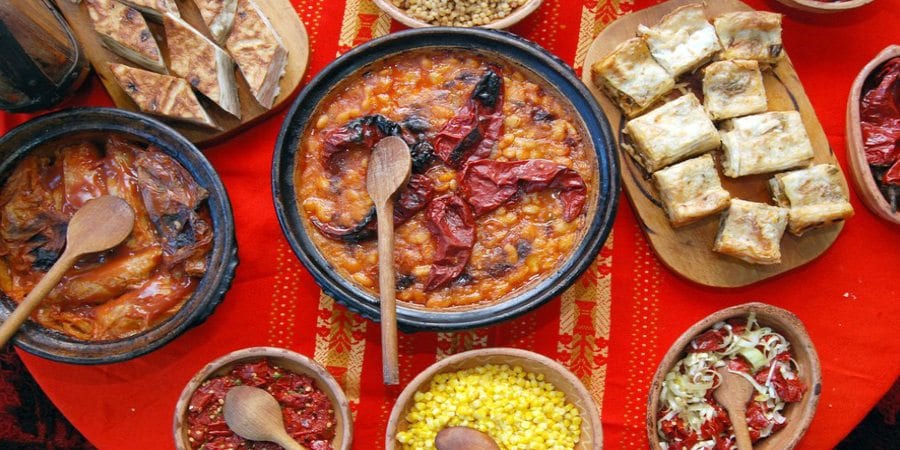
Bulgarian cuisine is a delicious blend of flavors influenced by various cultures. Located in Southeast Europe, Bulgaria has a rich culinary history. Its dishes are influenced by neighboring countries like Greece, Turkey, and Serbia.
One of the key features of Bulgarian food is its use of fresh ingredients. Bulgarians love to incorporate seasonal vegetables, aromatic herbs, and regional spices. This gives their dishes a unique and vibrant taste.
The country’s geographical location has also played a role in shaping its culinary identity. The fertile plains and mountainous regions offer a variety of ingredients. These include dairy products, meats, and a vast array of fruits and vegetables.
Traditional cooking methods are cherished and passed down through generations. **Bulgarians take pride in recipes that have stood the test of time.** This heritage ensures that every meal is not just food but a piece of history.
Bulgaria's Staple Foods
Bulgaria's culinary landscape is full of staple foods that define its unique taste. These essentials include yogurt, cheese, and various meats. They form the backbone of many traditional dishes.
Yogurt: A Bulgarian Treasure
Bulgarian yogurt is famous worldwide for its flavor and health benefits. It's made using a special strain of bacteria, Lactobacillus bulgaricus. This gives the yogurt its distinct taste and texture.
Yogurt is not just a breakfast item; it’s used in many dishes. From refreshing drinks like Ayran to salads and soups, yogurt is versatile. It’s even considered a national treasure.
Some believe that the long lifespan of Bulgarians is partly due to their yogurt consumption. Yogurt is rich in probiotics, making it great for digestion and overall health. It’s a staple that has made its mark globally.
Cheese: The Unsung Hero
Cheese is another key element in Bulgarian cuisine. The most famous type is Sirene, a brined cheese similar to Feta. This cheese is often used in salads, pastries, and even eaten on its own.
Banitsa, for example, is a popular pastry that uses Sirene cheese. The combination of layers of dough with cheese filling makes it irresistible. **This dish is traditionally enjoyed on holidays and special occasions.**
There are also other types of Bulgarian cheese worth noting. Kashkaval is a yellow cheese that's often used in cooking and sandwiches. Each variety brings its own unique flavor to the table.
Meat: A Vital Component
Meat, particularly pork and lamb, is a staple in Bulgarian diets. Traditional dishes like Kebapche and Kyufte showcase the country's love for grilled meat. These dishes are commonly enjoyed at gatherings and festivals.
Preparation methods make each meat dish special. Grilling over an open flame brings out intense flavors. **This method is both simple and effective.**
Bulgarians also enjoy stews and roasted meats. Kavarma, a slow-cooked stew, contains meat, onions, and tomatoes. These hearty dishes offer a comforting blend of rich flavors.
Taste of Authentic Bulgarian Salads
Bulgarian salads are a feast for the senses, combining fresh ingredients and vibrant flavors. They often incorporate seasonal vegetables, making them a celebration of local produce. These salads are light, nutritious, and refreshing.
One of the most famous salads is Shopska Salad. It includes tomatoes, cucumbers, peppers, and sirene cheese. This salad is a perfect representation of Bulgarian simplicity and taste.
Another popular choice is Snow White Salad, made from yogurt, cucumbers, and garlic. This salad stands out for its creamy texture and cool flavor. **It's often served as a side dish or appetizer.**
Bulgarians also enjoy using fresh herbs and spices in their salads. Dill, parsley, and mint are common additions. These herbs enhance the flavor and add a burst of aroma to each dish.
Savoring Regional Bulgarian Soups
Bulgarian soups are known for their hearty flavors and rich history. Each region brings its own twist to traditional recipes. **They often feature fresh, locally-sourced ingredients.**
One popular soup is Bob Chorba, a bean soup that's a Bulgarian classic. This dish is especially favored during cold months. It’s not just delicious but also very nutritious.
Shkembe Chorba is another unique Bulgarian soup, made from tripe, milk, and spices. It’s reputed for its restorative qualities. Many swear by it as a cure for hangovers.
Fresh herbs and spices play a crucial role in many Bulgarian soups. Dill, parsley, and paprika are common additions. These herbs elevate the taste and add a burst of aroma.
Bulgarians enjoy their soups with a side of bread. The bread is often homemade and serves as a perfect accompaniment. **It’s all about comfort and tradition.**
From comforting stews to refreshing cold soups like Tarator, Bulgarian soups offer a culinary journey. They're perfect for any season and every palate. **Discovering these regional delights is a treat for both food lovers and cultural enthusiasts.**
Cheese-licious: Bulgarian Cheese Specialties
Bulgarian cheese is a cornerstone of the country's culinary identity. From fresh to aged varieties, these cheeses are celebrated for their unique flavors. Their quality is rooted in traditional methods passed down through generations.
Sirene is one of the most beloved cheeses in Bulgaria. It’s a white brined cheese that’s similar to Feta. This cheese is used in various dishes, including salads and pastries like Banitsa.
Kashkaval is another popular Bulgarian cheese. It’s a yellow cheese often enjoyed in sandwiches or melted over dishes. **Its creamy, rich texture makes it a favorite among many.**
There are also local varieties that are worth exploring. Cheeses made from sheep's or goat's milk have a distinct taste. They often have a more robust flavor profile compared to cow’s milk cheeses.
Bulgarians take cheese-making seriously and have perfected their craft over centuries. The cheeses are not just delicious but also rich in nutrients. They regularly appear in daily meals and festive feasts alike.
Pairing Bulgarian cheese with wine is a popular practice. The wine's acidity complements the salty and creamy characteristics of the cheese. **It's a match made in culinary heaven.**
Meet the Meat: Bulgarians' Love for Grills
Bulgarians have a deep affection for grilled meats, making them a staple in their cuisine. Traditional grilling methods bring out the rich flavors of the meat. Gathering around a grill is a common way to celebrate.
Kebapche is one of the most beloved grilled meats in Bulgaria. It’s a mix of minced meat and spices, shaped into sausages. These are typically grilled to perfection over an open flame.
Another favorite is Kyufte, which are Bulgarian meatballs. They combine minced meat, onions, and various spices. **These are grilled until they develop a delicious smoky flavor.**
Grilled meats are often accompanied by side dishes and salads. Common additions include sliced tomatoes, cucumbers, and a sprinkle of herbs. The combination makes for a balanced and satisfying meal.
Marinades and seasoning play a crucial role in enhancing the taste. A mix of paprika, cumin, and garlic is frequently used. These seasonings infuse the meats with an aromatic flavor.
Grilled meat dishes are not just reserved for special occasions. They are a regular part of everyday meals. **This love for grilling adds a unique charm to Bulgarian culinary culture.**
Bulgaria's Sweet Tooth: Traditional Desserts
Bulgarian desserts are a treasure trove of flavors and textures. They blend simple ingredients to create delightful treats. These sweet delights often reflect the country's rich culinary heritage.
One of the most popular traditional desserts is Baklava. This pastry is made with layers of filo dough, filled with nuts, and soaked in syrup. It's a perfect combination of crunchy and sweet.
Another favorite is Garash cake, which boasts a rich chocolate flavor. Made from eggs, sugar, and walnuts, it's layered with creamy chocolate frosting. **This dessert is often enjoyed on special occasions.**
Kozunak is a must-try during Bulgarian holidays like Easter. It’s a type of sweet bread braided and flavored with lemon zest or raisins. The soft, fluffy texture makes it truly irresistible.
Milk-based sweets are also popular in Bulgaria. For instance, Mliako s Oriz (rice pudding) combines rice, milk, and sugar into a creamy dessert. Cinnamon sprinkled on top adds an extra layer of flavor.
Bulgarians love to pair their desserts with beverages like coffee or herbal tea. This way, they create a balanced experience for the palate. **Enjoying these traditional sweets offers not just taste but also a slice of cultural history.**
Must-Try Bulgarian Beverages
Bulgarian beverages are as diverse and flavorful as the country's cuisine. These drinks offer a glimpse into the rich traditions of Bulgaria. From refreshing non-alcoholic options to spirited liquors, there's something for everyone.
Rakia is one of the most famous Bulgarian drinks. This strong fruit brandy is commonly made from grapes, plums, or apricots. Bulgarians often enjoy it as an aperitif or alongside a meal.
Boza is a unique fermented drink made from wheat or millet. It has a slightly tangy flavor and a thick, creamy texture. **This beverage is traditionally enjoyed during colder months.**
Kisel Mlyako, or Bulgarian yogurt drink, is another must-try. This refreshing beverage combines yogurt with water and salt, creating a tangy and hydrating drink. It's perfect for cooling down on a hot summer day.
Herbal teas are also very popular in Bulgaria. Chamomile, thyme, and mint teas are commonly consumed for their soothing properties. These teas are often paired with honey for added sweetness.
For a caffeinated option, try a cup of Bulgarian coffee. It’s usually strong and rich, similar to Turkish coffee. **Served in small cups, it's the perfect pick-me-up.**
Frequently Asked Questions
This section addresses common questions about Bulgarian cuisine. Discover more about the key dishes, ingredients, and cultural significance of Bulgarian food.
1. What makes Bulgarian yogurt unique?
Bulgarian yogurt is famous for its unique taste and health benefits, mainly due to the presence of Lactobacillus bulgaricus bacteria. This bacteria helps in fermentation, giving the yogurt a smooth texture and tangy flavor.
The yogurt is not just a staple breakfast item; it's used in various traditional dishes like Tarator soup and Snezhanka salad. Its probiotic content aids digestion and boosts the immune system, making it a nutritional powerhouse.
2. How is Shopska Salad prepared?
Shopska Salad is a simple yet flavorful dish made from fresh tomatoes, cucumbers, onions, and bell peppers. It's topped with grated sirene cheese, which adds a slightly salty flavor that complements the vegetables perfectly.
This salad is often dressed with sunflower oil or olive oil and seasoned with salt. It's a refreshing dish that's commonly served as an appetizer or a side dish during meals.
3. What are typical ingredients in Banitsa?
Banitsa is a popular Bulgarian pastry made from layers of filo dough filled with a mixture of eggs and sirene cheese. Some variations also include spinach or pumpkin for added flavor.
Baking this layered pastry results in a golden-brown crust that's crispy on the outside but soft inside. It’s often enjoyed for breakfast or as a snack during holidays and special occasions.
4. Why is Rakia significant in Bulgarian culture?
Rakia holds an important place in Bulgarian culture as it’s often consumed during social gatherings like family dinners, weddings, and celebrations. The drink can be made from various fruits such as plums, apricots, and grapes.
This strong fruit brandy usually ranges between 40-60% alcohol content. Besides being enjoyed neat, it’s traditionally paired with appetizers known as “meze,” allowing people to savor its robust flavors alongside rich foods.
5. What distinguishes Bulgarian Kebapche from other grilled meats?
Kebapche stands out because it's made from minced meat mixed with spices like black pepper and cumin before being shaped into sausage-like patties. These patties are then grilled until they develop a savory crust outside while staying juicy inside.
The meat mix typically includes pork but can also contain beef or lamb depending on regional preferences. Often served with fries or bread along with Shopska Salad, Kebapche captures the essence of Bulgaria’s love for grilled dishes.
Conclusion
Exploring Bulgarian cuisine offers a journey through rich history and diverse flavors. Each dish captures the essence of Bulgaria’s culinary heritage. From savory pastries like Banitsa to refreshing salads like Shopska Salad, there's something for everyone.
Whether you're enjoying a hearty soup or indulging in sweet desserts, Bulgarian food is a delightful experience. The use of fresh, local ingredients and traditional recipes ensures every meal is unforgettable. **Savoring these dishes provides not just nourishment but also a deeper understanding of Bulgarian culture.**
