Asian Oddities The Weird Meals Youll Try At Your Own Risk
Imagine sitting down to a meal where the main course is wriggling on your plate. The culinary landscapes of Asia are dotted with such peculiarities, often challenging even the most adventurous eaters. These dishes not only test palates but also cultural predispositions, making each bite a blend of intrigue and uncertainty.
Asian cuisine is rich with history, and these oddities have their roots deeply entrenched in cultural practices. Take balut, for example, the fertilized duck egg, cherished in the Philippines, and enjoyed since ancient times. According to a survey, roughly 16% of travelers in Asia seek out bizarre foods, proving the allure of risk on the dinner table.
The Tradition of Bizarre Foods in Asia
Asia's culinary landscape is vast and varied, with odd dishes adding a unique flavor. These bizarre foods are often deeply rooted in history and cultural practices. They are considered delicacies in some regions, where the preparation methods have been passed down for generations.
From live octopus in South Korea to fermented tofu in Taiwan, each dish has its own story. These foods often reflect local traditions and the available ingredients in specific areas. Trying them requires an adventurous spirit.
Many of these dishes have surprising health benefits. For example, fermented foods like natto are rich in probiotics. This makes them not only unique in taste but also beneficial for digestion.
Exploring these foods can be a way to truly understand Asian cultures. They offer a glimpse into the daily lives and traditions of the people. Embracing these oddities can lead to a deeper appreciation of the rich, culinary heritage of Asia.
The Historical Significance of Bizarre Foods
Many bizarre foods have historical roots that date back centuries. For instance, century eggs in China have been enjoyed for over a thousand years. These foods are not just about taste; they're about tradition and history.
In many cultures, these odd foods were borne out of necessity. Scarcity of resources during certain periods led people to be creative. They learned to make the most of what they had, turning what seemed inedible into a cherished delicacy.
There is also an element of preservation. Foods like fermented fish or century eggs were ways to store food for longer periods. This practical need evolved into culinary traditions, passed down through generations.
Popular Bizarre Dishes by Region
Different regions in Asia have their own unique take on bizarre foods. In Japan, natto is a popular oddity, made from fermented soybeans. In the Philippines, balut is a fertilized duck egg that's enjoyed by many.
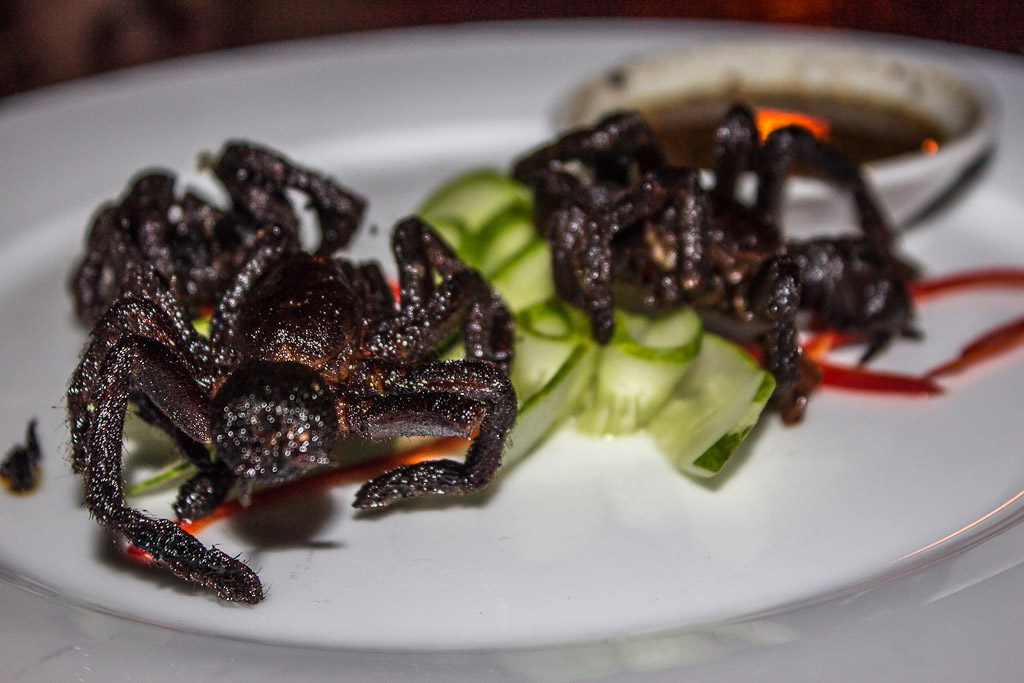
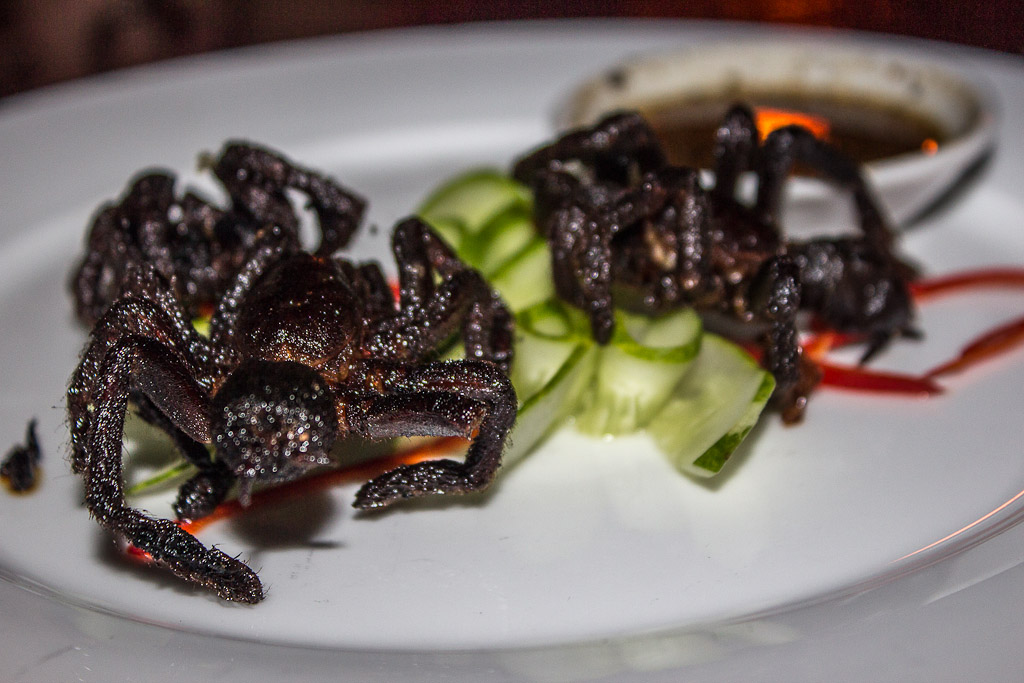
Thailand offers fried insects as street snacks, which are high in protein. In Cambodia, you can find fried tarantulas, which are considered a delicacy. These regional differences highlight the diversity within Asian cuisines.
- Japan - Natto
- Philippines - Balut
- Thailand - Fried insects
- Cambodia - Fried tarantulas
Health Benefits of Bizarre Foods
Many bizarre foods come with surprising health benefits. For example, stinky tofu from Taiwan is rich in probiotics. These are beneficial for gut health and improving digestion.
Besides being strange, these foods often provide unique nutrients. For instance, balut is rich in protein and other essential vitamins. Eating these foods can be good for your health, even if they seem odd at first.
Fermented foods, in particular, are known for their health benefits. Natto, a sticky fermented soybean dish from Japan, is known to improve heart health. So, while these dishes might look unappetizing, they can be quite nutritious!
Sannakji: The Live Octopus Delight of South Korea
Sannakji is a dish that grabs attention for its shock value. This Korean delicacy features live octopus that is typically served with sesame oil. Diners often experience a unique sensation as the tentacles wriggle while being eaten.
The appeal of Sannakji goes beyond its live-action presentation. The fresh, chewy texture and mild flavor are complemented by the sesame oil. It's a daring choice for the adventurous eater.
This dish is not just a thrill; it holds cultural significance. In South Korea, consuming live octopus is seen as a testament to freshness. This tradition has been passed down for generations, making it a unique culinary experience.
Sannakji comes with some risks. The active suction cups can pose a choking hazard. Thus, it's vital to chew thoroughly and carefully to safely enjoy the meal.
The Preparation Process
Preparing Sannakji is a straightforward yet precise process. Fresh, live octopi are selected for their size and quality. The octopus is then sliced into small pieces, with tentacles often served separately.
Chefs aim to keep the pieces moving for a lively presentation. The dish is typically served with a side of sesame oil and salt. This simple yet flavorful combination enhances the natural taste of the octopus.
Proper presentation is key to the experience. The moving tentacles are a visual treat. They signify the utmost freshness, ensuring an authentic Sannakji experience.
The Dining Experience
Eating Sannakji can be an exhilarating experience. The tentacles' movements create a tactile sensation. Each bite offers a chewy texture that pairs well with the savory sesame oil.
Diners are advised to chew thoroughly before swallowing. The suction cups can still move and grip inside the mouth. This makes careful chewing essential to avoid accidents.
The dish is often enjoyed in social settings. Friends and family gather to share the thrill. This makes Sannakji a communal experience, bringing people together for a memorable meal.
Cultural Significance
Sannakji holds a special place in Korean culture. It represents an appreciation for the freshest seafood. This tradition is a point of pride for many Koreans.
The dish is often featured in local festivals and celebrations. It's a way to showcase culinary skills and cultural heritage. Visitors are drawn to these events for a chance to try the live octopus.
Sannakji is more than just food; it's an adventure. The live octopus offers a unique culinary experience. It connects diners to Korean traditions in a thrilling, unforgettable way.
Century Eggs: A Time-Tested Oddity from China
Century eggs are an ancient Chinese delicacy that surprise many newcomers. Despite their name, these eggs aren't aged for a century but rather a few months. The unique method of preservation transforms the egg into something quite unique.
Originally, century eggs were made by preserving them in a mixture of clay, ash, and salt. Nowadays, they are typically preserved using a mix of tea, lime, and salt. The result is a dark, jelly-like treat with a bold flavor and creamy texture.
The appearance can be startling at first. The whites turn amber or black, and the yolk becomes a dark green or gray. This may not look appealing but it is a favorite for its distinct taste.
Century eggs are often served as appetizers or snacks. They pair well with pickled ginger and cold tofu. This beloved dish continues to entice food enthusiasts with its rich history and bold flavors.
Balut: The Fertilized Duck Egg of the Philippines
Balut is considered a beloved street food in the Philippines. This fascinating delicacy is a fertilized duck egg with a partially developed embryo inside. Many locals enjoy balut for its unique taste and texture.
The preparation of balut is straightforward but meticulous. The eggs are boiled and then served warm. They can be eaten with salt, vinegar, or a mixture of both to enhance the flavor.
Eating balut can be an adventurous experience. Many diners start by sipping the flavorful broth inside the egg. This is followed by eating the yolk and finally, the developing duckling.
- Rich broth inside the egg
- Soft yolk with a unique flavor
- Crunchy texture from the duckling
Balut is not only tasty but also nutritious. It's rich in protein and other essential vitamins. This makes it a healthy choice for those willing to try something different.
The dish holds cultural significance in the Philippines. It's often enjoyed late at night, sold by street vendors. For many, it's a comforting food that brings back memories of home.
Stinky Tofu: The Pungent Snack from Taiwan
Stinky tofu is a famous street food in Taiwan, known for its strong smell. Despite the odor, many food enthusiasts praise its delicious taste. It’s crisp on the outside and soft on the inside.
This snack is made by fermenting tofu in a brine containing vegetables, meat, and sometimes seafood. The fermentation process can last several months. The longer it ferments, the stronger the flavor and smell become.
Stinky tofu is often served deep-fried. It’s typically paired with pickled cabbage or a sweet soy sauce. This combination balances the dish's strong taste.
- Deep-fried for crispiness
- Paired with pickled cabbage
- Enhanced with sweet soy sauce
In Taiwan, stinky tofu is more than just a food; it’s part of the culture. Street vendors sell it at night markets, attracting long lines of eager customers. The dish is a staple at many festivals and events.
Eating stinky tofu can be an acquired taste. For those who dare to try it, the experience often becomes a memorable one. It continues to be a must-try for adventurous food lovers visiting Taiwan.
Natto: A Sticky Situation from Japan
Natto is a traditional Japanese dish made from fermented soybeans. Known for its sticky, stringy texture, it has a strong, pungent smell. Despite its unique characteristics, it remains a popular breakfast food in Japan.
The fermentation process is key to natto's distinct qualities. Soybeans are first steamed and then mixed with beneficial bacteria. This process creates the sticky strings and develops its strong flavor.
Natto is often served with rice and mixed with condiments. Common additions include soy sauce, mustard, and chopped green onions. This enhances the dish’s overall taste while balancing its strong aroma.
- Served with rice
- Commonly mixed with soy sauce and mustard
- Often garnished with chopped green onions
Natto is not just unique in taste but also packed with nutrients. It’s rich in protein and fiber, making it a healthy addition to one’s diet. Probiotics from the fermentation process aid in digestion as well.
For some, acquiring a taste for natto can be a challenge. Still, many people come to appreciate its unique flavor and health benefits. It remains a staple in Japanese cuisine and a must-try for adventurous eaters.
Durian: The King of Fruits in Southeast Asia
Durian is often called the King of Fruits in Southeast Asia. Known for its strong smell, it has a creamy texture and sweet flavor. Many people either love it or can't stand it.
This fruit grows on large trees found in tropical regions. It's covered in a thorny husk, making it challenging to open. Once opened, the pungent aroma becomes evident immediately.
The taste of durian is highly distinctive. It's described as a mix of sweet, savory, and creamy flavors. This complex taste profile appeals to many connoisseurs but can be off-putting for first-timers.
- Creamy texture
- Sweet and savory flavors combined
- Pungent aroma when opened
Durian is used in various dishes across Southeast Asia. It can be eaten fresh, added to desserts, or even cooked into savory meals. This versatility makes it popular despite its controversial smell.
Nutritionally, durian is rich in vitamins and minerals. It provides a good amount of vitamin C, potassium, and dietary fiber. This makes it not only tasty but also nutritious.
The fruit holds cultural significance as well. In many regions, it's considered a delicacy and symbol of high status. This adds to its allure, making durian a fruit worth experiencing at least once.
Embracing the Bizarre: The Appeal of Risky Foods
Trying bizarre foods can be an exciting adventure for many people. These unconventional dishes offer a chance to experience new flavors and textures. The thrill of tasting something unusual adds to the fun.
Risky foods also come with unique stories. Each dish has cultural significance and a history behind it. Learning about these traditions can make the eating experience more meaningful.
Many people embrace these foods for the challenge. Eating something unusual can be a way to push personal boundaries. This sense of accomplishment is part of the appeal for daring foodies.
- Thrill of new flavors
- Cultural significance
- Personal challenges
Social media has amplified the appeal of risky foods. People love sharing their experiences online, whether it's eating balut or trying stinky tofu. These shared moments create a sense of community among adventurous eaters.
Finally, these foods offer health benefits that are often overlooked. Fermented foods, for example, are rich in probiotics. This makes them good for digestion, adding another reason to give them a try.
Frequently Asked Questions
Curious about the strange and delightful dishes from Asia? Here, we answer some common questions to give you a deeper understanding of these unique culinary experiences.
1. How is stinky tofu made?
Stinky tofu is made by fermenting tofu in a mixture of brine containing vegetables, meat, or seafood. This fermentation process can last from several days to months, depending on the desired level of odor and flavor. The resulting tofu has a strong smell but a delicious taste.
The fermentation not only impacts its aroma but also enhances its nutritional content. Stinky tofu is often deep-fried and served with pickled cabbage or spicy sauce, adding contrast and making it more palatable for many people.
2. What does durian taste like?
Durian has a complex flavor described as sweet, savory, creamy, and slightly onion-like. Its texture is creamy and custard-like, which appeals to many who can get past its strong odor.
This unique combination makes it both loved and hated by different people. Durian is used in various desserts such as candies, ice creams, and pastries across Southeast Asia.
3. Why do some people eat live octopus?
Eaters enjoy live octopus for its fresh taste and unique texture that defines adventurous dining. In South Korea, Sannakji consists of live octopus tentacles cut into pieces that still squirm on your plate due to active nerves.
The thrill of eating something still moving adds to the experience. It's crucial to chew thoroughly to avoid choking hazards from suction cups that might stick in your throat.
4. Are century eggs safe to eat?
Century eggs are safe to eat when properly prepared through traditional preservation methods using alkaline ingredients like clay or ash mixed with quicklime and salt over several weeks to months.
This process transforms duck or chicken eggs into delicacies known for their jelly-like amber "whites" combined with greenish yolks with strong flavors similar sometimes resembling robust cheeses without spoiling during long storage periods enhancing safety dramatically significant lowering risks unlike compromised storage failures otherwise infamously dangerous results unhealthy outcomes preventive measures emphasized everywhere commercially globally assures availability eager consumption surpassing expectations continued following evolving innovation!
5. What are the health benefits of natto?
Natto offers numerous health benefits due primarily due rich presence beneficial bacteria thriving within fermented soybeans whose concentrated Vitamin-K levels promotes cardiovascular wellbeing achieving significant reductions oxidative stress related damage effectively combating harmful radicals leading deleteriously linked chronic diseases further enhancing immune system fortitudinous diverse functioning stages developmental progressions positively supported!
Conclusion
Exploring Asian oddities and their unique dishes can be a thrilling culinary adventure. From the strong aroma of stinky tofu to the daring experience of eating live octopus, each dish offers a story steeped in culture and tradition. These foods challenge our tastes and broaden our understanding of global cuisines.
While the flavors and textures may seem unusual, they hold significant cultural and nutritional value. Embracing these risky foods not only enriches our palate but also allows us to appreciate the diverse culinary heritage of Asia. Ultimately, these dishes are more than just meals; they are gateways to new experiences and deeper cultural connections.
