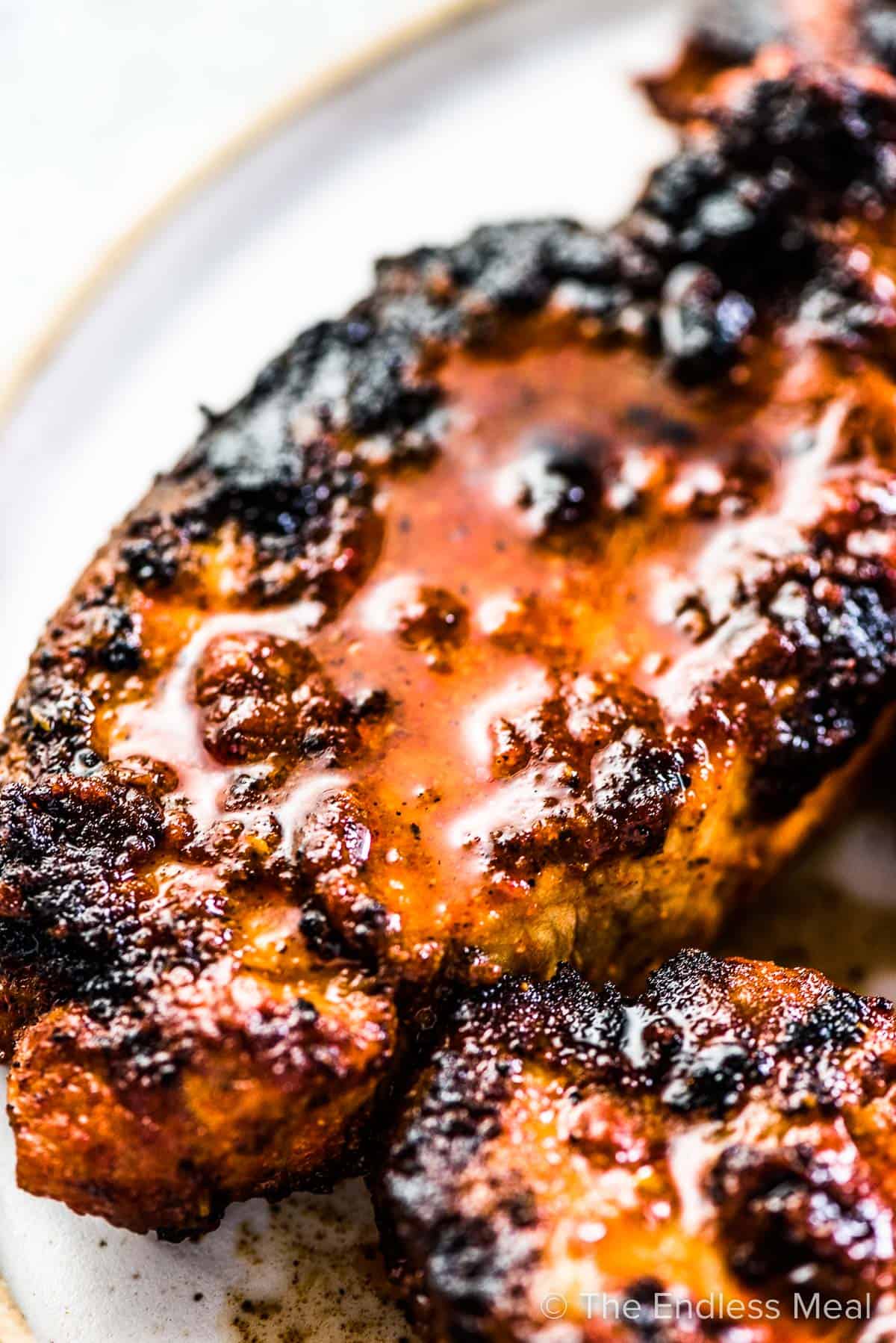
Juicy Grilled Pork Chops
Imagine taking a bite into a perfectly grilled pork chop, where the juices just burst forth with flavor and tenderness. It's the kind of culinary experience that turns casual grillers into devoted enthusiasts, eager to recreate that perfection. The magic lies in not just the grilling technique but also in the quality of the pork chop itself.
Originating from a long history of barbecuing traditions, grilled pork chops have become a staple, especially in American cuisine. What sets a juicy grilled pork chop apart is the balance of marbling and the precise cooking time; overcooking by even a minute can lead to a dry, less appetizing meal. According to culinary experts, maintaining an internal temperature of 145°F followed by a brief resting period ensures the pork chop remains delectably moist and tender.
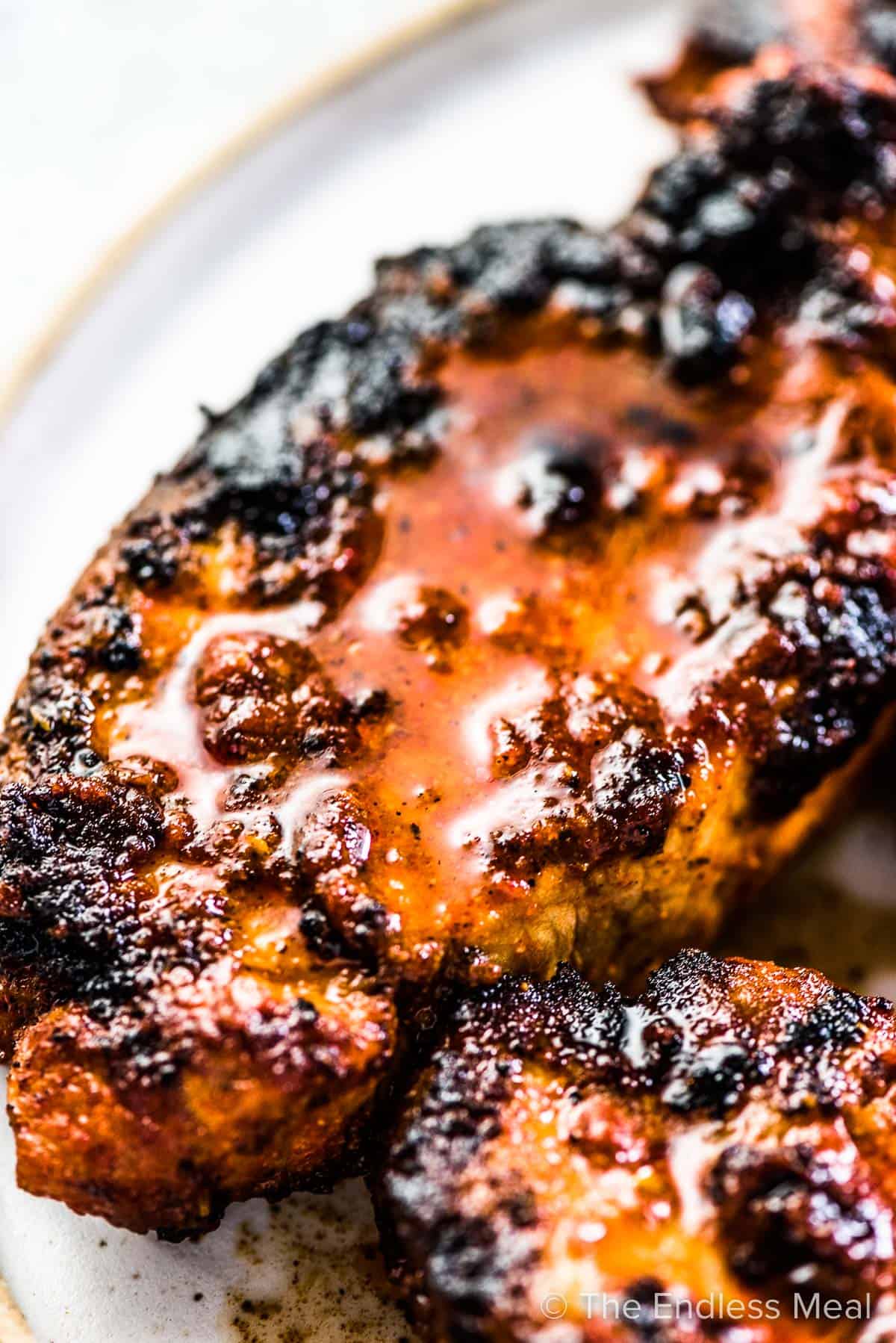
The Appeal of Juicy Grilled Pork Chops
The appeal of juicy grilled pork chops lies in their rich flavor and irresistible texture. When cooked to perfection, these chops offer a delightful balance of tenderness and a slight crispness on the outside. It’s a taste experience that leaves a lasting impression.
Another reason for their popularity is the sheer variety of ways they can be seasoned and prepared. From sweet honey glazes to spicy rubs, pork chops are incredibly versatile. This adaptability makes them a favorite for many.
Moreover, grilling adds a smoky flavor that enhances the natural taste of the pork. The grill marks also provide an appealing aesthetic, making it a feast for the eyes as well. This combination of visual and flavor appeal is hard to beat.
Enjoying juicy grilled pork chops often brings back fond memories of family barbecues and summer picnics. These moments add to the overall charm of the dish. As a result, grilled pork chops are more than just food; they’re a part of cherished traditions.
Choosing the Perfect Pork Chop
Selecting the right pork chop is crucial for achieving that juicy, mouth-watering result. Different cuts and qualities can significantly affect the final taste and texture. Here are key aspects to consider when making your choice.
Understanding Pork Chop Cuts
There are several types of pork chop cuts that you might encounter at the butcher. They include rib chops, loin chops, and shoulder chops. Each has its own unique characteristics and flavor profiles.
Rib chops are known for their tenderness and have a small amount of marbling that adds to their juiciness. They are often considered the best choice for grilling. On the other hand, loin chops are leaner but can still be juicy if cooked properly.
Shoulder chops, while flavorful, contain more fat and connective tissue. These need to be cooked longer to break down the fibers, making them less ideal for quick grilling. Knowing these differences helps you choose the right cut for your recipes.
Importance of Marbling
Marbling refers to the thin streaks of fat within the muscle of the pork chop. This fat melts during cooking, adding flavor and keeping the meat juicy. Look for pork chops with good marbling for the best results.
Remember, more marbling often equals more flavor. While some people prefer leaner cuts, the marbling can significantly enhance the taste. Choose a chop with a good balance of meat and fat.
For those seeking a healthier option, you can trim some visible fat around the edges. However, leaving a little fat can improve the overall grilling experience. It keeps the pork chop juicy and flavorful.
Selecting Fresh and Quality Pork
Freshness is a key factor when choosing pork chops. Fresh pork should have a pinkish-red color and no unpleasant odor. Always check the packaging date to ensure it’s as fresh as possible.
Quality labels can also guide you. Look for terms like “organic” or “free-range” to get pork chops from pigs raised in better conditions. These often offer better taste and texture.
Additionally, buying from reputable butchers or local farms can be a good idea. They often provide high-quality pork that is fresher than what you may find in large supermarkets.
Preparing the Pork Chops for the Grill
Before grilling, proper preparation of pork chops is essential. Start by rinsing them under cold water and patting them dry with paper towels. This ensures a clean surface and better seasoning absorption.
Next, think about marinating or seasoning. Marination can add incredible flavors, while a simple rub of salt, pepper, and herbs can also do wonders. Let the pork chops sit in the marinade for at least 30 minutes to enhance the taste.
Bringing the pork chops to room temperature before grilling is another key step. This allows for even cooking. If the meat is too cold, it can cook unevenly, leaving the center undercooked.
Lastly, consider using a brush to apply a light coat of oil. This helps prevent sticking and adds a nice sear. With these preparation steps, your pork chops will be perfectly ready for the grill.
Techniques for Grilling Pork Chops
Grilling pork chops can be an art, but with the right techniques, anyone can achieve a juicy and flavorful result. One important technique is to preheat the grill properly. This ensures that the pork chops sear immediately upon contact, locking in those essential juices.
Use direct and indirect heat when grilling. Start by searing the chops over direct heat for about 2-3 minutes on each side. Then move them to indirect heat to finish cooking. This method prevents burning while ensuring even cooking.
Monitoring internal temperature is crucial. Use a meat thermometer to check that the pork chop reaches an internal temperature of 145°F. Overcooking by even a few degrees can lead to dryness, so keep a close eye.
Flip the pork chops only once during cooking. Constant flipping can interfere with the searing process and cause uneven cooking. Letting each side cook thoroughly is key.
Resting the meat after grilling is another essential step. Let the pork chops rest for about 5 minutes before serving. This allows the juices to redistribute throughout the meat, making each bite more flavorful.
Lastly, consider basting with butter or a marinade in the final minutes of grilling. This adds extra flavor and keeps the meat moist. By following these techniques, you’ll consistently grill pork chops that are both delicious and tender.
The Science Behind Juiciness and Flavor
The secret to juicy pork chops lies in the Maillard reaction. This chemical reaction occurs when the meat's surface proteins and sugars turn brown during cooking. This process adds a rich, complex flavor to the meat that’s hard to resist.
Another important factor is moisture retention. When grilled correctly, the meat’s natural juices are preserved. This keeps the chop tender and flavorful, making each bite a delight.
Seasoning plays a crucial role in enhancing flavor. Salt not only improves taste but also helps retain moisture by breaking down muscle fibers. A well-seasoned pork chop is always more enjoyable.
- Sear over high heat to lock in juices
- Marinate or brine before grilling
- Monitor internal temperature closely
Fat is also a key player in juiciness. Marbling, those thin streaks of fat in the meat, melts during cooking. This adds both moisture and flavor, making the pork chop luscious.
Resting the meat allows the juices to redistribute. Cutting into a pork chop right off the grill can cause the juices to spill out. Allowing it to rest for a few minutes locks in the juiciness.
The Perfect Grilling Time
Grilling pork chops to perfection involves careful time management. Depending on the thickness of the chops, grilling times can vary. It's essential to get the timing right to avoid dryness.
For chops about 1 inch thick, grill over medium-high heat for roughly 4-5 minutes per side. This allows a nice crust to form while keeping the inside juicy. Thicker chops need more time, often around 6-8 minutes per side.
- 1/2 inch thick: 3-4 minutes per side
- 1 inch thick: 4-5 minutes per side
- 1.5 inches thick: 6-8 minutes per side
Use a meat thermometer to check for doneness. A reading of 145°F ensures the meat is cooked through but still juicy. Resting the meat for 5 minutes after grilling helps the juices redistribute.
Grill marks are a good indicator, but don't rely solely on them. Always double-check with a thermometer. This ensures both safety and the best flavor.
Knowing when to move from direct to indirect heat is crucial for thicker chops. Start by searing over high heat and then move to a cooler section to finish cooking. This method prevents the exterior from burning while the inside cooks thoroughly.
Troubleshooting Common Grilling Errors
Grilling pork chops can sometimes result in unexpected issues. One common problem is dry and tough meat. Overcooking is often the culprit, so always monitor your grill time and internal temperature.
If you find your pork chops sticking to the grill, it might be due to insufficient oiling. Make sure to brush the grates with oil before grilling. This creates a non-stick surface and helps achieve those perfect grill marks.
- Brush grates with oil before grilling
- Avoid moving chops too soon; let them sear
- Use proper flipping techniques
Uneven cooking is another frequent issue. To address this, use direct heat only for searing, followed by indirect heat for thorough cooking. This ensures even doneness without burning the exterior.
Inconsistent temperatures can also cause grilling errors. Fluctuations in grill temperature might affect cooking times and results. Ensure your grill maintains a steady heat throughout the process for consistent outcomes.
Prevention is key when troubleshooting these common errors. Following these tips can help create the best possible grilled pork chops every time. With practice and attention to detail, you'll overcome most grilling challenges easily.
Pairing and Presentation Ideas for Juicy Grilled Pork Chops
Pairing juicy grilled pork chops with the right sides can elevate your meal. Consider traditional options like mashed potatoes or grilled vegetables. They complement the flavors without overpowering the main dish.
For a fresher twist, try serving with a light salad. Mixed greens with a vinaigrette dressing can add a refreshing contrast to the rich pork chops. This pairing is perfect for a summer barbecue.
- Mashed potatoes
- Grilled vegetables
- Mixed greens with vinaigrette
The presentation of your pork chops is also important. Slicing the chops and arranging them neatly on a platter can make them look more appealing. Add a garnish like parsley for a pop of color.
Consider using a cutting board as your serving platter. It not only looks rustic and charming but also makes it easy for guests to help themselves. A beautiful presentation can make a simple meal feel special.
Pairing with sauces can add another layer of flavor. Think about apple chutney or a simple garlic butter sauce. These additions can make your pork chops truly memorable.
Frequently Asked Questions
Grilling pork chops to perfection often raises several questions. Here are some answers to help you achieve the best results each time.
1. How should I season my pork chops for grilling?
Seasoning your pork chops properly is essential for flavor. A simple mix of salt, pepper, and garlic powder can work wonders. Marinating the chops in olive oil, lemon juice, and herbs for at least 30 minutes adds even more depth of flavor.
Experiment with spice rubs and marinades to find your favorite combinations. Always remember to pat the pork dry before applying seasoning or marinade for better searing on the grill.
2. What temperature should I grill pork chops at?
The ideal grilling temperature for pork chops is medium-high heat. Preheat your grill to around 375°F to 400°F before placing the meat on the grates. This allows a good sear and enhances flavors through caramelization.
Avoid cooking over very high heat to prevent burning and toughening up the meat. Monitor internal temperatures closely to ensure juicy and thorough cooking without drying out.
3. How can I tell when my pork chops are done?
A meat thermometer is the most reliable tool for checking doneness. Insert it into the thickest part of the chop; it should read 145°F for safe consumption according to USDA guidelines. This ensures that your pork is cooked but not overdone.
You can also check by cutting into one chop slightly; it should be white or slightly pink inside but not raw. Remember, letting them rest afterward will continue cooking a bit more internally.
4.Can I use a gas grill instead of charcoal?
Absolutely! Gas grills offer more control over temperature, making them excellent choices for grilling pork chops evenly. You can easily maintain consistent heat levels which helps in achieving uniform cooking throughout the meat's surface.
However, if you prefer smoky flavors that only charcoal can provide, consider adding wood chips to your gas grill's smoker box or wrapping them in aluminum foil above burner flames.
5.What sides pair well with grilled pork chops?
The versatility of grilled pork means they pair well with many dishes such as roasted vegetables like asparagus or Brussels sprouts enhance meal complexity within seconds into prep time! Alternatively,potato-based side dishes such mashed potatoes complete nutrient-rich deliciousness balance towards main protein dish perfect combination after-long day work relaxation up table dinner fun invited everyone!
ConclusionGrilling juicy pork chops requires an understanding of various techniques and details. From choosing the right cut to managing grill temperatures, each step plays a crucial role. Follow these guidelines to consistently achieve flavorful and tender results.
Pairing your perfectly grilled pork chops with complementary sides will elevate the entire meal. Whether you enjoy them with classic mashed potatoes or a fresh salad, the right pairings enhance the dining experience. Enjoy the art of grilling and savor every bite!
