Whey Concentrate Vs Isolate Which Is Better?
Imagine walking into your local nutrition store, only to be faced with shelves upon shelves of whey protein options. The decision between whey concentrate and isolate can feel overwhelming. Which one truly reigns superior for your performance and health goals?
Whey concentrate, often touted for its affordability, contains about 70-80% protein by weight, with the remaining percentage primarily consisting of fats and lactose. Whey isolate, a more refined form, boasts over 90% protein, making it ideal for those sensitive to lactose or seeking more protein per serving. This distinction in composition can significantly impact both digestion and muscle recovery timelines.
Understanding Whey Concentrate
What is Whey Concentrate?
Whey concentrate is a popular type of protein powder. It is made from the liquid part of milk left over after cheese production. Whey concentrate typically contains 70-80% protein.
The remaining 20-30% consists of fats and lactose. This makes it a bit more calorie-dense compared to other whey proteins. Nonetheless, it is still a great source of protein for many people.
Nutritional Content and Benefits
Whey concentrate is rich in essential amino acids, which are crucial for muscle repair and growth. It also contains vitamins and minerals that support overall health. One key benefit is its ability to boost the immune system.
Additionally, whey concentrate can help with weight management. It enhances the feeling of fullness, reducing the chances of overeating. Incorporating it into your diet can be beneficial in multiple ways.
How Whey Concentrate is Made
The production process involves filtering milk to remove fats and sugars. The remaining liquid is then dried into a powder form. This process ensures that the final product retains most of its nutrients.
The slight presence of fats and lactose gives it a creamier texture. It is a versatile ingredient that can be added to shakes, smoothies, and even baked goods. Many people prefer it because of its mild taste and texture.
Common Uses and Consumption
Whey concentrate is commonly used by athletes and fitness enthusiasts. They often take it post-workout to speed up muscle recovery. It's also popular among those trying to increase their daily protein intake.
Its versatility extends beyond just muscle building. Many people use it in everyday cooking to boost the protein content of their meals. Whether you mix it in water or add it to recipes, it is an easy way to get more protein.
Decoding Whey Isolate
Whey isolate is another popular form of protein powder. It boasts a higher protein content compared to whey concentrate. Typically, whey isolate contains over 90% protein.
Characteristics of Whey Isolate
Whey isolate undergoes more processing to remove fats and lactose. This makes it a great option for those with lactose intolerance. Additionally, it offers fewer calories per serving.
The extra filtration process makes whey isolate purer. This results in a higher protein concentration. Most users find it easier to digest.
Although it is more expensive, many consider it a worthy investment. The reduced fats and carbs make it suitable for strict diets. Its versatility in use is similar to whey concentrate.
Health Benefits of Whey Isolate
Whey isolate can greatly aid in muscle recovery and growth. Its high amino acid content helps repair muscle tissue post-exercise. It also helps reduce muscle soreness.
The low-fat content makes it a healthier choice for those aiming to lose weight. Whey isolate supports lean muscle development. It's also a good source of essential nutrients.
Regular consumption can enhance overall health. It strengthens the immune system and boosts energy levels. Its easy digestion makes it convenient for daily use.
Comparing Whey Isolate to Whey Concentrate
Whey isolate differs from whey concentrate in several key ways. The primary difference lies in the protein content. Whey isolate is more refined.
This makes it a better choice for those needing high protein intake. However, it comes at a higher cost. Despite this, many find the benefits outweigh the price.
Both forms are effective for muscle building and recovery. The choice between them often depends on individual needs. For those on a budget, whey concentrate remains a solid option.
Comparing Whey Concentrate and Whey Isolate
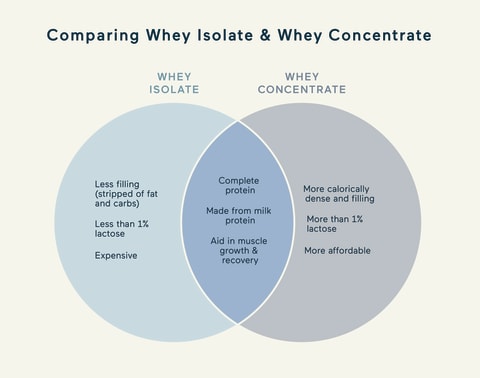
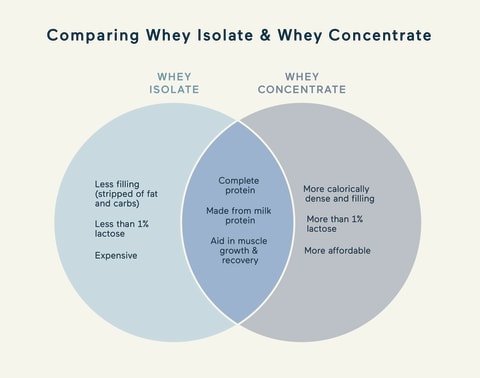
When comparing whey concentrate and whey isolate, the main difference is their protein content. Whey isolate contains over 90% protein, while whey concentrate has around 70-80%. This makes isolate a better option for those needing more protein per serving.
The extra processing of whey isolate removes more fats and lactose. This makes it suitable for those with lactose intolerance and those on low-fat diets. On the other hand, whey concentrate retains some fats and carbohydrates, which can be beneficial for those needing extra calories.
Price is another factor to consider when choosing between the two. Whey isolate is generally more expensive due to its higher protein content and additional processing. For those on a budget, whey concentrate offers a more affordable option without sacrificing too much on quality.
Both whey concentrate and isolate are effective for muscle recovery and growth. The choice between them often depends on individual dietary needs and financial considerations. Either way, both forms of whey protein are excellent choices for boosting protein intake.
The Digestion and Absorption Process for Whey Concentrate and Isolate
Both whey concentrate and whey isolate are known for their quick digestion and absorption. This makes them ideal for post-workout recovery. The body rapidly absorbs these proteins, delivering essential amino acids to muscles.
Whey isolate, being more refined, is absorbed even faster than whey concentrate. This is because it contains fewer fats and lactose. For those with lactose intolerance, whey isolate minimizes digestion issues.
On the other hand, whey concentrate takes slightly longer to digest due to its fat and carbohydrate content. This can be beneficial for individuals looking for a more gradual release of protein. However, both types are still faster to digest compared to other protein sources.
| Aspect | Whey Concentrate | Whey Isolate |
|---|---|---|
| Protein Content | 70-80% | Over 90% |
| Digestion Speed | Moderate | Fast |
| Fat Content | Higher | Lower |
| Lactose Content | Higher | Lower |
Both types of whey protein can be consumed in various forms. Some people prefer shakes, while others add it to their food. The versatility of these proteins fits different dietary preferences and needs.
Overall, the choice between whey concentrate and isolate depends on individual digestion and nutritional goals. Both offer quick protein absorption, but the exact benefits can vary. Understanding how each type works can help you make the best choice.
Whey Concentrate or Isolate for Muscle Gain
When aiming for muscle gain, protein quality and absorption speed matter a lot. Whey concentrate provides around 70-80% protein, which is sufficient for most people. However, whey isolate offers over 90% protein, making it a more efficient option for muscle building.
Both whey concentrate and isolate are rich in essential amino acids. These amino acids help repair and build muscle tissue after a workout. Whey isolate's higher protein content can accelerate this process.
For those working out intensely, quicker digestion can be beneficial. Whey isolate digests faster due to its lower fat and lactose content. This allows muscles to receive nutrients more quickly, potentially speeding up recovery time.
While whey isolate might offer more immediate benefits, whey concentrate is still a great option. It provides additional nutrients like fats and carbohydrates, which are also essential. This can offer a more balanced approach to muscle gain.
Price can be a deciding factor for many. Whey concentrate is generally more affordable, making it accessible to a broader audience. Yet, for those focused solely on muscle gain, investing in whey isolate could be more effective.
Whey Concentrate or Isolate for Weight Loss
When it comes to weight loss, both whey concentrate and isolate can be effective. Whey isolate contains fewer fats and carbohydrates. This makes it a great option for those needing to cut calories.
Whey concentrate, while higher in fats and carbs, still provides a substantial amount of protein. It can help with satiety, keeping you fuller longer. This can reduce overall calorie intake.
Whey isolate is easier on the digestive system, especially for those with lactose intolerance. Its high protein content also means you get more protein per serving. This can be beneficial for maintaining muscle mass while losing weight.
Cost is another factor to consider. Whey concentrate is generally cheaper than isolate. While it contains more calories, it still supports weight loss when used correctly.
Both forms of whey can be integrated into various diets. They can be added to shakes, smoothies, or foods to increase protein content. Ultimately, the choice depends on your specific dietary needs and budget.
Potential Side Effects and Concerns
While whey protein is generally safe, some people may experience side effects. One common issue is digestive discomfort. This can include bloating, gas, and cramps.
Lactose intolerance is another concern for some individuals. Whey concentrate contains more lactose than isolate. For those sensitive to lactose, whey isolate might be a better choice.
- Digestive issues: bloating, gas, cramps
- Lactose intolerance
- Allergic reactions
Excessive protein intake can stress the kidneys over time. This is especially true if you already have pre-existing kidney conditions. Moderation is key to avoiding potential kidney problems.
Some people could also experience allergic reactions. Milk proteins like whey can trigger allergies in certain individuals. Symptoms include itching, swelling, and in severe cases, anaphylaxis.
It's essential to choose high-quality whey products to reduce risks. Contaminated or low-grade whey can contain harmful substances like heavy metals or artificial additives. Always read labels and opt for reputable brands for safety.
Making the Right Choice for Your Health and Fitness Goals
Choosing between whey concentrate and isolate depends on your health and fitness goals. If you're looking to build muscle quickly, whey isolate might be the better choice due to its higher protein content. Conversely, whey concentrate offers more calories, which can fuel longer workouts.
For those with lactose intolerance, whey isolate is usually easier to digest. It has less lactose and fewer fats. This can prevent uncomfortable symptoms like bloating and cramps.
- Muscle gain: Whey isolate
- Lactose intolerance: Whey isolate
- Budget-friendly: Whey concentrate
Cost is another factor to consider. Whey concentrate is generally more affordable. It provides a balanced amount of protein, fats, and carbohydrates.
When aiming for weight loss, whey isolate can be more effective. Its lower calorie count and high protein percentage help maintain muscle mass. This aids in burning more calories.
Your specific dietary preferences also play a role. Some prefer the creamier texture of whey concentrate. Others might prioritize the purer taste of whey isolate.
Frequently Asked Questions
Understanding the differences between whey concentrate and isolate can help you make informed decisions. Below are some commonly asked questions that can guide your choice.
1. What is the main difference between whey concentrate and isolate?
The primary difference lies in their protein content and processing methods. Whey isolate undergoes more filtration to remove fats and lactose, resulting in over 90% protein per serving. Conversely, whey concentrate contains about 70-80% protein and retains more fats and carbohydrates.
This difference impacts digestion rates, with whey isolate being absorbed faster due to its purity. Choose isolate for higher protein needs or lactose intolerance, while concentrate offers a balanced nutrient profile beneficial for general health.
2. Is whey isolate better for people with lactose intolerance?
Yes, whey isolate is generally better suited for people with lactose intolerance. Its extensive filtration process removes most of the lactose content, making it easier on the digestive system.
This reduces symptoms like bloating and cramping often triggered by dairy products. Therefore, if you're sensitive to lactose but still need a good source of high-quality protein, whey isolate is an excellent choice.
3. Can I use both whey concentrate and isolate together?
You can certainly use both types of whey proteins together depending on your dietary needs and fitness goals. Mixing them allows you to enjoy the benefits of each type—higher protein from isolate and wholesome nutrients from concentrate.
This approach can offer a balanced intake of essential amino acids while managing your budget effectively. Many athletes combine them to maximize muscle recovery and overall nutrition.
4. How does the price compare between whey concentrate and isolate?
Whey isolate is typically more expensive than whey concentrate because it undergoes additional processing steps to increase its purity and protein content. This results in a higher cost per serving but also provides better nutritional value per gram of protein.
If you're on a budget, concentrating on buying whey might be more economical while still offering considerable health benefits. However, investing in whey isolate may be worthwhile if high protein intake is crucial for your goals.
5. Are there any potential side effects from consuming too much whey protein?
Yes, excessive consumption of any type of protein, including whey, can lead to potential side effects such as digestive issues like bloating, gas, or even kidney stress over time if not consumed mindfully.
If you experience these symptoms or have pre-existing kidney conditions, it's wise to consult a healthcare professional before continuing high doses of protein supplements regularly. Moderation always remains key when adding supplements to your diet plan.
Conclusion
Choosing between whey concentrate and isolate ultimately depends on your health and fitness goals. While whey isolate offers higher protein content and is easier to digest for those with lactose intolerance, whey concentrate provides a more balanced nutrient profile and is more budget-friendly. Both types have their unique benefits.
Understanding their differences can help you make an informed decision that aligns with your dietary needs and financial considerations. Whether you aim to build muscle, manage weight, or simply improve overall health, selecting the right type of whey protein can make a significant difference in your journey.
