What Are Shell Beans And How Do You Cook Them
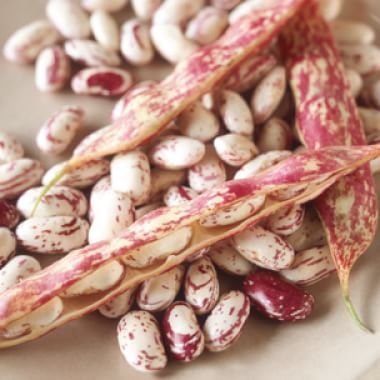
Imagine transforming a humble garden harvest into a culinary masterpiece; shell beans offer exactly that potential. These often-overlooked gems, which include varieties like lima, fava, and cranberry beans, unlock a world of flavors. Far from just a protein source, they bring a rich, creamy texture to dishes that is unparalleled.
Originating from a history deeply rooted in agriculture, shell beans have been cultivated for centuries. Cooking them starts with soaking the beans to reduce cooking time and enhance digestibility. A slow simmer with aromatics such as garlic, bay leaves, and olive oil can elevate these beans into a gourmet sensation that appeals to even the most discerning palates.
Defining Shell Beans
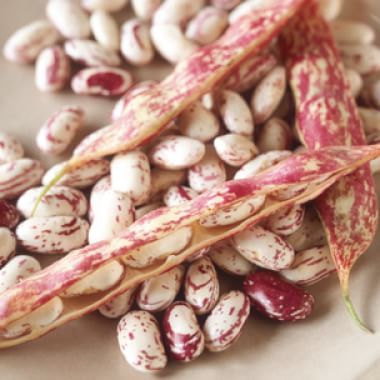
Shell beans are a variety of beans that are grown primarily for their edible seeds rather than the pods. Unlike snap beans or green beans, shell beans are harvested when the seeds are fully mature. This means the pods are often tough and inedible.
There are several types of shell beans, including lima beans, navy beans, and black-eyed peas. Each variety has its unique texture and flavor, making them suitable for different kinds of dishes. They can be eaten fresh or dried for later use.
Nutrient-rich and versatile, shell beans are a classic staple in many cuisines. They are packed with protein, fiber, and essential vitamins, making them an excellent choice for a healthy diet. Cooking shell beans is straightforward, although most require soaking before cooking.
These beans are typically used in soups, stews, and salads, adding not just nutrition but also a hearty texture. Shell beans offer a flavorful addition to many recipes. They're a wonderful ingredient to explore for both everyday and gourmet meals.
Varieties of Shell Beans
Shell beans come in many types, each with unique flavors and textures. Knowing the different kinds can help you choose the best one for your cooking needs. Let's explore some popular varieties.
Lima Beans
Lima beans, often known as butter beans, have a soft texture and a slightly sweet taste. They are commonly used in soups and stews, adding a creamy consistency. Rich in fiber, these beans are excellent for digestive health.
When buying lima beans, you might find them fresh, frozen, or dried. Fresh lima beans need to be shelled, whereas dried ones require soaking before cooking. These beans are also low in fat, making them a healthy addition to any diet.
Cooking lima beans is easy; simmer them with some garlic and olive oil for extra flavor. They pair well with a variety of herbs and spices. Their versatility makes them a favorite in many kitchens.
Cranberry Beans
Cranberry beans are known for their colorful appearance and nutty flavor. They are often used in Italian and Mexican dishes. These beans have a creamy texture that enhances soups and casseroles.
Like other shell beans, cranberry beans can be found both fresh and dried. Soaking dried cranberry beans overnight helps reduce cooking time. They are rich in protein and vitamins, making them a nutritious choice.
Cook cranberry beans with tomatoes and spices for a delicious meal. They also make a great addition to salads and pasta dishes. Their unique flavor profile is sure to impress.
Black-Eyed Peas
Black-eyed peas are well-loved for their earthy flavor and firm texture. A staple in Southern cuisine, they are often cooked with ham or bacon. They offer a good source of protein.
These beans are most commonly found dried, although you can also purchase them canned. Before cooking, soaking the dried beans can make them more tender. They cook relatively quickly, even without soaking.
Try black-eyed peas in traditional Southern dishes like Hoppin' John. They are also delicious in salads and stews. Their versatility makes them a handy bean to keep in your pantry.
Nutritional Benefits of Shell Beans
Shell beans are packed with nutrients, making them a powerhouse in your diet. They are rich in protein, which is essential for muscle growth and repair. This makes them a great meat alternative for vegetarians and vegans.
These beans are also high in fiber, which promotes digestive health. Fiber helps to keep you full longer, aiding in weight management. Additionally, it can help control blood sugar levels, making it beneficial for diabetics.
The vitamins found in shell beans are plentiful, including B-vitamins that support energy production. Many shell beans also contain essential minerals like iron, magnesium, and potassium. These minerals help maintain healthy blood pressure and bone density.
Incorporating shell beans into your meals can boost your overall health. They are low in fat and cholesterol-free, making them heart-friendly. Adding these versatile beans to your diet is both tasty and nutritious.
Preparing Shell Beans for Cooking
Before you start cooking shell beans, you need to prepare them properly. The first step is to rinse the beans under cool water to remove any dirt or debris. This ensures that they're clean and ready for the next steps.
Most dried shell beans require soaking, which helps reduce cooking time. You can use either the overnight soaking method or the quick soak method. For overnight soaking, simply place the beans in a bowl with water and leave them for 8-12 hours.
For a quicker option, bring the beans and water to a boil for about 2 minutes. Then, remove from heat and let them soak for one hour. This method speeds up the soaking process without compromising the quality of the beans.
After soaking, drain and rinse the beans thoroughly. They will have expanded and are now ready for cooking. This step helps ensure the beans are tender and cook evenly.
Fresh shell beans don’t need soaking, but they do need to be shelled. Simply remove the beans from their pods. Rinse them to remove any lingering dirt before cooking.
Once your beans are prepared, you can start cooking them as desired. They can be boiled, simmered, or even roasted. The preparation sets the stage for tasty and nutritious meals.
How to Cook Shell Beans
Cooking shell beans is straightforward once they're prepped. Start by placing the soaked beans in a large pot and cover them with fresh water. For added flavor, you can use broth instead of water.
Bring the pot to a boil, then reduce the heat to a simmer. Allow the beans to cook gently, stirring occasionally to prevent sticking. The cooking time can range from 45 minutes to 2 hours, depending on the type and freshness of the beans.
Adding aromatics can improve the flavor. Consider including ingredients such as garlic, bay leaves, and onions. These additions make the beans tastier and more aromatic.
Seasoning the beans should be done towards the end of cooking. Salt can toughen the beans if added too early. A pinch of salt and a splash of olive oil can enhance the flavor beautifully.
- Bring to a boil and simmer
- Stir occasionally
- Add aromatics like garlic and onions
- Season towards the end
Once tender, your beans are ready to be enjoyed. They can be used in various recipes, from soups to salads. Properly cooked shell beans are both nutritious and delicious.
Popular Shell Bean Recipes
Shell beans are versatile and can be incorporated into many dishes. One classic recipe is the Three-Bean Salad. This dish combines different beans with vinaigrette for a refreshing and nutritious meal.
Another popular option is a hearty shell bean stew. This dish features beans simmered with vegetables, herbs, and spices. It’s a comforting choice, especially during colder months.
Shell beans also shine in pasta dishes. Try adding them to a creamy pasta sauce with garlic and spinach. This combination is both delicious and healthful.
- Three-Bean Salad
- Shell Bean Stew
- Shell Beans in Creamy Pasta
For a more exotic taste, consider including shell beans in a curry. The beans absorb the spices well, resulting in a flavorful dish. They pair nicely with rice or naan.
Baked beans are another timeless favorite, using shell beans. Slow-cooking them with molasses and bacon creates a rich, sweet, and savory flavor. This dish is perfect for BBQs and family gatherings.
Storing Shell Beans
Proper storage of shell beans ensures they remain fresh and tasty. If you have fresh shell beans, keep them in the refrigerator in a plastic bag or airtight container. They will stay good for about a week.
Dried shell beans have a much longer shelf life. Store them in a cool, dry place away from direct sunlight. An airtight container or sealed bag works best to keep moisture and pests out.
- Fresh shell beans: Refrigerate in an airtight container
- Dried shell beans: Store in a cool, dry location
- Use airtight containers for long shelf life
You can also freeze cooked shell beans for later use. After cooking, let them cool completely, then transfer to freezer-safe bags or containers. Label with the date so you know when to use them.
Avoid storing dried beans near strong-smelling foods like onions or garlic. Beans can absorb odors easily, which may affect their flavor when cooked. Regularly check stored beans for any signs of spoilage.
When properly stored, both fresh and dried shell beans maintain their quality and nutritional value. This makes them convenient for meal planning throughout the year. Proper storage methods help reduce waste and save money.
Growing Your Own Shell Beans
Growing your own shell beans can be a rewarding experience. These beans thrive in warm climates and need plenty of sunshine. Make sure to plant them in a spot that receives at least six hours of sunlight daily.
Start by preparing the soil. Shell beans prefer well-drained, fertile soil. Adding compost or organic matter can enhance the soil's quality and improve growth.
Plant the seeds after the last frost date. Space the seeds about 1 to 2 inches apart and 1 inch deep. You'll see sprouts in about one to two weeks.
- Plant in a sunny spot
- Use well-drained, fertile soil
- Space seeds 1-2 inches apart
Water the plants regularly, keeping the soil moist but not waterlogged. Overwatering can lead to root rot. Adding a layer of mulch can help retain moisture and reduce weeds.
As the beans grow, provide support if needed. Bush varieties may not require staking, but pole beans benefit from trellises or stakes. Harvest the beans when the pods are filled out and firm.
Bean plants can continue producing throughout the season if regularly harvested. Once mature, shell the beans and enjoy cooking with your homegrown bounty. Growing shell beans is both fun and beneficial for your kitchen.
Frequently Asked Questions
Shell beans are a unique addition to your culinary repertoire. Below are some common questions and answers that provide deeper insights into their usage and characteristics.
1. What are the different types of shell beans?
The most popular types of shell beans include lima beans, navy beans, and black-eyed peas. Each type offers unique textures and flavors, making them suitable for various recipes.
Lima beans have a creamy texture, while navy beans are small and dense. Black-eyed peas have a distinct earthy flavor and are often used in Southern cuisine.
2. Why do you need to soak dried shell beans?
Soaking dried shell beans helps reduce their cooking time and makes them easier to digest. It also helps to soften the outer skin, allowing the bean to cook more evenly.
You can use the overnight soak method or quick soak method by boiling them briefly before letting them sit in hot water for an hour. Both methods work effectively to prepare the beans for cooking.
3. Can you eat fresh shell beans raw?
It's generally not recommended to eat fresh shell beans raw because they may contain harmful lectins that can cause stomach issues when not cooked properly. Cooking these beans neutralizes these toxic compounds, making them safe to eat.
Eaten raw, certain varieties can be particularly tough and hard on your digestive system. Always ensure they are fully cooked for maximum safety and enjoyment.
4. How should you store cooked shell beans?
Cooked shell beans can be stored in an airtight container in the refrigerator for up to five days. Make sure they are completely cooled before storing them to prevent condensation inside the container.
If you want to store them longer, consider freezing the cooked beans in freezer-safe bags or containers labeled with dates for easy tracking.
5. Are there any nutritional benefits specific to shell beans compared to other legumes?
Shell beans offer a high protein content comparable to other legumes but also excel in fiber content which aids digestion substantially. They are also rich sources of essential minerals such as iron, magnesium, and potassium.
Their unique combination of nutrients makes them excellent choices for health-conscious diets as well as those looking for protein-rich meat alternatives without compromising on flavor or nutrition value.
'Conclusion
Shell beans are not only nutritious but also incredibly versatile in the kitchen. Whether you prefer the creamy texture of lima beans or the earthy flavor of black-eyed peas, there's a variety to suit everyone's taste. Their nutritional benefits make them an excellent addition to any balanced diet.
By understanding how to prepare and cook shell beans, you can transform these humble legumes into delicious meals. From soups and stews to salads and pasta dishes, shell beans offer endless culinary possibilities. Incorporate them into your cooking to elevate both the flavor and nutritional value of your meals.
