How To Choose The Best Apples For Baking Pies Crisps And Crumbles?
Have you ever wondered why some apple pies are perfectly gooey while others turn out mushy? The secret lies in choosing the right apples, a skill that pie-making enthusiasts have honed over generations. Selecting the best apples can elevate your baking, transforming simple ingredients into mouthwatering delights.
A key aspect to consider is the apple's firmness and flavor. Varieties like Granny Smith, known for their tartness and crisp texture, are favorites for baking. Surprisingly, statistics show that mixing different types, like Honeycrisp and Braeburn, can actually enhance the overall taste and consistency of your pie, crisp, or crumble.
- Identify the dessert and desired texture: pies need firm apples, while crumbles can use softer apples.
- Opt for a flavor balance: mix tart varieties like Granny Smith with sweeter ones like Honeycrisp.
- Consider moisture content: juicier apples might require thickening agents to avoid a watery filling.
- Check freshness: choose firm, blemish-free apples for the best results.
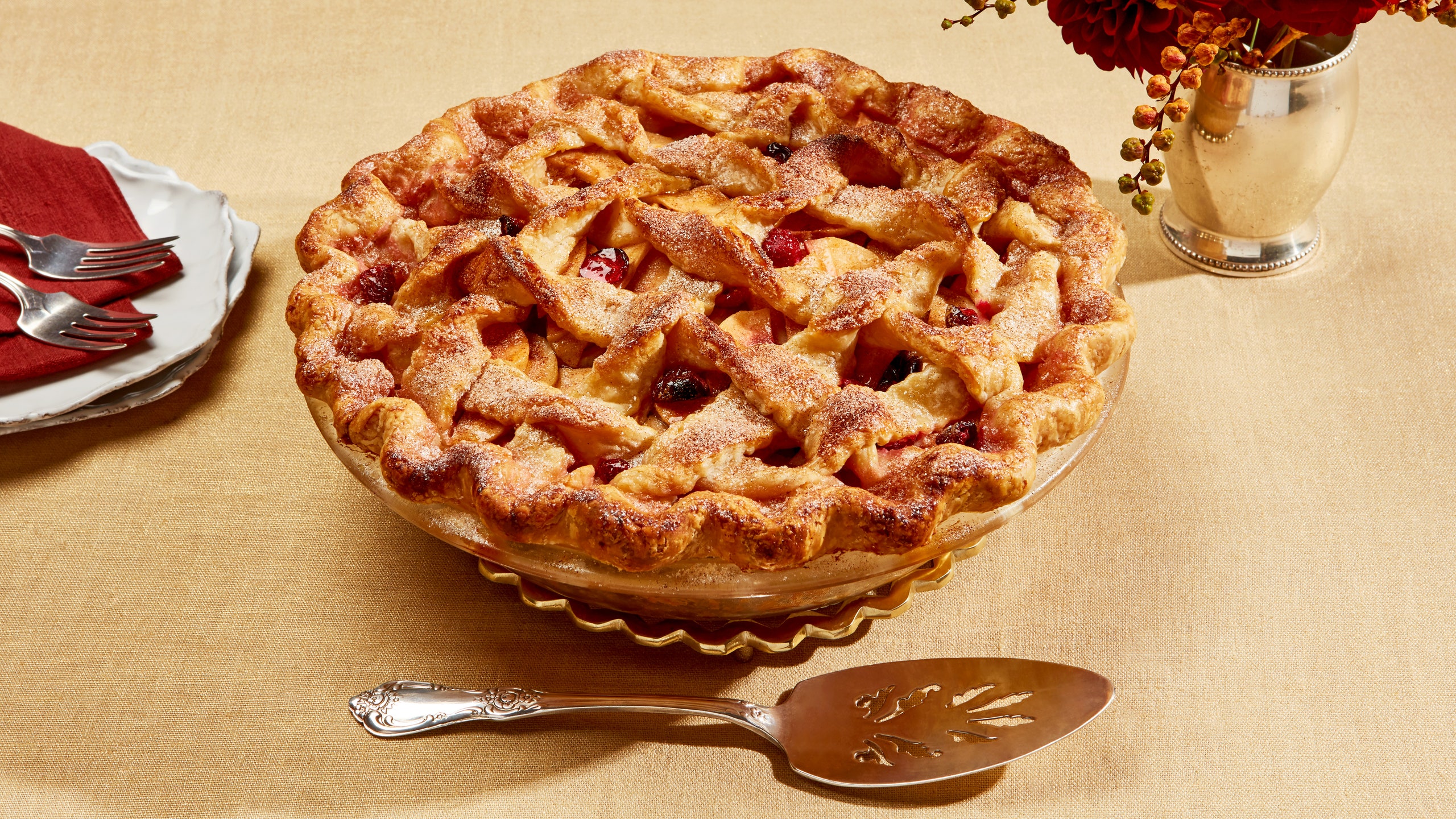
Assessing Your Baking Needs
When deciding on apples for baking, think about the dessert you are making. Some apples work better in pies, while others are ideal for crisps and crumbles. **Choosing the right type of apple can make a huge difference in your recipe's success.**
Firm apples hold their shape during baking, which is perfect for pies. Soft apples, on the other hand, create a delightful mushy texture that's great for crumbles. Consider the apple's firmness based on your desired outcome.
The flavor profile of the apple is crucial too. **Tart apples like Granny Smith create a balanced taste** when combined with sugar and spices. However, sweeter varieties like Fuji can add natural sweetness without needing extra sugar.
Keep in mind the level of moisture in your chosen apples. **Varieties like Honeycrisp are juicier, which can affect the filling's consistency.** Adjust your recipe slightly when working with such apples to avoid a watery result.
The Flavour Profile of an Apple
The flavor profile of an apple greatly impacts how your dessert will turn out. Different apples have varying levels of sweetness, tartness, and juiciness. **Understanding these traits helps in choosing the right apple for your baking needs.**
Sweetness
Sweet apples like Honeycrisp or Fuji add natural sweetness to your recipes. This means you can use less added sugar, providing a healthier alternative. **These apples are perfect for those who prefer a naturally sweet dessert.**
Sweet apples also caramelize well when baked, adding a rich flavor. They are ideal for desserts that require a pronounced sweetness. However, they may not create the balance of flavors needed in a traditional pie.
Tartness
Tart apples, such as Granny Smith, offer a sharp contrast to the sweetness in desserts. **They bring a bright, tangy flavor** that complements rich, sweet fillings. This tartness can cut through the heaviness, making the dessert more enjoyable.
Using tart apples often means you’ll add more sugar to counterbalance the sharpness. Yet, this leads to a well-rounded flavor profile. Tart apples are particularly good in recipes that have a lot of sugary elements.
Juiciness
Juiciness affects the texture and consistency of your dessert. Juicy apples, like Golden Delicious, release more liquid during baking. **This can make fillings runny if not adjusted properly.**
Choose firm and less juicy apples for crisp and crumble toppings to prevent sogginess. Balance juicy apples with thickening agents like cornstarch or flour. This way, your dessert will have the perfect texture and consistency.
Best Apple Varieties for Baking
When it comes to baking, some apple varieties stand out. **Granny Smith apples are a popular choice**, known for their tart flavor and firm texture. They hold up well under heat, making them ideal for pies and tarts.
Honeycrisp apples are another favorite. They are sweet, crunchy, and retain their shape during baking. This variety adds a delightful, balanced flavor to crisps and crumbles.
Braeburn apples offer a mix of sweetness and tartness. Their dense texture holds up well in the oven. **Braeburns are excellent for recipes that need an apple with a balanced flavor.**
Empire apples are worth trying too. They have a sweet-tart flavor and a firm texture that withstands baking. These apples are great for adding complexity to your baked desserts.
How to Mix and Match Apples in Baking
Combining different apple varieties can elevate your baked desserts. **Mixing sweet and tart apples creates a balanced flavor profile.** This blend can enhance the depth and complexity of your dish.
Consider combining firm apples with softer varieties. **Firm apples like Granny Smith retain their shape** while softer apples like Golden Delicious break down, providing a unique texture contrast. This mix ensures a delightful mouthfeel in every bite.
Using a variety of apples can also moderate moisture levels. Juicy apples like Honeycrisp can be balanced with less juicy ones like Braeburn. **This helps in managing the consistency of your pie or crisp.**
Experiment with regional or seasonal apple varieties for a unique twist. **Local farmers' markets often have interesting options** that can add a special touch to your dessert. This approach allows you to discover new favorite combinations.
Adjust your recipe when mixing apples. You might need to tweak the amount of sugar, spices, or thickening agents. **Each variety brings its own characteristics**, so minor adjustments can perfect your final product.
Here are some suggested combinations:
- Granny Smith and Honeycrisp for a balanced tart and sweet flavor
- Braeburn and Fuji for a mix of firm and juicy textures
- Empire and Golden Delicious for a unique sweet-tart profile
Storing and Preparing Apples for Baking
Proper storage is key to maintaining apple freshness. **Store apples in a cool, dark place**, such as a refrigerator or a cellar. This helps prevent them from becoming overripe quickly.
When storing apples, keep them away from strong-smelling foods. **Apples can absorb odors**, which might affect their taste. Placing them in a plastic bag with holes can also help preserve their crispness.
Preparation begins with peeling, coring, and slicing the apples. Use a sharp knife or an apple slicer for uniform pieces. **Peeling is especially important** if you’re using store-bought apples, as the skin can sometimes be tough.
Add lemon juice to prevent browning. **This keeps your apples looking fresh** until you’re ready to use them. Simply toss the slices in a bowl with a bit of lemon juice.
Consider pre-cooking the apples for some recipes. This step helps in achieving the desired texture and ensures even cooking. **Pre-cooking also allows you to season the apples early**, enhancing the flavors in your final dish.
Here's a quick prep checklist:
- Peel, core, and slice the apples
- Add lemon juice to prevent browning
- Pre-cook if needed for your recipe
- Store in a cool, dark place until use
How to Adjust Your Recipe Based on Apple Choice
Different apple varieties can affect your recipe in various ways. Tweak ingredients to match the apple's sweetness or tartness. **This will help you achieve the perfect balance of flavors in your dessert.**
If you're using tart apples like Granny Smith, consider adding more sugar. **A little extra sweetness neutralizes the tartness**, making for a well-rounded bite. On the other hand, reduce sugar for naturally sweet apples like Fuji.
Adjust spices based on the flavor profile of your apples. **Tart apples pair well with stronger spices** like cinnamon and nutmeg. Sweet apples typically need lighter spices to let their natural flavor shine through.
Consider the moisture level of your apples. Juicy apples may require an extra thickening agent like cornstarch or flour. **This ensures your filling isn’t too runny or soupy**.
Baking times can also vary. **Tender apples cook faster**, so reduce the baking time slightly. Firmer apples like Braeburn might need longer to soften.
Here's a quick guide to adjusting your recipe:
- Increase sugar for tart apples; decrease for sweet apples
- Add or reduce spices based on apple type
- Use thickening agents for juicy apples
- Adjust baking times based on apple firmness
Testing and Experimenting with Different Apples
Experimenting with different apple varieties can be both fun and rewarding. **Try using a mix of locally sourced apples** and more common supermarket varieties. This approach can broaden your flavor palette.
Start by baking small test batches to determine which combinations work best. **This allows you to assess how different apples affect texture and taste** without wasting large amounts of ingredients. Keep notes on each trial for future reference.
If you’re new to experimenting, begin with well-known varieties like Granny Smith or Honeycrisp. Once confident, try regional favorites such as Northern Spy or Winesap. **Venturing into lesser-known varieties can lead to delightful surprises.**
Conduct blind taste tests with friends or family members. Their feedback can offer valuable insights into which apples are crowd-pleasers. You might discover unexpected favorites this way.
Create a comparison table to track the characteristics of each apple variety:
| Apple Variety | Taste | Texture | Baking Results |
|---|---|---|---|
| Granny Smith | Tart | Firm | Holds shape well |
| Honeycrisp | Sweet-Tart | Crispy | Keeps texture; adds moisture |
