Increasing Awareness Of Celiac Disease
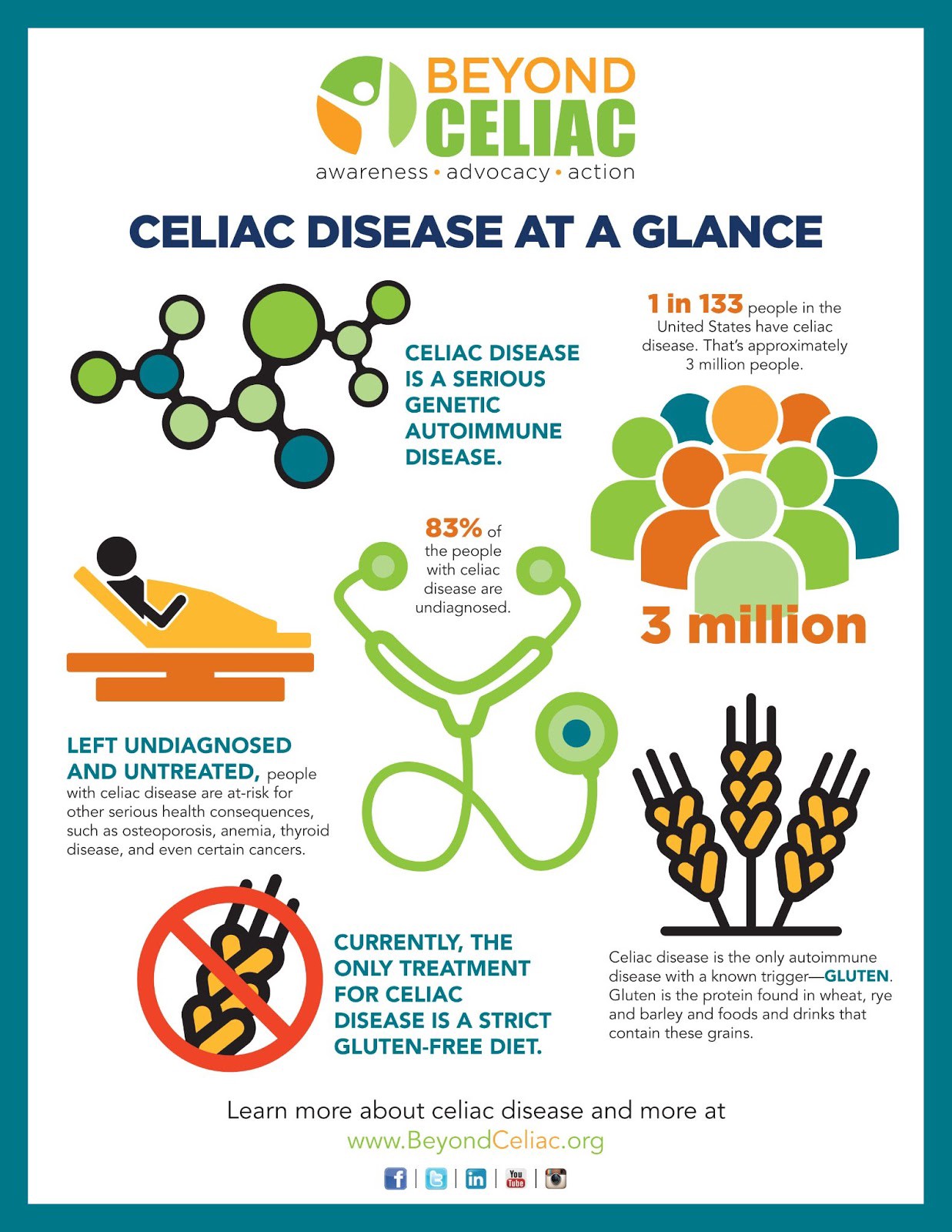
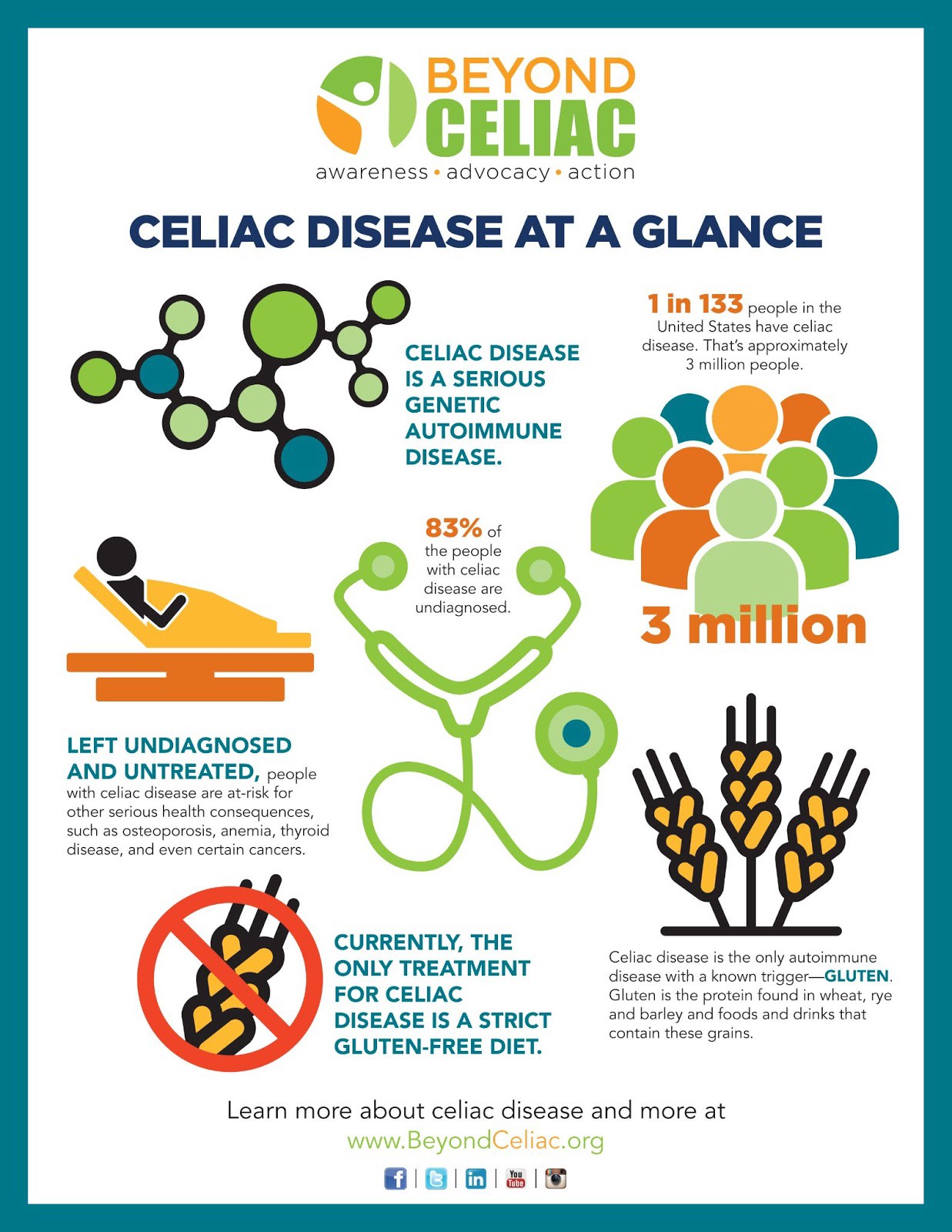
Imagine living undiagnosed for years, unaware that a simple bite of bread could wreak havoc on your digestive system. Celiac disease affects approximately 1% of the global population, yet many remain undiagnosed. This highlights a crucial need for increased awareness and education.
The history of celiac disease dates back to ancient Greece, but it was only in the mid-20th century that its connection to gluten was identified. Despite this longstanding knowledge, many still underestimate the condition's prevalence and impact. According to recent research, better awareness can lead to timely diagnoses and significantly improve patients' quality of life.
Unveiling Celiac Disease: An Overview
Celiac disease is a serious autoimmune disorder that affects the small intestine. When someone with celiac disease consumes gluten, their body's immune system attacks the lining of the small intestine. This can lead to various health issues and nutrient deficiencies.
Gluten is a protein found in wheat, barley, and rye. People with celiac disease must avoid eating foods containing these grains. They also need to be cautious about cross-contamination, where gluten gets mixed with non-gluten foods.
The prevalence of celiac disease varies globally, but it is estimated that about 1% of the population is affected. This might seem small, but it means millions of people worldwide live with this condition. Early diagnosis and treatment are crucial for managing the disease and preventing long-term damage.
Diagnosing celiac disease typically involves blood tests and sometimes a biopsy of the small intestine. If you suspect you have celiac disease, it's important to see a doctor for proper testing. Once diagnosed, a strict gluten-free diet is the primary treatment, helping individuals manage symptoms and lead healthier lives.
Breaking Down the Myths and Realities of Celiac Disease
Celiac disease is often misunderstood, leading to several myths. These myths can cause confusion and delay diagnosis. It’s important to separate fact from fiction to effectively manage the condition.
Myth 1: Celiac Disease is Just a Food Allergy
One common myth is that celiac disease is merely a food allergy. In reality, it is an autoimmune disorder. This means the immune system attacks the body when gluten is ingested.
Unlike food allergies, which can trigger immediate reactions, celiac disease can cause long-term damage. If left untreated, it can lead to serious health issues. Therefore, understanding this distinction is crucial.
A food allergy generally results in hives or swelling within minutes. Meanwhile, celiac disease symptoms can take days or even weeks to appear. This makes it harder to diagnose without proper testing.
Myth 2: Only Children Get Celiac Disease
Another myth is that celiac disease only affects children. However, celiac disease can develop at any age. Both children and adults are equally susceptible.
Many adults are diagnosed later in life due to undiagnosed symptoms in childhood. The idea that it's a childhood disease can prevent adults from seeking a diagnosis. Recognizing that it affects all ages helps in timely detection.
Adults might dismiss their symptoms thinking it's related to aging or other conditions. This oversight can delay diagnosis and treatment. Consistent awareness and education can help remedy this misunderstanding.
Myth 3: A Small Amount of Gluten Won’t Hurt
Some people believe that consuming small amounts of gluten is harmless for those with celiac disease. This is not true. Even tiny amounts can cause intestinal damage and symptoms.
Even a crumb of bread containing gluten can trigger an autoimmune response. Therefore, it’s vital to strictly avoid gluten. This includes being cautious of cross-contamination.
This myth can lead to careless dietary habits. Following a strict gluten-free diet is key for managing celiac disease effectively. Consistent vigilance is necessary for long-term health.
Spotting the Symptoms of Celiac Disease
The symptoms of celiac disease can vary greatly from person to person. Some common signs include digestive issues like bloating, diarrhea, and stomach pain. However, not everyone experiences these symptoms.
Non-digestive symptoms can also occur, making it trickier to diagnose. These can include anemia, joint pain, and headaches. In children, signs may also include delayed growth and behavioral issues.
Another tricky aspect is that symptoms can mimic other conditions. This is why a proper diagnosis is essential. Ignoring the symptoms can lead to severe complications over time.
If you experience any of these signs, it's wise to consult a healthcare provider. Early detection can lead to better management of the disease. Tests like blood tests and biopsies can confirm the diagnosis.
Diagnosing Celiac Disease: The Process Explained
Diagnosing celiac disease involves several steps. The process usually begins with blood tests. These tests look for certain antibodies that indicate an immune response to gluten.
If blood tests suggest celiac disease, the next step is often a biopsy. During a biopsy, a small sample of tissue from the small intestine is taken. This helps confirm the diagnosis.
Genetic testing can also be useful. It can identify specific genes associated with celiac disease. However, having these genes does not mean you will definitely develop the condition.
Doctors may also consider your symptoms and medical history. They might ask if you have other autoimmune disorders. This comprehensive approach ensures an accurate diagnosis.
It’s important to keep eating gluten until all tests are done. Stopping gluten beforehand can lead to inaccurate results. If you suspect celiac disease, consult a healthcare provider for proper guidance.
Living with Celiac Disease: The Impact on Everyday Life
Living with celiac disease requires constant vigilance. It’s more than just avoiding bread; gluten can be hidden in many foods. Reading labels becomes a daily necessity.
Cross-contamination is a major concern. Even a tiny amount of gluten can cause symptoms.
- Using separate utensils
- Cleaning cooking surfaces thoroughly
- Avoiding shared frying oils
Eating out can be challenging too. You have to trust that restaurant staff understand your needs. Asking detailed questions about food preparation is common for safety.
Social situations may also involve careful planning. Bringing your own gluten-free snacks to parties can help you stay safe. Educating friends and family about your dietary restrictions is crucial for support.
The emotional impact should not be underestimated. Constantly monitoring your food can be exhausting. However, the benefits of avoiding gluten make it worth the effort.
Addressing Celiac Disease: Treatment and Management
The primary treatment for celiac disease is a strict gluten-free diet. This means avoiding foods made with wheat, barley, and rye. Reading food labels carefully is a crucial part of this process.
Cross-contamination must be avoided to stay safe. Separate cooking utensils and thorough cleaning are necessary steps. This ensures no traces of gluten accidentally mix with your food.
It’s common to see a dietitian after diagnosis. They can help design a balanced, gluten-free diet. This ensures you get all the essential nutrients.
Sometimes, nutritional supplements are needed. Because of damage to the small intestine, vitamin deficiencies might occur. Supplements can help restore levels of iron, calcium, and other vital nutrients.
Regular follow-up appointments with your doctor are important. These visits monitor your health and ensure your small intestine is healing. Blood tests might be needed to check for continued gluten exposure.
Boosting Awareness: The Role of Individuals and Communities
Individuals play a crucial role in raising awareness about celiac disease. Sharing personal stories can significantly impact understanding. Social media platforms are an excellent way to reach many people quickly.
Education is key for both those with celiac disease and the general public. Schools, workplaces, and community centers can organize informative sessions. These can cover topics like spotting symptoms and following a gluten-free diet.
Communities can support local events focused on celiac disease awareness. Activities could include charity walks or informational booths at health fairs.
- Workshops on label reading
- Cooking classes for gluten-free meals
- Support groups for newly diagnosed individuals
Restaurants and businesses also have a part to play. Offering gluten-free options on menus can make dining out safer and more enjoyable. Training staff about cross-contamination risks helps ensure the safety of guests with celiac disease.
Nurturing a supportive environment requires participation from everyone. Simple acts like informing others about the seriousness of the condition make a big difference. Together, we can create an inclusive world for those living with celiac disease.
Intensifying Research Efforts for Celiac Disease
Research is crucial in advancing our understanding of celiac disease. Scientists are exploring the genetic factors that contribute to the condition. Identifying these genes can help in early diagnosis and targeted treatments.
One exciting area of research is developing new therapies. Besides the gluten-free diet, scientists are looking into medications that can block the harmful effects of gluten. These medications could revolutionize how we manage celiac disease.
Clinical trials are essential for testing new treatments. Joining a clinical trial not only helps you but also advances medical knowledge. Patients participating in these trials provide invaluable data.
Funding is another critical aspect. Organizations can support research by providing grants and resources. Increased financial backing allows for more comprehensive studies and faster breakthroughs.
Collaboration among researchers, healthcare providers, and patients accelerates progress. Sharing findings and data globally makes it easier to develop effective treatments. Together, we can make a significant impact on the lives of those with celiac disease.
Frequently Asked Questions
Understanding celiac disease is essential for both those affected and the general public. These questions aim to clarify common concerns about this autoimmune disorder.
1. What exactly is celiac disease?
Celiac disease is an autoimmune disorder triggered by consuming gluten, a protein found in wheat, barley, and rye. When people with celiac disease eat gluten, their immune system attacks the small intestine. This leads to nutrient malabsorption and various health issues.
This condition can cause symptoms like stomach pain, diarrhea, and even non-digestive problems like fatigue or joint pain. Early diagnosis and management are crucial for maintaining good health.
2. How is celiac disease different from a wheat allergy?
A wheat allergy involves an allergic reaction to proteins found in wheat, leading to immediate symptoms such as hives or breathing difficulties. Celiac disease, on the other hand, is an autoimmune response to gluten that damages the small intestine over time.
This means that while a wheat allergy affects only certain wheat-containing foods, celiac disease requires total avoidance of gluten from all sources including barley and rye.
3. Can someone develop celiac disease later in life?
Yes, it’s possible for celiac disease to develop at any age. While it often appears in childhood or early adulthood, many people are diagnosed later in life due to previously undiagnosed symptoms.
Lifestyle changes or infections can sometimes trigger the onset of symptoms in individuals predisposed to the condition. Proper testing and diagnosis are important regardless of age.
4. Are there any medications available for managing celiac disease?
The primary treatment for celiac disease remains a strict gluten-free diet. However, research is ongoing into medications that might help manage the condition more easily.
Some drugs being studied aim to block gluten’s harmful effects or support gut healing post-exposure but they aren't widely available yet.
5. How can families support loved ones with celiac disease?
Families can provide immense support by helping maintain a safe eating environment at home. Ensuring all meals are completely free of gluten reduces stress for someone with celiac disease.
A good way to do this includes using separate cooking utensils when preparing food and understanding cross-contamination risks. Educating themselves about label-reading helps everyone make safer food choices together.
Conclusion
Increasing awareness of celiac disease is crucial for timely diagnosis and effective management. With proper education and community support, individuals can lead healthier lives free from gluten's harmful effects. The role of research cannot be overstated in advancing treatment options.
By working together, healthcare providers, patients, and communities can create a more informed and supportive environment. Continued efforts in education and advocacy will pave the way for better understanding and management of celiac disease. Every step taken towards awareness helps improve the quality of life for those affected.
